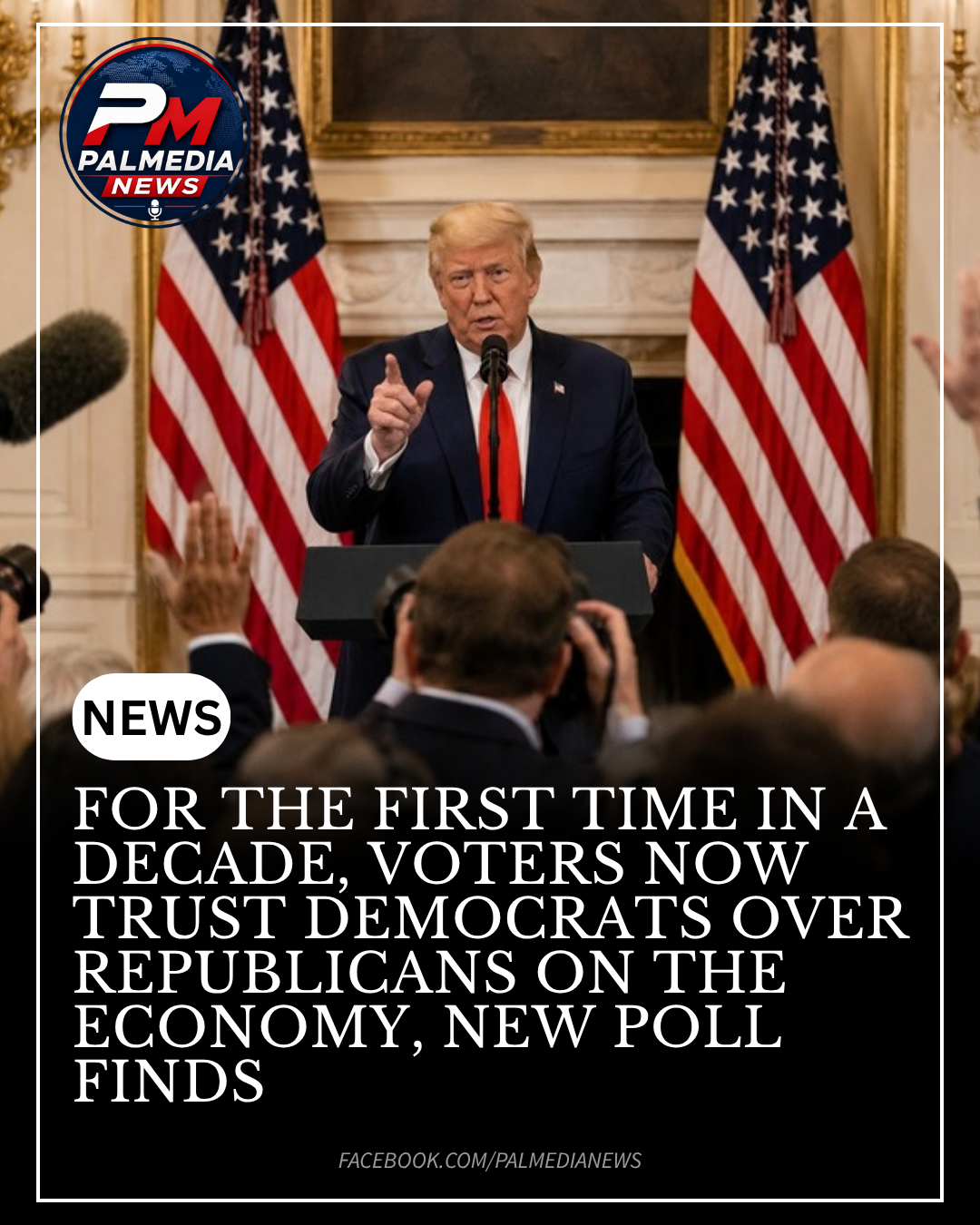
For the first time in roughly a decade, American voters say they trust Democrats over Republicans to handle the economy, according to a new Reuters/Ipsos poll. The finding upends one of the most durable dynamics in modern American politics and signals a potential turning point heading into a critical election stretch.
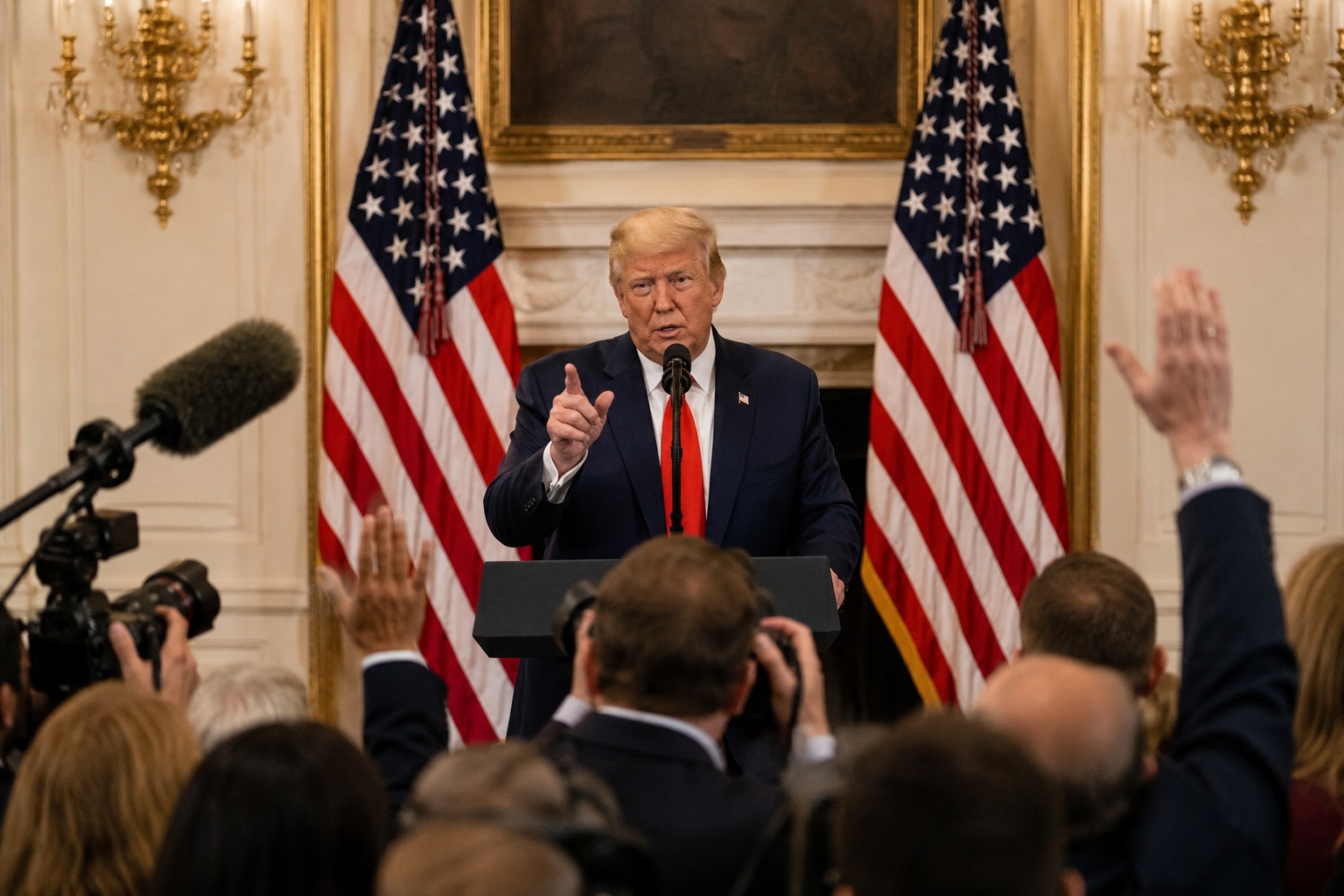
A Decade-Long Advantage Erased
For years, the economy was the Republican Party’s strongest card. In poll after poll, voters said they trusted the GOP more than Democrats to manage jobs, taxes, inflation, and growth. That edge held through multiple election cycles and often anchored Republican campaign messaging.
The latest Reuters/Ipsos survey shows that advantage has evaporated. Democrats have pulled ahead on the question of which party is better equipped to steer the nation’s finances — a reversal that few political strategists saw coming and one that carries real weight given how central the economy is to voters’ decisions.
Why the Shift Matters
The economy consistently ranks as the number one concern for most Americans. From grocery bills and rent to interest rates and the price of a used car, pocketbook issues shape how people feel about the direction of the country — and how they vote. When the party voters trust on the economy changes, the political ground can move with it.
That makes this poll more than a single data point. Control of Congress and the outcome of future elections often hinge on which side owns the economic argument. A durable swing on this measure could reshape the map of competitive races and force both parties to rethink their messaging.
Trump and Republicans Defend Their Record
The numbers arrive as President Donald Trump and congressional Republicans defend their economic record amid ongoing debates over tariffs, inflation, and the rising cost of living. Republicans argue their policies are laying the groundwork for long-term growth and point to areas where they say the economy remains strong.
Democrats, meanwhile, have seized on the polling as evidence that their message is finally breaking through. Party officials contend that voters are responding to concerns about affordability and are increasingly skeptical of Republican economic stewardship. Both sides now face the challenge of turning perception into votes.
What This Means for Americans
For everyday Americans, the shift is a reminder that economic sentiment is fluid and closely tied to daily life. When prices climb or paychecks stretch thin, trust in the party in power can erode quickly. Whichever side convinces voters it has a credible plan to ease the cost of living will hold a powerful advantage heading into the next round of elections.
Whether this lead holds or proves temporary remains the open question. Polls capture a moment, not a guarantee. But for a party that has long trailed on the economy, even a brief advantage is a significant development — and a sign that the political debate over who can best manage the nation’s finances is far from settled.
Stay informed on the stories that matter most. Follow Palmedia News on Facebook and bookmark palmedianews.com for breaking news and analysis.