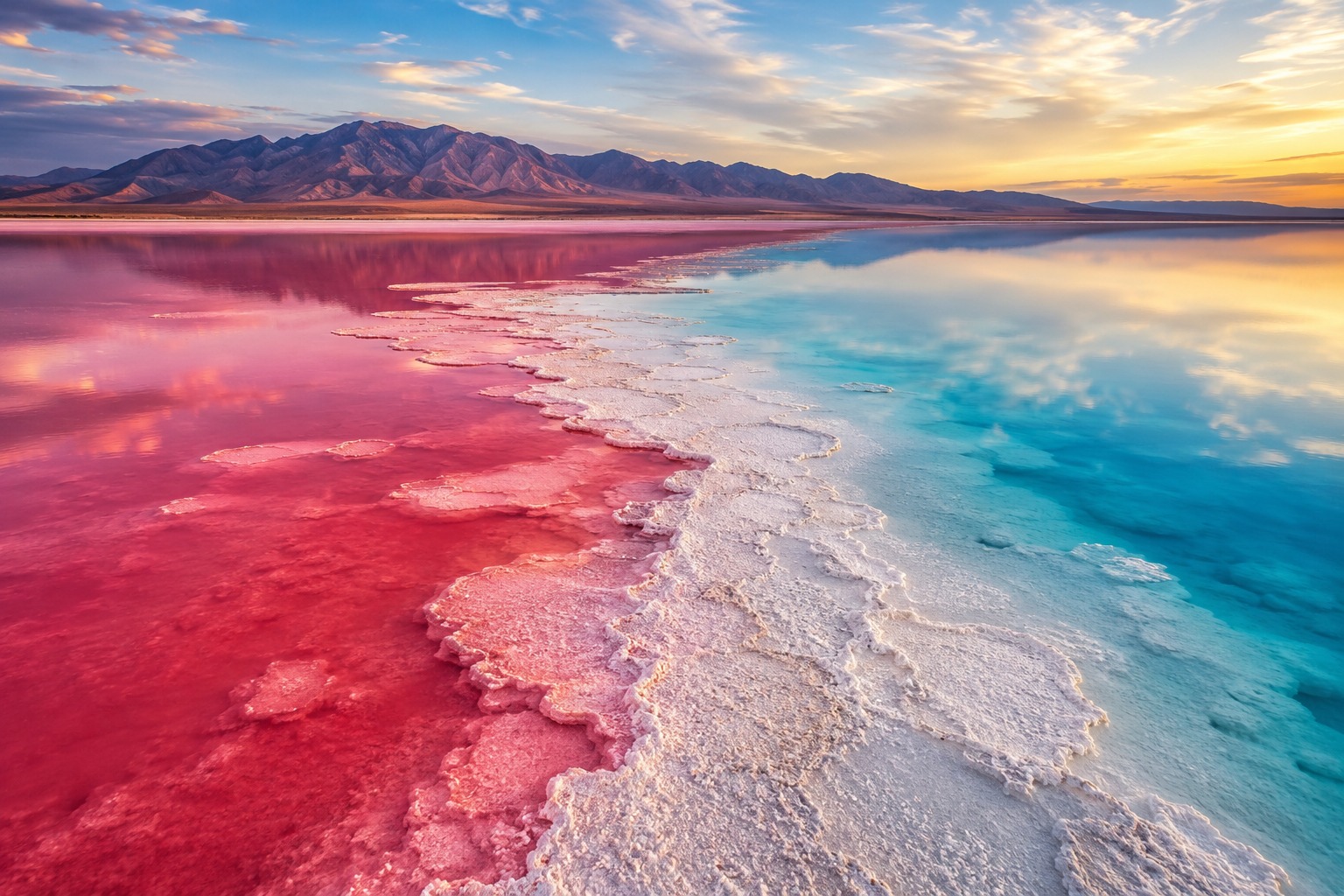
Hundreds of Utah residents climbed the steps of the State Capitol in Salt Lake City with one message for their leaders: stop the Stratos Project before it reaches the Great Salt Lake. The proposed data center campus would cover roughly 40,000 acres in Box Elder County, along the lake’s north shore, and if fully built would rank among the largest facilities of its kind anywhere on Earth.
A Shrinking Lake at the Center of the Fight
The Great Salt Lake has been losing water for years. Drought, upstream water diversions, and a warming climate have pushed lake levels toward historic lows, exposing a vast lakebed that can send toxic, dust-laden air across the densely populated Wasatch Front. For Utahns who have watched the lake retreat season after season, the idea of a sprawling new industrial development drawing from its watershed struck a nerve.
That is the backdrop against which the Stratos Project landed. Data centers are enormous consumers of both electricity and water, with much of the water used to keep racks of servers from overheating. In a basin that residents say is already stretched to its limit, the prospect of a 40,000-acre campus tapping local supplies turned a routine zoning question into a statewide flashpoint.
The Backlash Builds
The project is backed by celebrity investor Kevin O’Leary, widely known from the television show “Shark Tank.” After Box Elder County commissioners cleared the way for the development to move forward, opposition mobilized quickly — and at a scale that surprised even longtime observers of Utah politics.
Nearly 4,000 residents filed formal protests with the Utah Division of Water Rights, challenging the project’s application to draw from a direct tributary of the Great Salt Lake. Their objections stacked up fast: a lake already shrinking under prolonged drought, toxic dust blowing off the exposed lakebed, rising energy costs, and an approval process that critics described as rushed and closed off from public input. On May 7, the water rights application was withdrawn.
The demonstration at the Capitol followed that withdrawal, with speakers warning that the campus could worsen air quality, increase greenhouse gas emissions, and deepen the state’s water troubles. Banners and chants centered on a single theme — protect the water, the air, and the land before any of it is committed to a project this large.
Developers Push Back
The project’s backers reject the idea that it would drain the lake. They say the facility would rely on a closed-loop cooling system, recirculating the same water rather than continuously pulling fresh supplies from a stressed basin. In their telling, the development would bring jobs, investment, and infrastructure to a rural part of the state without the environmental toll opponents fear.
Opponents are unconvinced. They argue that the Great Salt Lake Basin does not have a single extra drop to give, closed loop or not, and that any large new industrial user adds pressure to a system already in decline. The dispute has become a test case for how fast-growing demand for computing power collides with the limits of local natural resources.
The State Responds
Governor Spencer Cox has since issued an executive order directing state agencies to apply a “higher bar” when weighing data center proposals. He said the move was a response to public feedback and that community input “absolutely matters,” even as he stopped short of agreeing that the Stratos project would harm the lake. The order signals that the wave of protests has already reshaped how Utah evaluates these projects.
What This Means for Americans
The fight in Utah is a preview of a debate spreading across the country. As artificial intelligence and cloud computing drive demand for ever-larger data centers, communities everywhere are being asked to weigh the promise of jobs and tax revenue against strain on local water, power, and air. For residents near the Great Salt Lake, the stakes are immediate — the resource in question is one they can watch shrinking from their own backyards.
Stay informed on the stories that matter most. Follow Palmedia News on Facebook and bookmark palmedianews.com for breaking news and analysis.