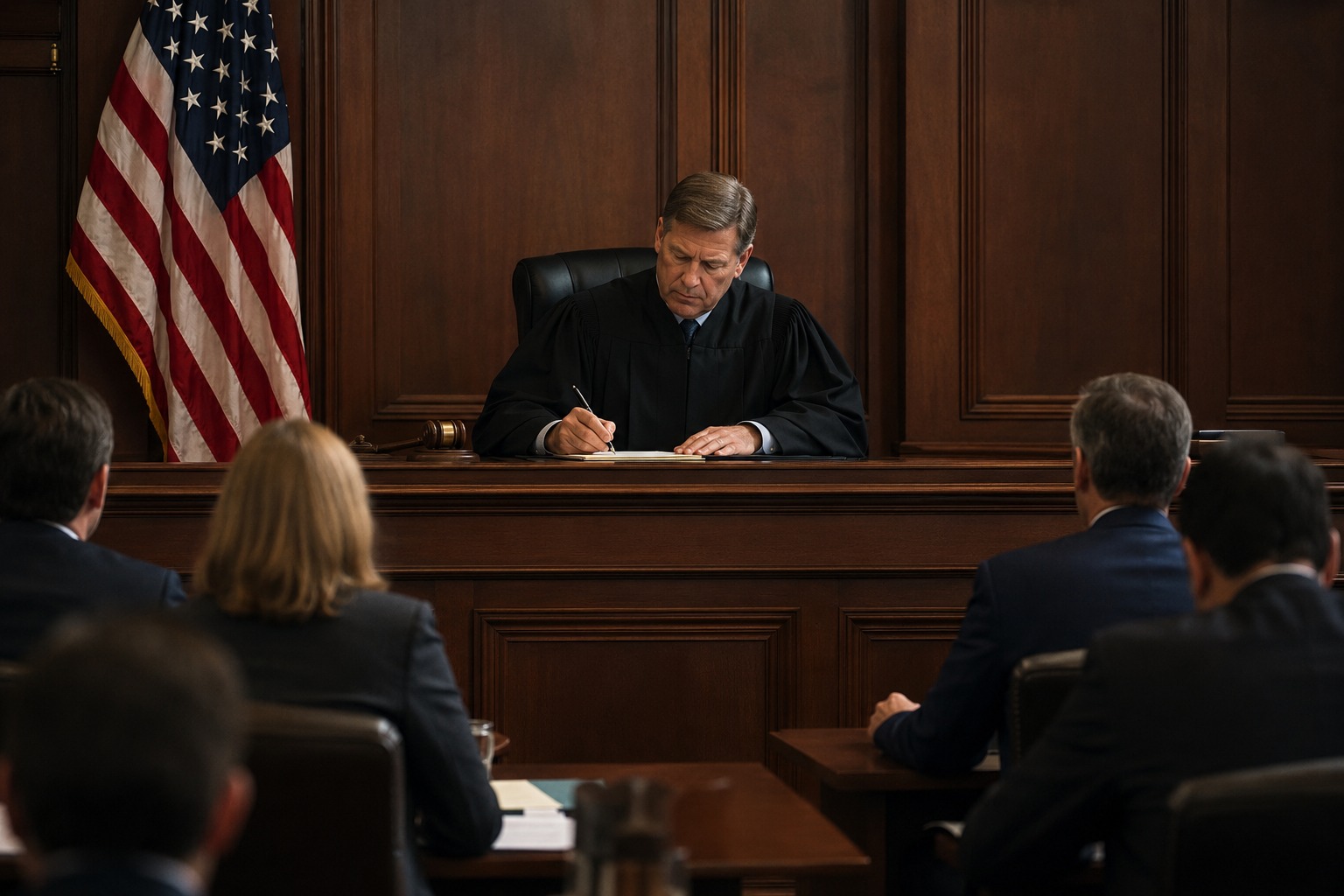
A federal judge has temporarily blocked the U.S. Department of Agriculture from cutting off food assistance to tens of millions of Americans, halting an effort to tie federal nutrition dollars to a list of political conditions that have nothing to do with feeding people.
On June 5, U.S. District Judge Myong Joun granted a preliminary injunction sought by a coalition of 20 states and the District of Columbia. The ruling pauses the USDA’s so-called “2026 Conditions” while the underlying lawsuit plays out — a significant early win for the states and for the roughly 39 million Americans who rely on the Supplemental Nutrition Assistance Program, or SNAP, to put groceries on the table.
Why This Case Matters
SNAP is the largest anti-hunger program in the country, helping about one in nine Americans buy food each month. The benefits flow from the federal government to the states, which actually run the program and distribute the assistance to families. That partnership has functioned for decades with the basic understanding that the money is meant for one thing: helping low-income people afford groceries.
The dispute centers on whether Washington can attach unrelated policy strings to that funding. The states argue it cannot — and that the attempt to do so threatened to disrupt food aid for millions of households if the conditions were not met.
What the Lawsuit Claims
The coalition filed suit in March, accusing the Agriculture Department of erecting what it called “unconstitutional and unlawful roadblocks” between federally authorized programs and the states that administer them. According to the complaint, the USDA demanded that states comply with a set of federal policy priorities — including requirements tied to gender, immigration, and athletic eligibility rules — before nutrition funding could continue to flow.
The states say none of those conditions have anything to do with the purpose of SNAP. They argue the department lacks the constitutional authority to impose them, pointing to the Constitution’s Spending Clause and to the Administrative Procedure Act, the federal law that governs how agencies can issue and enforce rules. In their view, the USDA was holding grocery money hostage to an unrelated political agenda.
The Judge’s Decision
Judge Joun’s order is preliminary, meaning it is temporary and stays in effect only while the case proceeds. But to grant it, the court had to find that the states were likely to succeed on the merits and that real harm could result without intervention. For now, the injunction keeps SNAP funding moving to the states without the contested conditions attached.
The case now heads toward a full hearing, where a judge will decide whether the USDA’s 2026 Conditions should be permanently struck down or allowed to stand. That ruling could set an important precedent for how far any administration can go in attaching policy demands to federal funding that states depend on.
Reactions and What Comes Next
Supporters of the injunction call it a critical lifeline protected — a check on the federal government’s ability to weaponize food aid to win unrelated policy fights. Critics counter that the administration has every right to set terms on how federal dollars are spent, and that conditions on funding are a normal part of how Washington operates.
Both sides now wait for the next phase of the litigation. The outcome will determine not just the fate of these specific conditions, but the broader question of who controls the rules around one of the nation’s most essential safety-net programs.
What This Means for Americans
For the millions of families who count on SNAP to get through the month, the immediate takeaway is stability: the benefits keep coming while the courts sort out the legal fight. For everyone else, the case is a window into a larger debate about federal power, state authority, and whether basic assistance programs can be used as leverage in unrelated political battles.
Stay informed on the stories that matter most. Follow Palmedia News on Facebook and bookmark palmedianews.com for breaking news and analysis.