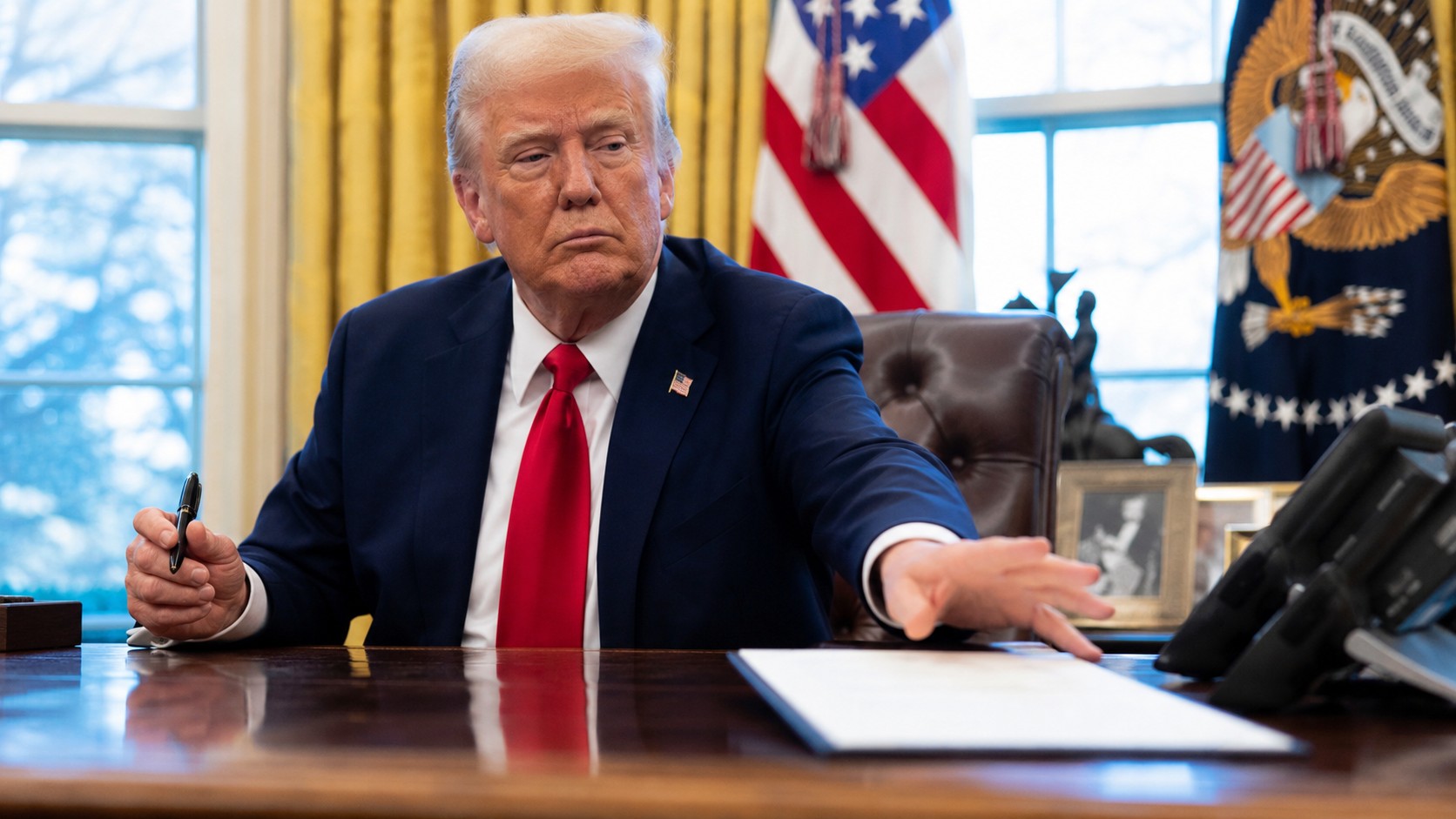
President Donald Trump announced Friday morning that he will not sign the bipartisan housing affordability bill Congress sent to his desk — but his refusal will not stop it. Under the Constitution, the measure was set to become law at midnight, with or without his signature.
A Protest Over an Unrelated Bill
In a post on Truth Social, Trump wrote that he would withhold his signature from the Housing Bill “in PROTEST” over the Senate’s failure to pass the SAVE America Act, his favored election legislation that would require proof of citizenship to register to vote and a photo ID to cast a ballot.
The move stunned lawmakers in both parties. The housing package is the most significant housing affordability legislation Congress has passed in decades, and it cleared both chambers by overwhelming margins in late June — 358-32 in the House and 85-5 in the Senate. Those vote totals are far beyond the two-thirds majorities needed to override a veto, which may explain why the White House chose a signature protest rather than a formal veto.
What the Housing Bill Actually Does
The legislation takes direct aim at the affordability crisis that has priced millions of Americans out of homeownership. Its headline provision bars large institutional investors from buying up single-family homes — a practice critics say has turned starter homes into rental portfolios and driven up prices in fast-growing metro areas.
The package also includes measures aimed at boosting housing supply and easing costs for first-time buyers. Supporters in both parties spent months negotiating the deal, and it drew rare praise from both progressive housing advocates and conservative economists before its passage.
Why It Becomes Law Anyway
The Constitution gives a president ten days, Sundays excepted, to sign or veto a bill once Congress delivers it. If he does neither and Congress remains in session, the bill becomes law automatically. Because Congress has not adjourned, Trump’s refusal to act functions as a pass — not a veto. The clock ran out at midnight, and the housing bill entered the books without a presidential signature.
Presidents have occasionally used this maneuver to register displeasure without formally blocking legislation. But doing it on a marquee bipartisan bill — one that passed with more than 85 percent support in both chambers — is a striking choice.
The Political Fallout
Democrats moved quickly. Senate Minority Leader Chuck Schumer said Trump “refused to sign the most significant bipartisan housing bill in decades” and accused the president of choosing “higher costs for families and more power for himself.”
Trump’s allies frame the protest differently: as a warning shot at Senate Republicans who have stalled the SAVE America Act. The message, they argue, is that the president’s legislative priorities cannot be shelved without consequences — even symbolic ones.
What This Means for Americans
For homebuyers, the practical outcome is unchanged: the housing law takes effect regardless of the drama surrounding its signing. The restrictions on institutional investors and the affordability measures now move to implementation. For everyone else, the episode is a preview of a larger fight — election legislation is now tied, at least politically, to everything else moving through Congress.
Stay informed on the stories that matter most. Follow Palmedia News on Facebook and bookmark palmedianews.com for breaking news and analysis.