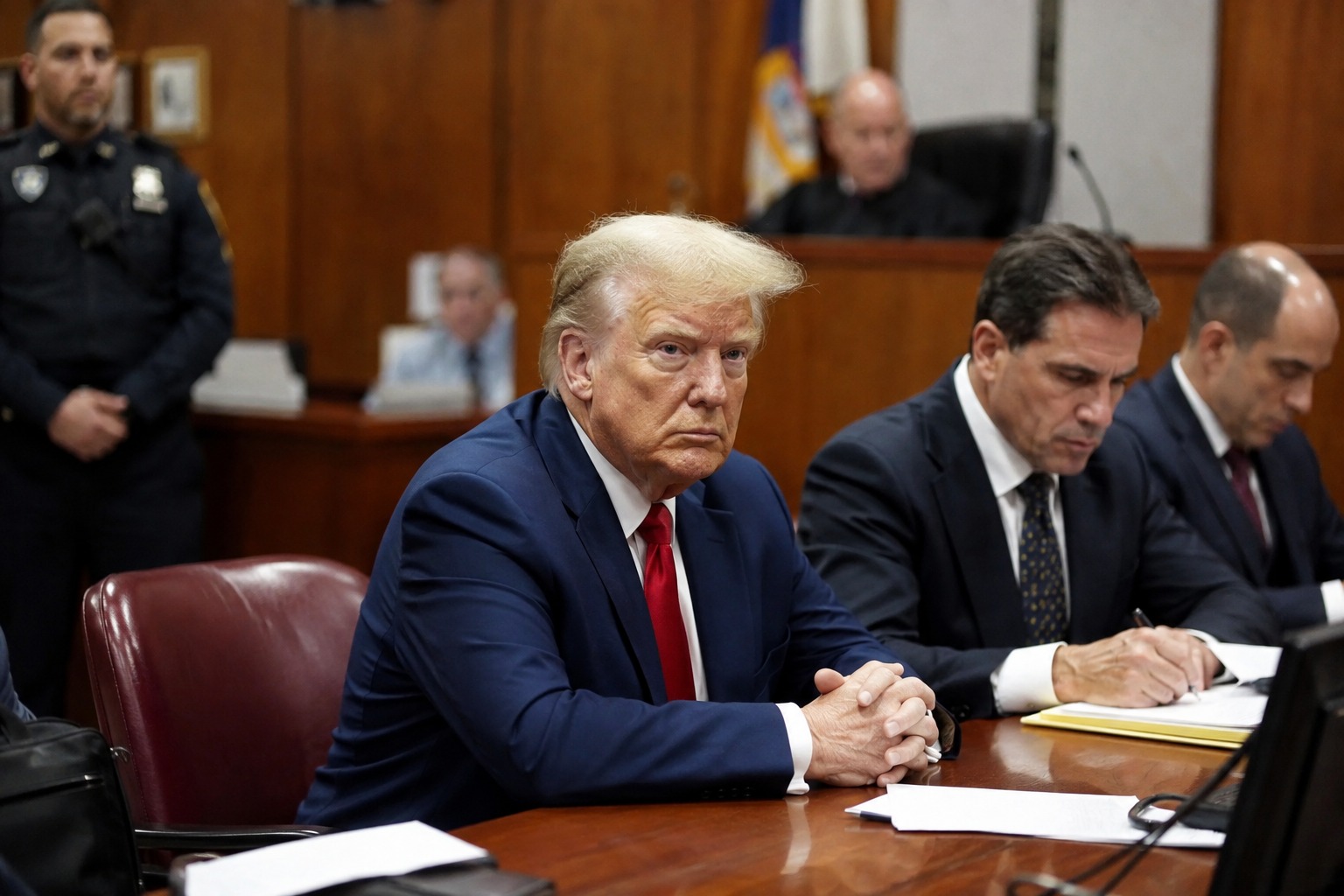
A federal judge has ruled that Donald Trump must turn over financial records requested by the BBC — a striking turn in the very lawsuit Trump himself filed against the British broadcaster. The order arrived in Trump’s $10 billion defamation case, which he brought after the BBC aired a documentary he says misleadingly edited clips of his January 6 speech.
In other words, the case Trump launched to punish the BBC could end up forcing him to reveal information he has spent years shielding from public view.
How the Lawsuit Began
Trump sued the BBC for $10 billion, alleging he was defamed by a documentary that spliced together portions of his January 6, 2021 remarks in a way he argues distorted their meaning. The broadcast at the center of the dispute drew intense scrutiny over how the footage was edited, and the fallout escalated into one of the largest defamation claims ever filed against a news organization.
The BBC has signaled it intends to fight the claim rather than settle quietly. As part of that defense, the network’s lawyers moved to examine Trump’s finances — arguing that when someone seeks billions of dollars in damages, the other side is entitled to test how those alleged damages are calculated.
What the Judge Ordered
The court sided with the BBC on the discovery question, ordering that financial documents tied to Trump’s trust be produced. Discovery is the pre-trial phase in which each side can demand records and evidence relevant to the case, and judges have broad authority to decide what qualifies as fair game.
Because Trump put the scale of his alleged harm at the heart of a ten-figure claim, the judge concluded the BBC could seek records bearing on his finances. Legal observers noted the ruling could open a window into figures Trump has long fought to keep private, potentially touching on details connected to his tax filings and business holdings.
The Order Is On Hold — For Now
Shortly after the disclosure order came down, it was temporarily paused while the dispute is reviewed. That means the documents are not changing hands yet, and the question of exactly what Trump must produce remains unresolved. Such stays are common when a party challenges a discovery ruling, and they can delay — but do not necessarily cancel — the underlying order.
For now, the fight has shifted from whether the documents are relevant to when, and in what form, they might be handed over.
Why It Matters
The case highlights a risk that comes with any high-stakes lawsuit: the moment you walk into court demanding money, you also open yourself to scrutiny. A plaintiff seeking billions cannot always control which of their own records become relevant, and courts routinely allow the opposing side to dig into the basis for the claim.
For everyday readers, the takeaway is less about one man’s finances and more about how the legal system works. Discovery rules apply broadly, and they are designed to give both sides access to the facts. That principle holds whether the plaintiff is a private citizen or the most recognizable political figure in the country.
Stay informed on the stories that matter most. Follow Palmedia News on Facebook and bookmark palmedianews.com for breaking news and analysis.