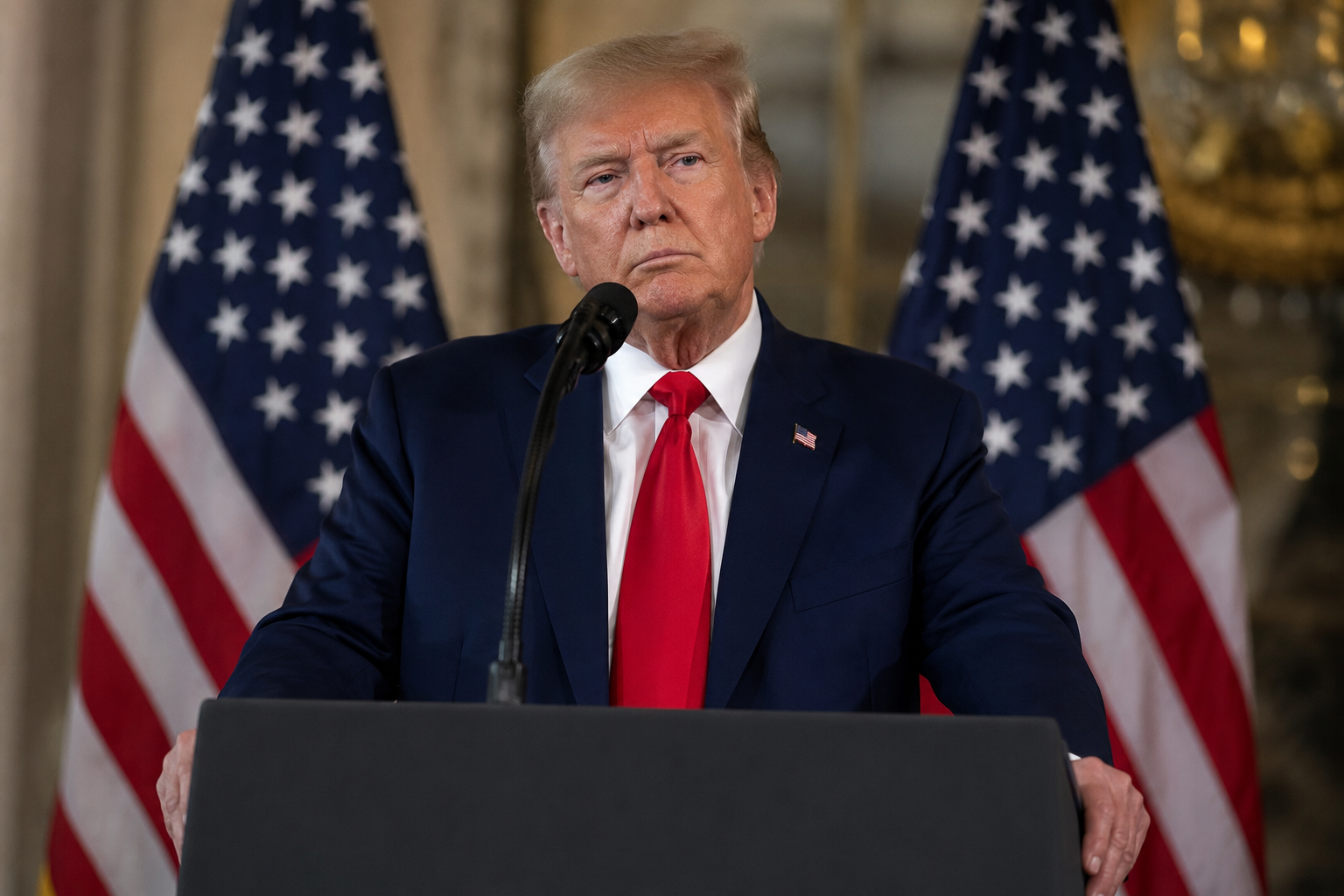
A fresh batch of polling is drawing attention to one of the most closely tracked figures in American politics: President Donald Trump’s standing with independent voters. Across four separate surveys, his approval among independents is reported to have slipped to roughly 25% — a number that, if it holds, signals real friction with a bloc that frequently tips national elections.
Why Independents Matter So Much
Independents are the voters who refuse to lock in with either party. They swing. They sit out elections, or they decide them. In a country where the two major parties are roughly balanced, the slice of the electorate that calls itself independent often functions as the tiebreaker — which is exactly why strategists in both camps watch their mood so obsessively.
When approval among that group is reported in the mid-20s, it tends to set off alarms in one party and quiet optimism in the other. A figure near 25% would mean that, as of these surveys, only about one in four independents say they approve of the job the president is doing. That is the headline number now circulating in Washington.
What the Polls Are Showing
The key detail driving the conversation is not any single poll, but the clustering. One survey landing at a low number can be dismissed as an outlier — a quirk of timing, sample, or methodology. Four separate surveys reportedly landing in the same neighborhood is harder to wave away. That convergence is what has elevated the story from a routine data point to a talking point.
It is worth being precise about what these numbers do and do not tell us. Approval ratings are snapshots, not forecasts. Pollsters use different sampling techniques, different ways of defining who counts as an “independent,” and different question wording — all of which can move a result by several points. The reported ~25% figure should be read as an approximate, point-in-time reading rather than a fixed verdict.
Still, polling professionals generally agree that when multiple independent surveys agree, the underlying signal is more credible than any one of them alone. That is the argument animating the current coverage: not that 25% is destiny, but that four readings in the same range are difficult to dismiss as noise.
The Debate Over What It Means
Supporters of the administration push back on the framing. They argue approval numbers are inherently volatile, rise and fall with the daily news cycle, and tell you very little about where voters will actually be when the next election arrives. By their reading, a soft patch with independents in the middle of a term is normal turbulence, not a structural problem — and entirely recoverable.
Critics see it differently. To them, a sustained slide with independents is precisely the kind of warning sign no administration can afford to ignore, because it is the group most likely to defect rather than simply grumble. If the erosion is real and durable, they argue, it could reshape the math heading into the next cycle. The disagreement is less about the number itself than about whether it is a blip or a trend.
What This Means for Americans
For most people, a single approval figure does not change daily life. But these numbers shape how politicians behave. When a president’s standing with swing voters dips, it can influence which policies get prioritized, how aggressively an agenda is pursued, and how both parties pitch themselves to the voters in the middle. In that sense, the mood of independents is a quiet steering wheel on the direction of national politics — and watching it move is one way to read where things may be heading.
Stay informed on the stories that matter most. Follow Palmedia News on Facebook and bookmark palmedianews.com for breaking news and analysis.