The legal team that defeated President Donald Trump’s first attempt to end birthright citizenship is back in federal court, asking a judge to block his second try before it can take effect on September 6. The move sets up another high-stakes clash over one of the most fundamental questions in American law: who automatically becomes a citizen at birth.
How We Got Here
The fight traces back to a sweeping 2025 executive order that sought to deny citizenship to children born on U.S. soil to undocumented parents. That order was challenged almost immediately, and the case climbed all the way to the Supreme Court. In a 6-3 decision, the justices struck it down, reaffirming that the 14th Amendment guarantees citizenship to nearly every child born in the country.
The Court was specific. It said only four narrow categories of children born on American soil are excluded from automatic citizenship: the children of foreign ambassadors, children born on foreign public ships, children born to enemy forces occupying U.S. territory, and members of sovereign Native American tribes. The justices left little room for new exceptions to be invented.
What the New Order Says
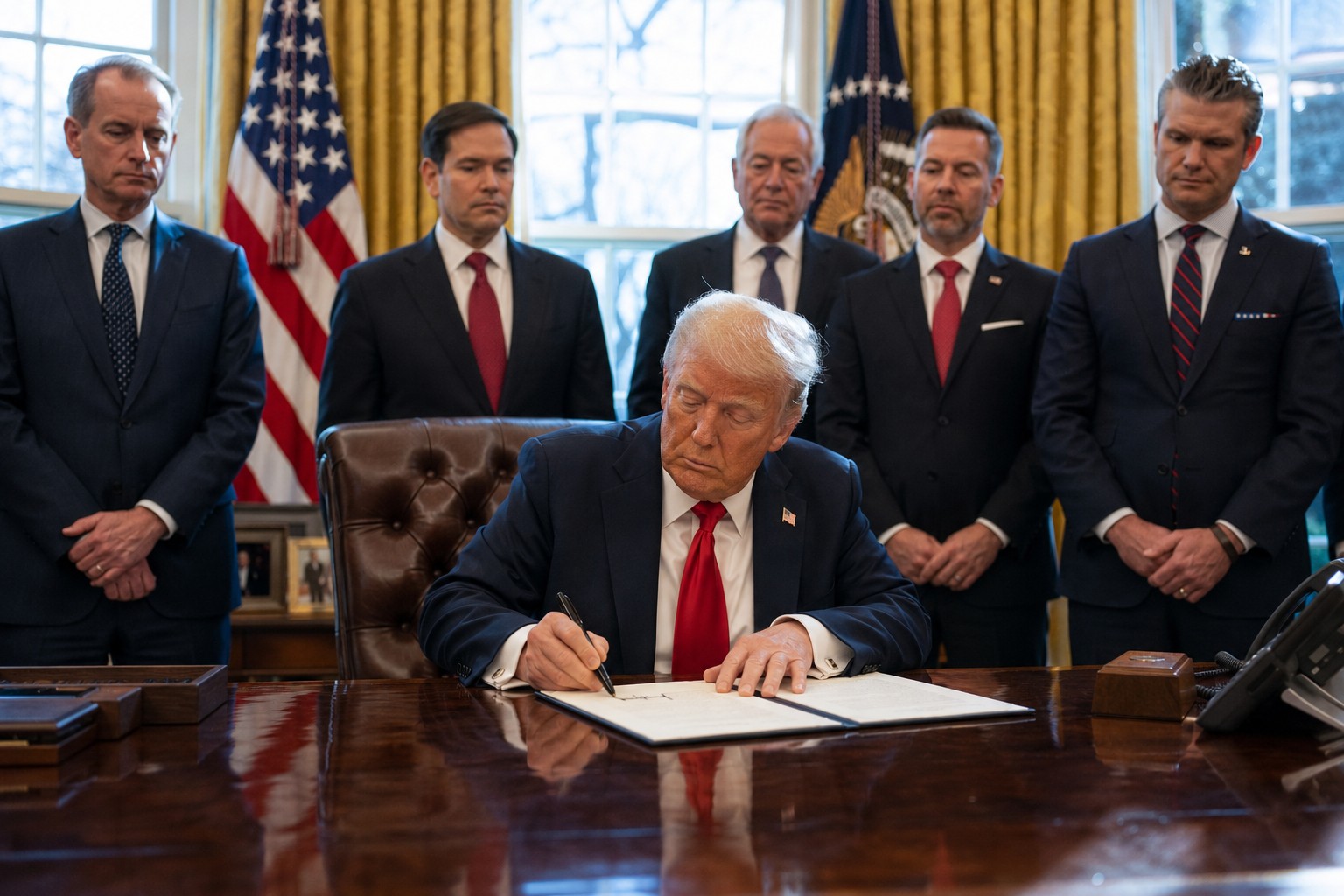
Weeks after that ruling, the president signed a second executive order that tries to carve out fresh exceptions. Under the new directive, citizenship would be denied to babies born to a parent classified as an “alien enemy,” to a parent who is a foreign government employee, or to a parent who “engaged in a commercial transaction” to obtain citizenship. It also targets children born in territories where citizenship is not conferred by statute.
The order is scheduled to take effect on September 6, giving opponents a narrow window to stop it. Supporters of the president argue the language is designed to fit within the boundaries the Supreme Court set, addressing categories the earlier order did not.
The Legal Challenge
The American Civil Liberties Union and its partners have filed a motion asking a federal judge to declare that the Supreme Court’s ruling already blocks this second order. Their argument is direct: none of the new exemptions appear anywhere in the Constitution or in federal citizenship law, and the justices already said the list of exceptions is closed.
Rather than launch an entirely new lawsuit, the legal team is asking the court to clarify that its earlier decision covers the president’s latest action. If the judge agrees, the order could be halted before a single birth certificate is affected. If the judge disagrees, the dispute is widely expected to head back toward the Supreme Court.
The Debate
Supporters of the president say he is acting within his authority to define the boundaries of citizenship and to close what they view as loopholes. Critics counter that he is defying a ruling the Court handed down just weeks earlier, and that redefining citizenship by executive order stretches presidential power past its limits. Both sides agree on one thing: the outcome will shape how the 14th Amendment is applied for years to come.
What This Means for Americans
For families expecting children this fall, the stakes are immediate and personal. The judge’s decision could determine whether thousands of newborns are recognized as U.S. citizens the moment they are born, or whether their status becomes tangled in a legal fight that may take months or years to resolve. Beyond those families, the case tests a bigger question that affects everyone: how much a single ruling from the Supreme Court can be reshaped by the stroke of a pen.
Stay informed on the stories that matter most. Follow Palmedia News on Facebook and bookmark palmedianews.com for breaking news and analysis.