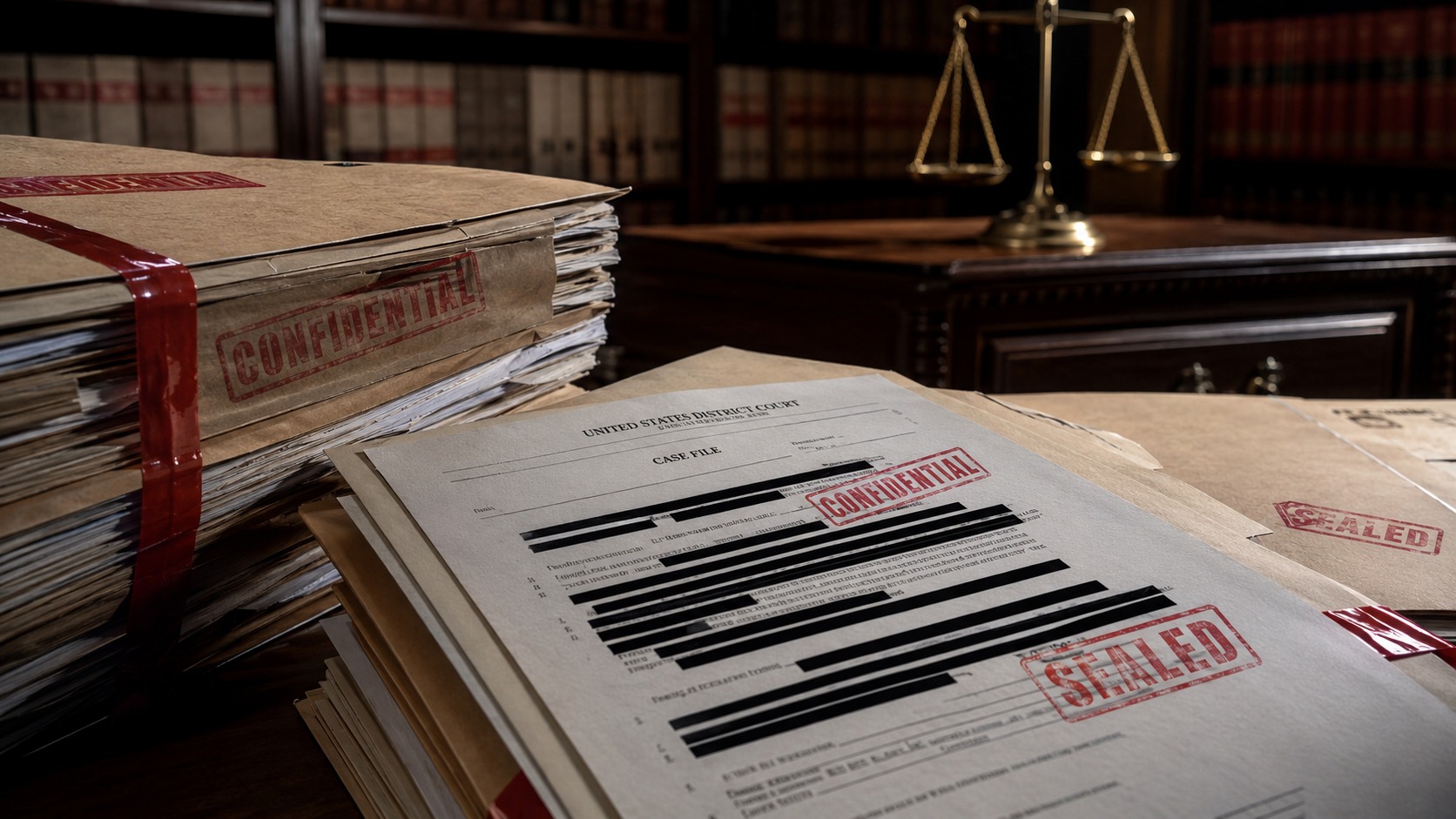
The battle over the Epstein files has become one of the most heated transparency fights in recent memory, and a fresh court deadline has thrown gasoline on the argument. At the center of it all is a simple but explosive question: should the government release every single document in full, with no names blacked out, no matter how powerful the people implicated turn out to be?
How We Got Here
The Epstein Files Transparency Act was signed into law in late 2025 after a rare bipartisan push in Congress. The law ordered the Justice Department to make the government’s full collection of Epstein-related records available to the public and to hand the House and Senate Judiciary Committees an unredacted list of every government official and politically connected figure named in the files.
The mandate was sweeping by design. Lawmakers on both sides of the aisle framed it as a test of whether the justice system would treat the powerful the same as everyone else. But turning a law on paper into a genuine public accounting has proven far messier than its supporters hoped.
Millions of Pages, Endless Questions
Since the law took effect, the government has released records in waves. Millions of pages of documents, along with tens of thousands of images and thousands of videos, have been made public. On paper, that sounds like radical transparency.
The reality has been more complicated. Watchdog groups and members of Congress have repeatedly complained that major portions of the material are still missing, and that some releases arrived so heavily censored that hundreds of pages were blacked out from top to bottom. Critics argue that a redacted document dump is not the same as the full accounting the law demanded.
Every new release has reignited suspicion. Each time names are withheld, observers ask whether the government is protecting victims and the uncharged, or shielding influential figures from public scrutiny.
A Court Steps In
The pressure has now escalated to the courts. A federal judge set a firm deadline for the government to strip away redactions and reveal names that have remained hidden, part of ongoing litigation seeking fuller disclosure. The looming deadline has once again pushed the Epstein files to the center of the national conversation.
For supporters of complete transparency, the court order is a long-overdue check on an agency they believe has slow-walked the process. For others, it raises hard questions about how far disclosure should go before it starts causing collateral damage.
The Two Sides of the Debate
Advocates for full release make a straightforward case: the public paid for these investigations, the crimes involved were serious, and the American people deserve the complete, unredacted record regardless of how prominent the people named turn out to be. In their view, any redaction is an invitation to suspicion.
Those urging caution counter that raw, unfiltered files can name people who were never charged with any crime, potentially branding them in the public eye based on nothing more than an appearance in someone’s records. They also warn that a full release could expose victims who were promised privacy and confidentiality. The tension between accountability and fairness sits at the heart of the fight.
What This Means for Americans
Beyond the headlines, this debate touches something bigger: how much trust Americans can place in their own institutions. When the public suspects that records are being hidden to protect the connected, faith in the justice system erodes. When disclosure goes too far and harms the innocent, that trust takes a different kind of hit. Where the line gets drawn will shape how the country views government transparency for years to come.
Stay informed on the stories that matter most. Follow Palmedia News on Facebook and bookmark palmedianews.com for breaking news and analysis.