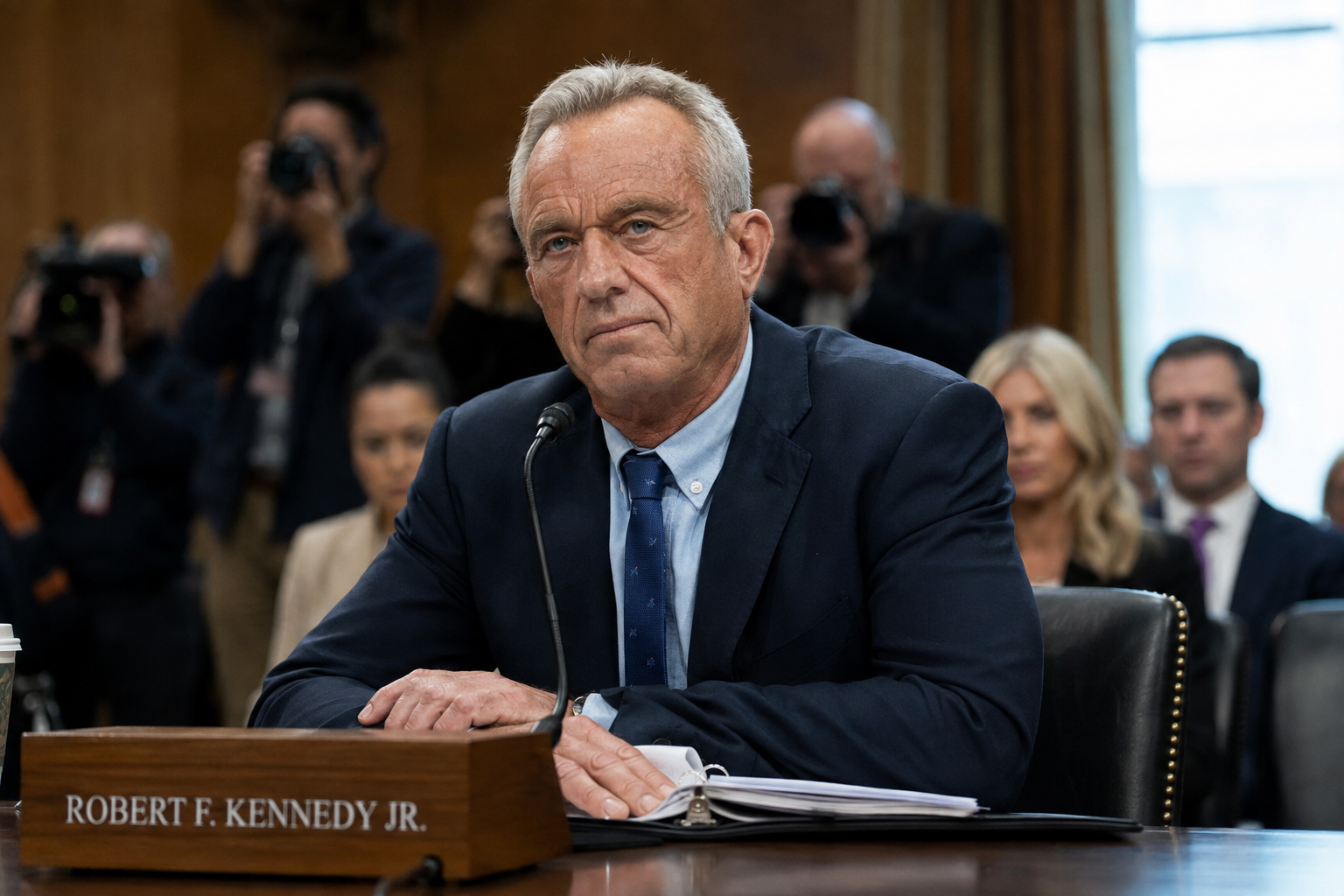
Health Secretary Robert F. Kennedy Jr. told the senators weighing his confirmation that his 2019 trip to Samoa had “nothing to do with vaccines.” A letter he signed five months before that trip says otherwise. Dated January 20, 2019 and obtained by The Associated Press and The Guardian, it asked Samoa’s prime minister for permission to study the island nation’s measles, mumps and rubella vaccines. The words vaccine and vaccination appear in it eight times.
Why Samoa Keeps Following Kennedy
The trip has become one of the most contested episodes of Kennedy’s public life. In 2019 he was chair and chief legal counsel of Children’s Health Defense, a nonprofit known for its anti-vaccine activism. Samoa was in a fragile moment. In July 2018 two young children died after receiving an MMR dose that had been improperly prepared. Two nurses were criminally charged and later pleaded guilty to manslaughter. Human error, not the vaccine itself, was the cause, Samoa’s top health official announced.
The government still halted all vaccinations for ten months. Immunization rates collapsed. By the time they resumed in April 2019, the country was dangerously exposed. Months after Kennedy’s visit, measles swept through Samoa and killed 83 people, most of them children under five.
What the Letter Says
The newly released letter, written on Children’s Health Defense letterhead, was addressed to then-Prime Minister Tuilaepa Sailele Malielegaoi. “I am writing this letter to you in the hope that we might be helpful to the people of your great nation,” Kennedy wrote. He raised the possibility that the two deaths stemmed from manufacturing problems with particular vaccine lots, and proposed a remedy: “I would propose my team conduct detailed health informatics assessment in Samoa of what happened with your MMR vaccines.”
He argued that investigating adverse events linked to vaccines is slow in most of the world, because health record systems rarely connect diagnoses to specific vaccination events. The letter did not discuss anti-vaccine activism directly. A month later the prime minister wrote back, welcoming what he called an “independent health assessment of our MMR Vaccines.”
Kennedy traveled to Samoa that May and June with his wife, actor Cheryl Hines, and a Children’s Health Defense colleague. While there he met with anti-vaccine activists, including one who helped arrange the trip.
What He Told the Senate
Kennedy faced a difficult confirmation in early 2025. Lawmakers in both parties had criticized his long record of anti-vaccine statements, and he spent much of two hearings assuring them he supported childhood vaccination. Samoa came up repeatedly.
Asked about it by Oregon Senator Ron Wyden, Kennedy answered: “I went there, nothing to do with vaccines. I went there to introduce a medical informatics system that would digitalize records in Samoa and make health delivery much more efficient.” The next day Massachusetts Senator Edward Markey pressed him again. “My purpose in going down there had nothing to do with vaccines,” Kennedy said. Pushed further, he denied it once more before adding that he “ended up having conversations with people, some of whom I never intended to meet.”
The Senate confirmed him 52-48.
The Dispute Now
The Department of Health and Human Services says the visit “was unrelated to vaccines.” It went further on the accusation itself, calling any claim or insinuation that Kennedy lied to Congress “not only false but outright defamatory.” Kennedy was not made available for an interview, and the White House did not comment.
One legal detail matters here. Kennedy was not under oath at his confirmation hearing. That is often assumed to settle the question, and it does not. Knowingly giving materially false testimony to Congress is a federal crime whether or not a witness is sworn. It is also rarely prosecuted.
Wyden and Markey, the two senators who questioned him about Samoa, both say he lied. Wyden, the ranking Democrat on the Senate Finance Committee, says he will press Republicans to refer the matter to the Justice Department. “There are consequences for lying to Congress,” he said. Attorneys say lawmakers could open hearings, an investigation, or an impeachment inquiry. With Republicans holding the majority and aligned with the administration, none of that is likely in the near term.
There is one Republican whose position has shifted. Senator Bill Cassidy, the Louisiana physician who chairs the Senate health committee and is an outspoken advocate of vaccination, provided a decisive vote for confirmation. He did so, he explained at the time, because Kennedy had promised not to alter certain vaccine policies, including a pledge to leave a federal vaccine advisory committee “without changes.” In office, Kennedy removed all 17 members of that committee and appointed his own. “The commitments that were made to me have been violated,” Cassidy said in June.
What This Means for Americans
The man now setting federal vaccine policy is under dispute about what he told the Senate to get the job. That matters beyond the politics of it. The advisory committee he replaced helps determine which vaccines are recommended, which ones insurers cover, and what pediatricians tell parents. Whether or not the Samoa answers are ever formally examined, the record of what was promised during confirmation and what has happened since is now a matter senators on both sides are weighing.
Stay informed on the stories that matter most. Follow Palmedia News on Facebook and bookmark palmedianews.com for breaking news and analysis.