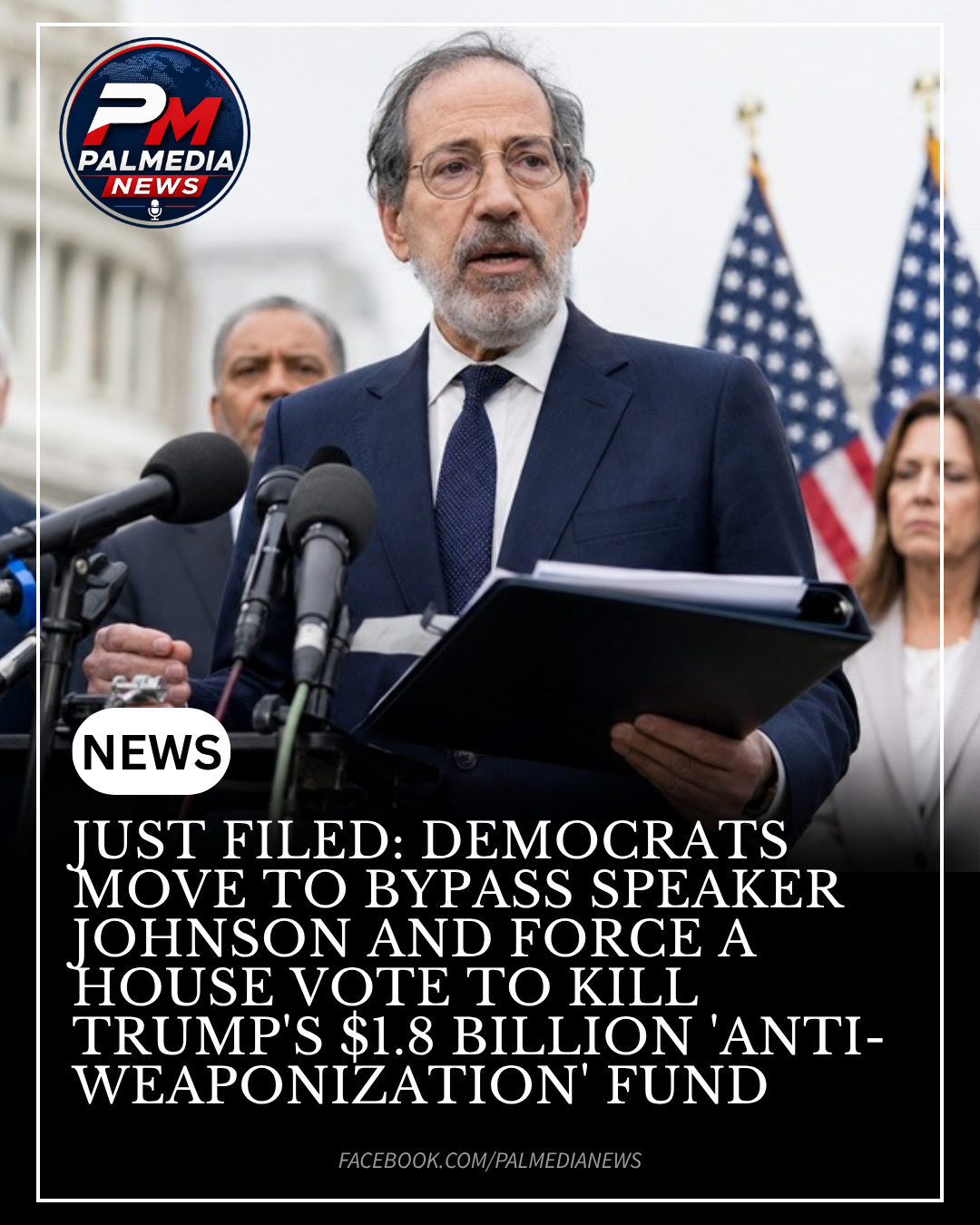
House Judiciary Committee ranking member Jamie Raskin has filed a discharge petition designed to go around Speaker Mike Johnson and force a full House vote on a bill that would permanently block the Trump administration’s nearly $1.8 billion “anti-weaponization” fund. The maneuver bypasses the Speaker’s control of the floor schedule entirely — if 218 members sign, the bill gets a vote whether leadership wants one or not.
Raskin, the top Democrat on the Judiciary Committee, announced the plan during a House Democratic whip meeting before the petition went live in late June. It is one of the most aggressive procedural tools available to the minority, and Democrats are betting it can pry loose a vote that Republican leaders have shown no interest in scheduling.
What the Fund Actually Does
The fund was set up to provide taxpayer-backed compensation to individuals covered under a settlement the administration reached with the IRS in May 2026. Backers describe it as a remedy for people they say were unfairly targeted by past federal investigations. Critics see something very different: a nearly $1.8 billion pool of public money tied to a legal arrangement that benefits the president and those around him.
The dispute has already drawn attention beyond Capitol Hill, with a federal judge raising questions about how the fund is being handled. That scrutiny has given Democrats an opening to argue the program deserves a full, on-the-record debate.
The NO CARTE BLANCHE Act
Raskin’s bill, the NO CARTE BLANCHE Act, would prohibit the government from spending money to compensate settlement beneficiaries. It would also bar a sweeping legal immunity arrangement that critics say was negotiated for President Trump, his family, and their businesses by acting Attorney General Todd Blanche.
Opponents have branded the combination of immunity and taxpayer compensation a “super pardon” and a government-funded slush fund. Supporters counter that the measure is a political attack dressed up as oversight. Either way, the bill’s fate now hinges on a signature count rather than a committee gavel.
How a Discharge Petition Works
A discharge petition is a rarely successful but powerful tool. When a bill is bottled up in committee, any member can file one; if a majority of the House — 218 members — signs it, the bill is “discharged” and sent to the floor for a vote, over the objection of leadership.
The tactic almost always falls short, because members are reluctant to cross their own party’s leaders. But it is not hopeless: eight discharge petitions have already reached the 218-signature threshold this session, a sign that the mechanism can still work when the political pressure is high enough.
The Political Stakes
For Democrats, the petition is as much about messaging as procedure. Forcing a vote would put every House member on the record either defending or opposing a nearly $1.8 billion program tied to the president’s legal affairs — a vote both sides know could echo into the next election.
Raskin has framed the effort as a test of whether Congress will police the use of public funds. Republican leaders, who control the floor, have not signaled any plans to bring the bill up on their own, which is precisely why Raskin turned to the discharge route.
What This Means for Americans
At its core, the fight is about how nearly $1.8 billion in taxpayer money can be spent and who benefits from it. Whether the fund is a legitimate remedy or an improper payout, the discharge petition guarantees the question will not simply disappear from public view. If it succeeds, voters will be able to see exactly where their representatives stand.
Stay informed on the stories that matter most. Follow Palmedia News on Facebook and bookmark palmedianews.com for breaking news and analysis.