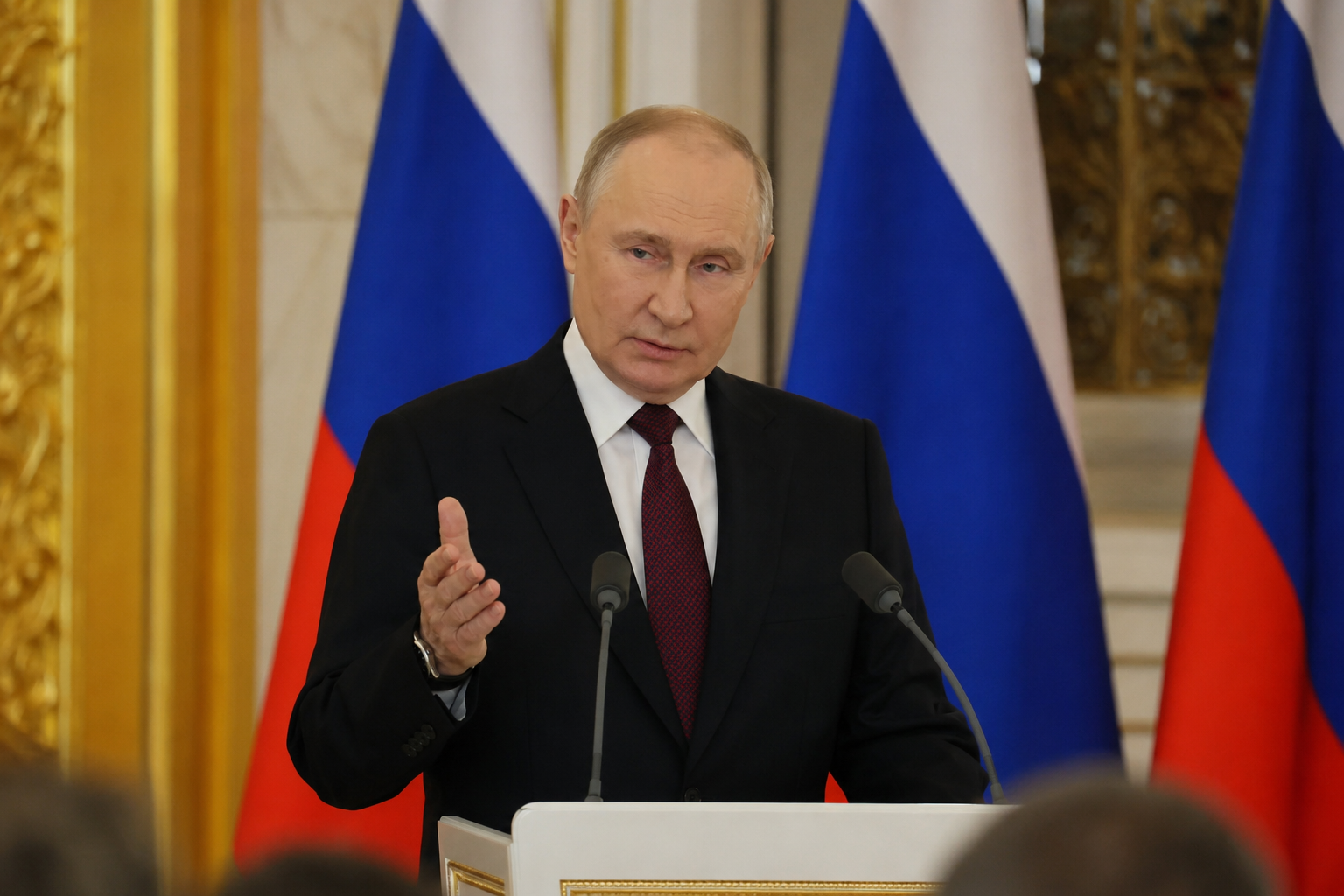
Russian President Vladimir Putin says Moscow is “ready for peace negotiations with Ukraine” — a declaration that has drawn intense scrutiny because of when it arrived. The statement came just days after a renewed wave of Ukrainian strikes on Russian oil refineries left fuel shortages spreading across parts of the country.
Why The Timing Matters
Offers to talk are not new in this war. What makes this one different is the backdrop. Ukraine has spent recent weeks targeting the refineries and energy infrastructure that keep Russia’s economy and military machine running. Those strikes have begun to bite at home, with reports of fuel running short at the pump in several regions and tighter restrictions taking hold in Crimea.
For a leader who has long projected strength and patience, signaling openness to negotiations at precisely the moment the domestic picture grows uncomfortable invites an obvious question: is this a genuine shift, or a tactical move designed to ease the pressure?
What Putin Actually Said
Putin characterized the Ukrainian attacks on Russian energy sites as a deliberate attempt to “destabilise society.” In the same remarks, however, he said Russia was prepared to move forward on the basis of agreements first floated in Istanbul — talks he said the Ukrainian delegation originally initiated earlier in the conflict.
The reference to Istanbul is significant. Those early-war discussions collapsed without a deal, and each side has since blamed the other for walking away. By pointing back to that framework, Putin is signaling the terms he is willing to revisit — not necessarily a fresh, open-ended negotiation.
Meanwhile, the Kremlin is reportedly weighing concrete measures to protect its fuel market, including a possible ban on diesel exports and changes to tax legislation aimed at steadying domestic supply. Those steps underscore just how real the economic strain has become.
Reactions And Skepticism
The skeptics were quick to respond. To critics, an invitation to the table that lands exactly as gas stations run dry looks less like a change of heart and more like a calculation made under duress. Supporters of negotiation counter that the reason behind an opening matters less than the opening itself — and that any path away from the battlefield is worth exploring.
Major obstacles remain regardless of motive. Territory, security guarantees, and questions of sovereignty are the same fault lines that have stalled every previous attempt at talks. None of them have moved closer to resolution, and there is no indication yet that Kyiv is prepared to accept terms anchored in the earlier Istanbul framework.
What This Means For Americans
The war in Ukraine reaches far beyond the front lines. It shapes global energy prices, influences the cost of goods, and weighs on decisions about U.S. military and financial support. A credible move toward peace could ease pressure on markets worldwide; a stalled or cynical one could prolong the uncertainty. Either way, what Moscow and Kyiv do next ripples back to kitchen tables far from the conflict.
Stay informed on the stories that matter most. Follow Palmedia News on Facebook and bookmark palmedianews.com for breaking news and analysis.