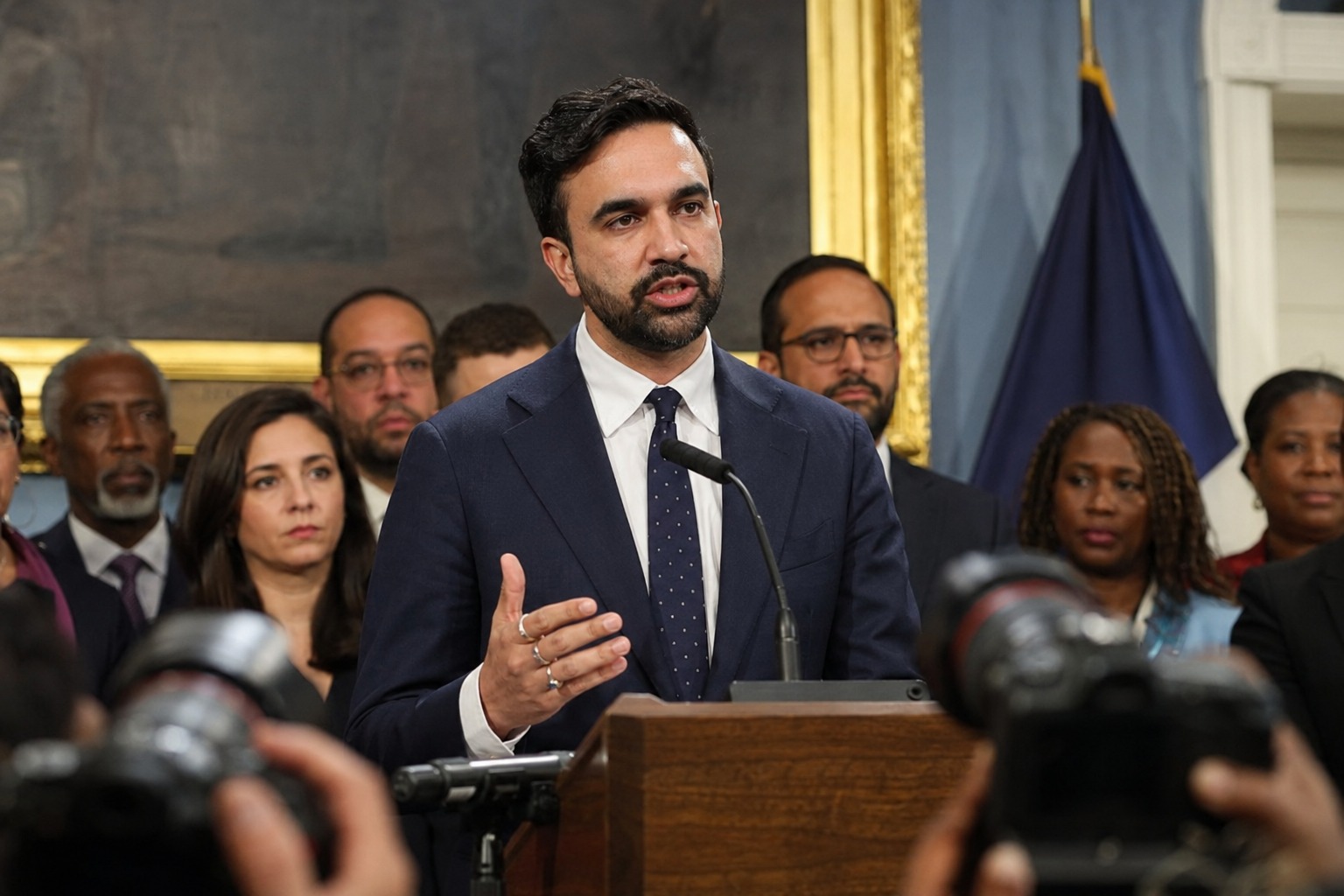
New York City just forced four employers to open their wallets. Walgreens, a security contractor, an Italian retail chain and a Queens coffee company will pay more than $2.1 million in restitution to over 1,600 workers, plus more than $218,000 in civil penalties and costs, after the city found they violated its scheduling and workplace laws.
Walgreens carries the largest share by far. The pharmacy giant will pay more than $1.6 million to over 570 workers at three Brooklyn stores, along with roughly $163,000 in civil penalties.
What the City Found
The city’s Department of Consumer and Worker Protection determined that Walgreens failed to give workers the 72 hours of advance notice of their schedules required under New York City’s Fair Workweek Law. Investigators also found the company pushed employees into additional hours without the written notice or consent the law demands.
That may sound like paperwork. For an hourly worker, it is not. A schedule that changes without warning is a childcare plan that collapses, a second job that becomes impossible to hold, and a paycheck that cannot be predicted from one week to the next.
The Law Behind the Case
New York City’s Fair Workweek Law took effect to end exactly that kind of uncertainty. It requires covered retail and fast-food employers to provide schedules well in advance, bars last-minute shift changes without consent, and effectively outlaws the on-call scheduling that once left workers waiting by the phone to learn whether they would be paid that day.
The law has been on the books for years. What has changed is the intensity of enforcement. City Hall says the total amount recovered for workers has now passed $10.1 million since the start of the Mamdani administration, a figure that reflects a deliberate decision to treat scheduling violations as a serious labor offense rather than a technicality.
What Walgreens Must Do Now
The settlement goes beyond writing checks. Walgreens is required to implement formal, written Fair Workweek policies at the three Brooklyn stores. It must train managers and supervisors on the law’s requirements, appoint designated compliance leaders, and create internal audit procedures designed to catch violations before the city does.
Those structural requirements are arguably the most consequential part of the deal. A one-time payment is a cost of doing business. A permanent compliance apparatus changes how the stores are run.
The Other Employers
Walgreens was not alone. The enforcement action also swept in a security and consulting firm, the retail chain behind Intimissimi, and a Queens coffee company. Together with Walgreens, the four employers account for the roughly $2.1 million in restitution flowing to more than 1,600 workers across the city, from Brooklyn pharmacy floors to an Astoria coffee counter.
Reactions and the Debate
Supporters of the crackdown frame it as long-overdue enforcement of a law that already existed. Their argument is simple: a right that is never enforced is not a right at all, and workers who were shortchanged are being made whole with money they earned.
Critics counter that aggressive penalties raise the cost of operating in the city and can push national chains to cut hours, reduce headcount, or close underperforming locations entirely. In that view, the workers a law is meant to protect can end up with fewer shifts to schedule at all.
Both arguments will be tested by what happens next. If enforcement continues at this pace, other large employers operating in New York will be watching the Walgreens order closely as a template for what noncompliance now costs.
What This Means for Americans
Predictable scheduling laws are spreading beyond New York, and cases like this one shape how seriously they are taken. For anyone who works an hourly retail or food-service job, the question is concrete: can you plan your week, arrange childcare, and count on your paycheck? For employers, the message is equally concrete. Scheduling compliance is no longer a back-office detail. It is a line item with a price tag attached, and in this case that price tag ran into the millions.
Stay informed on the stories that matter most. Follow Palmedia News on Facebook and bookmark palmedianews.com for breaking news and analysis.