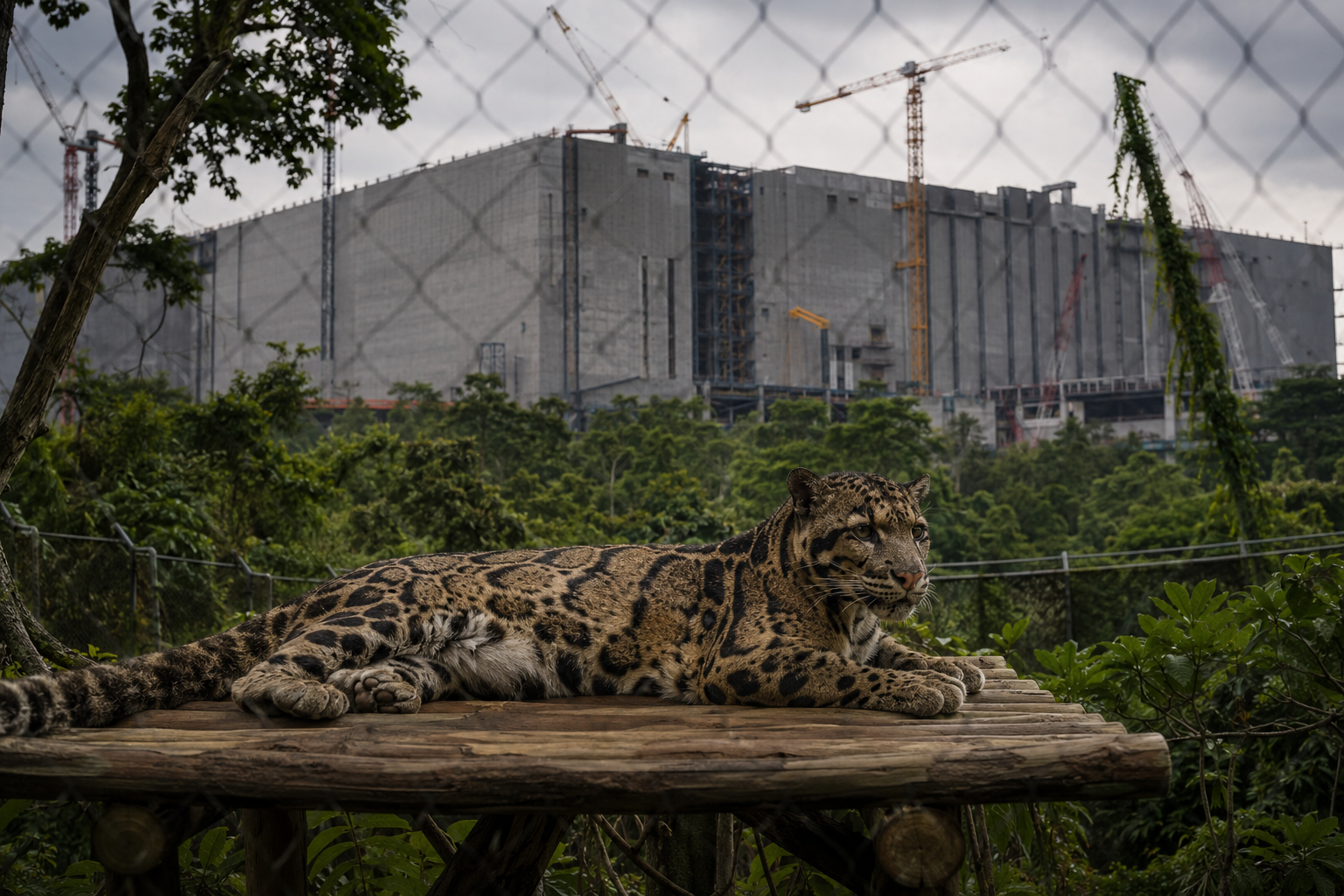
The Nashville Zoo is in a fight it never expected to have. A massive data center is being planned just 50 yards from some of the rarest animals in the country, and the zoo is racing to stop it before construction begins. More than 330,000 people have already signed a petition demanding city leaders intervene.
A Server Farm Next Door to the Wildlife
The proposal would place a roughly 69,000-square-foot data center directly beside the zoo’s campus in southeast Nashville. According to the zoo, the plan has only grown more alarming over time. A second building, reportedly about three times larger than the first, is now part of the project, raising the prospect of an industrial complex looming over enclosures that house some of the world’s most sensitive species.
Data centers are the physical backbone of the artificial intelligence boom. They house thousands of servers that run around the clock, consuming enormous amounts of electricity and water while generating constant noise and heat. For most neighborhoods, the concern is higher utility bills or strained power grids. For a zoo, the worry is far more immediate: what nonstop industrial noise could do to animals that depend on calm, controlled environments to survive and reproduce.
Why the Zoo Says the Stakes Are So High
At the center of the zoo’s concern is the clouded leopard, a vulnerable species the Nashville Zoo has spent years working to breed and conserve. Clouded leopards are notoriously difficult to breed in captivity, and success often hinges on keeping the animals as stress-free as possible. Zoo officials warn that the relentless hum of a data center, running 24 hours a day, could undo breeding programs that took years to build.
The petition opposing the project describes the zoo as home to “one of the most fragile and rare collections of animals in the country.” That framing has resonated. In a matter of days, the petition blew past 330,000 signatures, turning a local zoning dispute into a national conversation about where the AI build-out should and should not be allowed to go.
A Country Star Joins the Fight
The opposition picked up a high-profile ally when Grammy-winning country star Brad Paisley spoke out against the project. In a video that spread quickly online, Paisley called the plan “an absolute nightmare scenario,” lending celebrity weight to a grassroots campaign that was already gaining steam. His involvement helped push the story beyond Nashville and into the national spotlight.
Supporters of the zoo argue the issue is simple: animals that cannot speak for themselves deserve protection from a project that could upend their lives. Critics of the pushback counter that data centers are the infrastructure powering the modern economy, and that cities cannot afford to slam the door on the investment and jobs they bring. Both sides agree on one thing — the decision could set a precedent far beyond a single zoo.
The Fight Moves to City Hall
Now the battle heads into the halls of local government. The Metro Planning Commission is set to hold a public hearing on legislation that would dramatically reshape how data centers can be built in the area. The proposed rules would ban the largest facilities across Davidson County and require smaller ones to sit at least half a mile away from homes, schools, and zoos.
If approved, that buffer would effectively block the project currently planned next to the zoo, and it would put Nashville among a growing list of communities pushing back against the rapid spread of data centers. From California to Tennessee, residents are increasingly questioning whether the facilities belong in their backyards at all.
What This Means for Americans
The Nashville fight is a snapshot of a debate playing out nationwide. As tech companies race to build the infrastructure behind artificial intelligence, towns and cities everywhere are weighing the promise of jobs and investment against the reality of noise, power demands, and disruption to the places people love. For families who visit the Nashville Zoo, the question is personal — and for communities watching closely, the outcome could shape where the next wave of data centers is allowed to rise.
Stay informed on the stories that matter most. Follow Palmedia News on Facebook and bookmark palmedianews.com for breaking news and analysis.