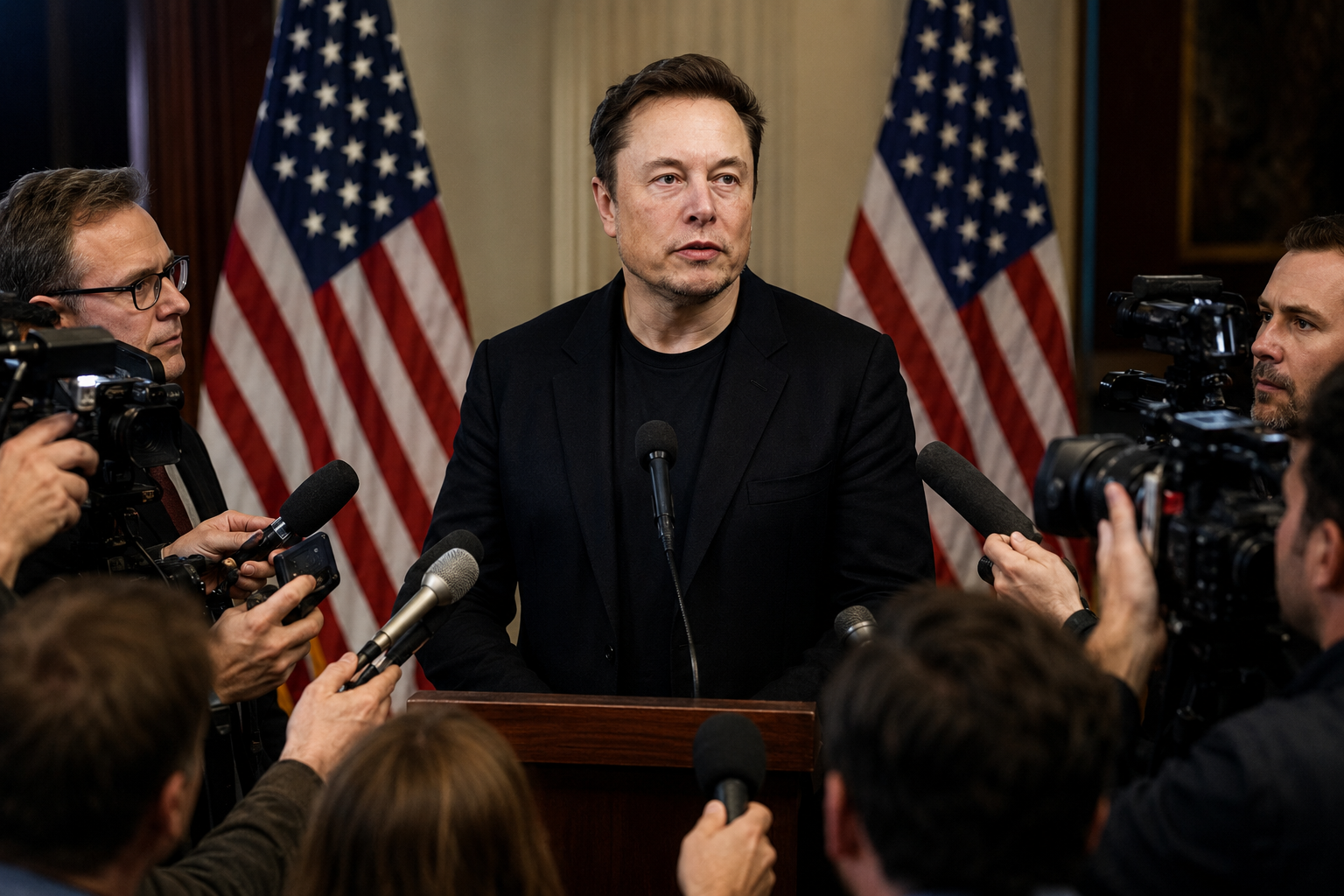
Wisconsin’s bipartisan elections board has found probable cause that billionaire Elon Musk broke state law when he offered $1 million payments tied to voting in the state’s 2025 Supreme Court election. In a 5-1 vote, the Wisconsin Elections Commission concluded there is reason to believe Musk’s social media offers violated the state’s election bribery statute.
A probable cause finding is not a conviction. It is a formal determination that the allegations are serious enough to warrant moving forward, and it keeps the case alive at a moment when many assumed the controversy had faded.
What the Commission Decided
The Wisconsin Elections Commission is deliberately balanced between the two major parties, which makes a lopsided 5-1 vote notable. A single commissioner dissented, so the outcome was not unanimous, but the majority landed firmly on the side of the complaint.
At the center of the case is one line of Wisconsin law: it is illegal to offer anything of value to induce a person to go to the polls. The commission’s majority concluded that Musk’s offers appeared to cross that line. The finding now opens the door to a possible referral for prosecution, where the payments and the precise wording of Musk’s posts would face far closer legal scrutiny.
The $1 Million Offers
The controversy traces back to the 2025 Wisconsin Supreme Court race, one of the most expensive judicial elections in American history. The contest pitted Susan Crawford against Brad Schimel for a seat that determined the ideological balance of the state’s highest court, drawing national money and attention.
During that race, Musk publicized offers of $1 million tied to petition signing and turnout. Supporters framed the money as a reward for civic participation and legal political speech. Critics saw something else: an attempt to put a price tag on showing up to vote. Wisconsin law does not require proof that money changed hands in a simple quid pro quo for the polls to raise a bribery question; the offer itself is what the statute targets.
Reactions and What Comes Next
Musk’s defenders argue the payments were lawful encouragement and protected speech, and that no voter was paid to cast a ballot a particular way. Opponents counter that dangling seven-figure sums in a razor-thin election is exactly the kind of inducement the bribery law was written to prevent.
With probable cause established, the matter can advance toward prosecutors, who would decide whether to pursue charges. Any penalties, and whether the case ultimately holds up, remain to be determined. For now, a bipartisan panel has signaled that the question is real enough to keep pressing.
Why It Matters
Election-integrity rules exist to keep money from tilting the basic act of voting, and this case tests where the line sits when a billionaire with an enormous platform gets involved. However it is resolved, the outcome could shape how far outside spenders can go in future elections, in Wisconsin and beyond.
Stay informed on the stories that matter most. Follow Palmedia News on Facebook and bookmark palmedianews.com for breaking news and analysis.