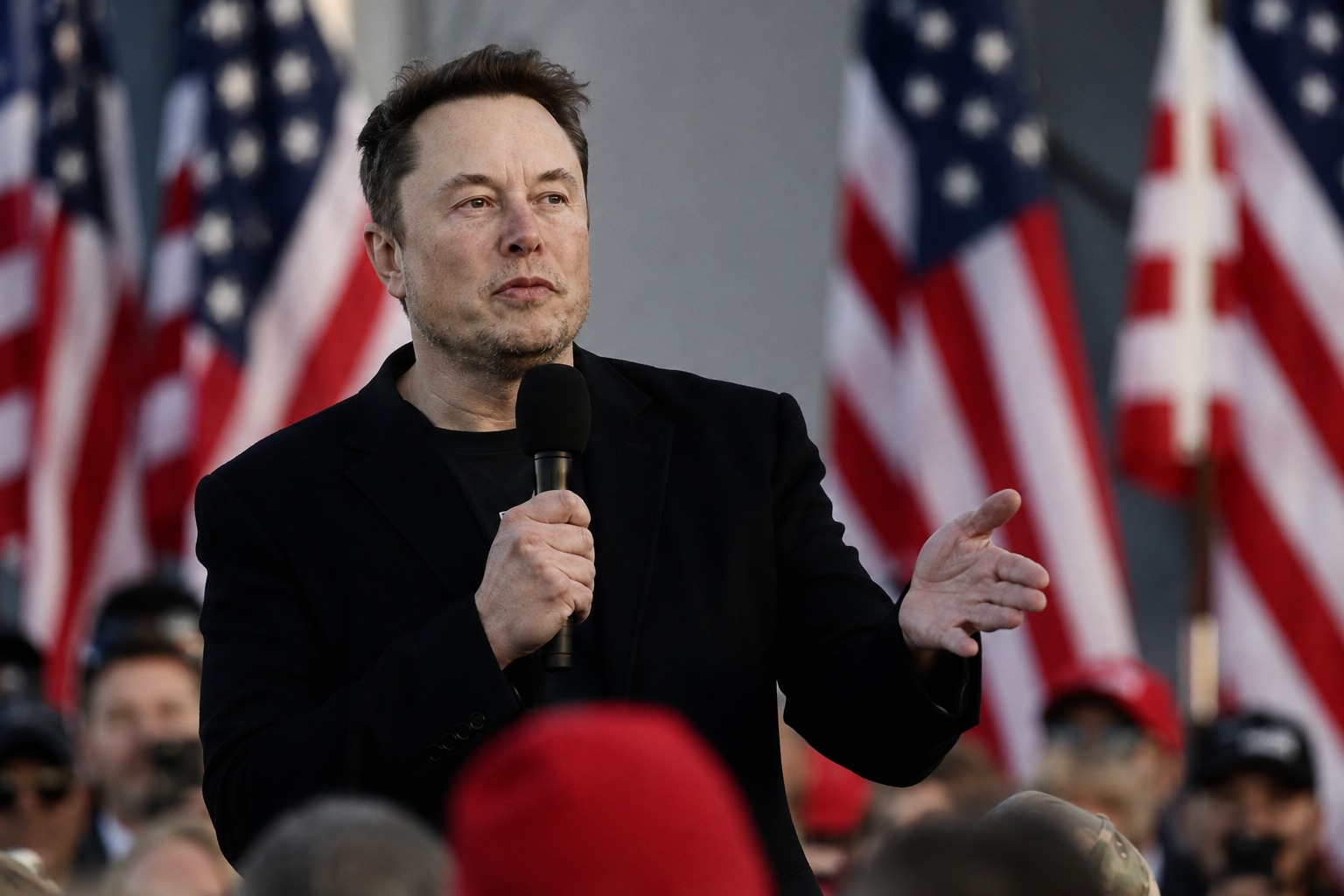
The Wisconsin Elections Commission has voted 5-1 that there is probable cause Elon Musk violated state election law when he offered $1 million to people who voted in the state’s 2025 Supreme Court election. The decision came from a bipartisan panel whose members are appointed by both major parties, giving the lopsided margin unusual weight.
What the Commission Decided
A finding of probable cause is not a conviction or a final judgment. It is a preliminary legal threshold, meaning the commission concluded there is enough evidence for the matter to move forward for further review. It does not establish that Musk is guilty of anything, and he retains every opportunity to contest the finding.
What stood out to observers was the 5-1 vote. Election commissions are frequently split along partisan lines on contentious questions. A near-unanimous margin signaled that commissioners appointed by both parties agreed the conduct at issue was serious enough to pursue.
The $1 Million Offer at the Center of the Case
The dispute traces back to a social media post Musk made ahead of Wisconsin’s 2025 state Supreme Court election, one of the most expensive judicial races in American history. In the post, Musk offered to pay $1 million to individuals who had voted in the race.
Wisconsin law makes it a crime to give, offer, or promise anything of value to induce a person to go to the polls. The commission’s review focused on whether Musk’s public offer crossed that legal line by tying a payment to the act of voting itself.
Musk has previously defended his spending in the race, describing his payments as tied to petition-signing and political advocacy rather than to voting directly. That distinction is likely to be central to any further proceedings, because the law turns on whether the money was offered in exchange for casting a ballot.
Why It Matters
The case lands squarely in a long-running national debate about the boundary between political spending and vote-buying. Wealthy donors and outside groups spend enormous sums to influence elections, and most of that activity is legal. But laws in Wisconsin and other states draw a hard line at paying people specifically to vote.
For everyday voters, the outcome could help clarify what kinds of election-related incentives are permitted and what tips over into illegal inducement. That question has grown more urgent as high-profile figures use social media to reach millions of voters directly in the closing days of a campaign.
What Happens Next
A probable cause finding is a step in a process, not the end of one. The matter can move toward additional review, and any penalties or further action would come later. Both the specifics of Musk’s post and his stated rationale are expected to be examined closely as the case proceeds.
Stay informed on the stories that matter most. Follow Palmedia News on Facebook and bookmark palmedianews.com for breaking news and analysis.