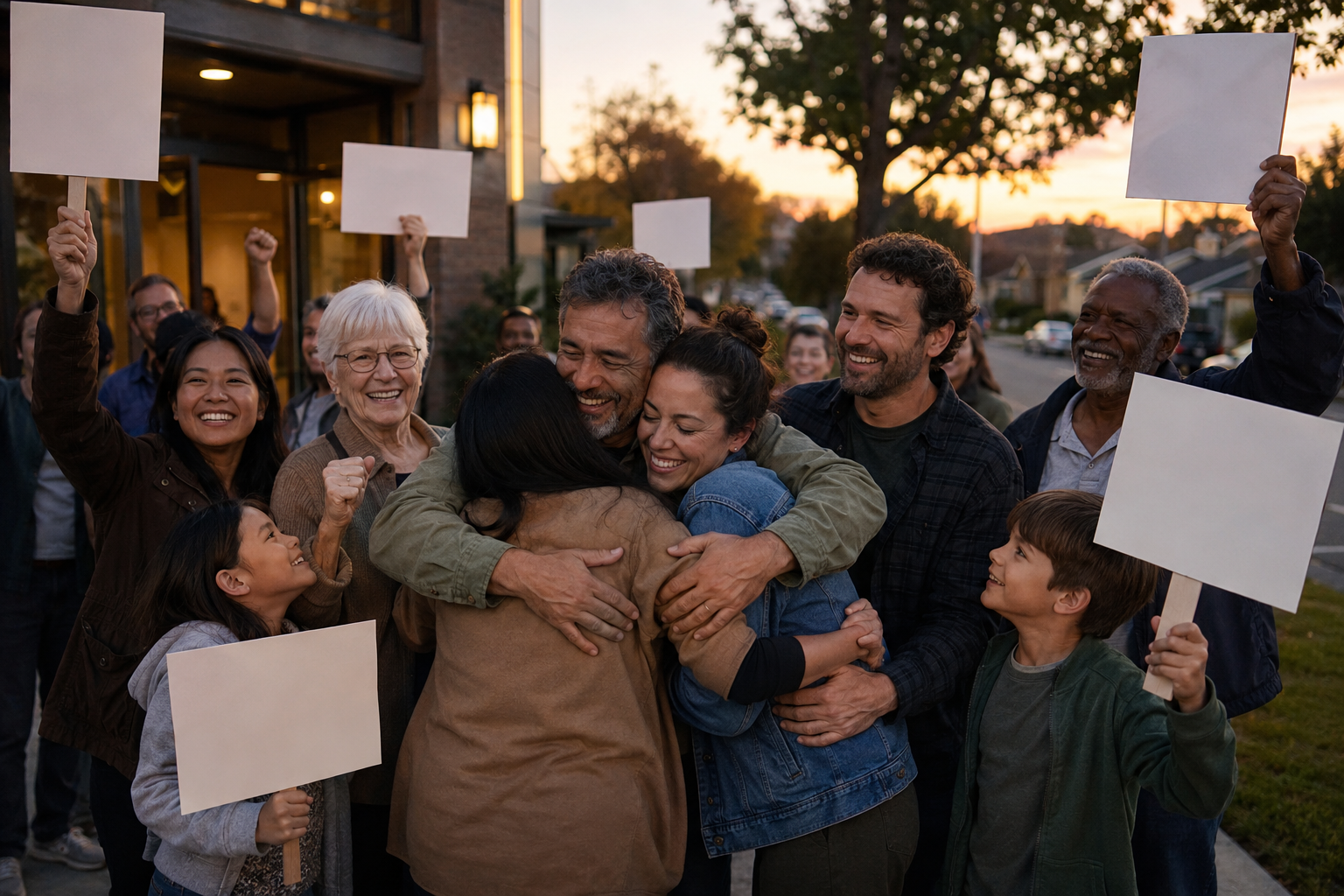
Monterey Park, California has become the first city in the United States to permanently ban data centers by a direct vote of the people — and the margin was staggering. More than 86% of voters backed the measure, writing the prohibition into the city’s rules and handing residents the final word over whether the sprawling computing facilities can ever operate within their borders.
It is a first-of-its-kind rejection. Cities across the country have paused, restricted, or rezoned data center projects, but no community had ever asked its voters to bar them outright and on a permanent basis. Monterey Park did exactly that, and the result was not close.
How the Fight Started
The battle began over a single project: a proposed 247,000-square-foot data center slated for a vacant office complex in the city. What alarmed neighbors was not just the size of the facility, but its location — less than 500 feet from the nearest home.
Data centers are not quiet, invisible neighbors. They are warehouse-scale buildings packed with servers that run around the clock, generating heat that must be constantly cooled. That cooling draws enormous amounts of electricity and, in many cases, water. Backup generators, humming ventilation systems, and 24-hour operations are part of the package. For residents living a few hundred feet away, the prospect raised immediate questions about air quality, noise, and what the facility would do to the surrounding environment.
What Voters Decided
Rather than fight the project permit by permit, residents took the question to the ballot box. The measure they approved does not simply block the one proposed facility — it bans data centers in the city entirely, and keeps that ban in place unless voters themselves choose to reverse it in a future election.
That detail is the heart of the measure. By tying any future reversal to a public vote, residents stripped the decision away from developers and from city officials who might face pressure to approve lucrative projects. The people who live in Monterey Park now hold the switch, and only they can flip it.
The official ballot language framed the ban as a way to protect air quality, drinking water resources, and public health, and to shield residents from potential spikes in their electricity and water rates tied to the large-scale computing facilities. Those pocketbook concerns — the fear of higher utility bills — resonated alongside the environmental worries.
Why It Matters Beyond Monterey Park
The vote arrives at a moment of explosive data center growth. The artificial intelligence boom has sent technology companies racing to build out computing capacity, and data centers are sprouting up across the country to power it. Those facilities are straining local power grids and water supplies in communities from Virginia to Texas to the desert Southwest, and they are increasingly running into organized local opposition.
Monterey Park’s vote gives that opposition a powerful new template. Until now, the fight against data centers has played out mostly in zoning hearings and planning commission meetings — venues where well-funded developers often have the advantage. By moving the decision to a citywide referendum, Monterey Park showed that residents can take the question directly to the ballot and win decisively.
Other cities are already watching. The 86% landslide is hard to ignore, and communities facing their own data center proposals now have a real-world example of voters drawing a hard line and making it stick.
What This Means for Americans
For ordinary residents, the story lands close to home — literally. As the demand for computing power grows, more neighborhoods will find massive facilities proposed nearby, and more families will weigh the tradeoffs between economic development and the cost to their air, water, and monthly bills. Monterey Park’s vote is a reminder that those decisions don’t have to be made for them. When residents organize and bring the question to the ballot, they can keep control of what gets built next door.
Stay informed on the stories that matter most. Follow Palmedia News on Facebook and bookmark palmedianews.com for breaking news and analysis.