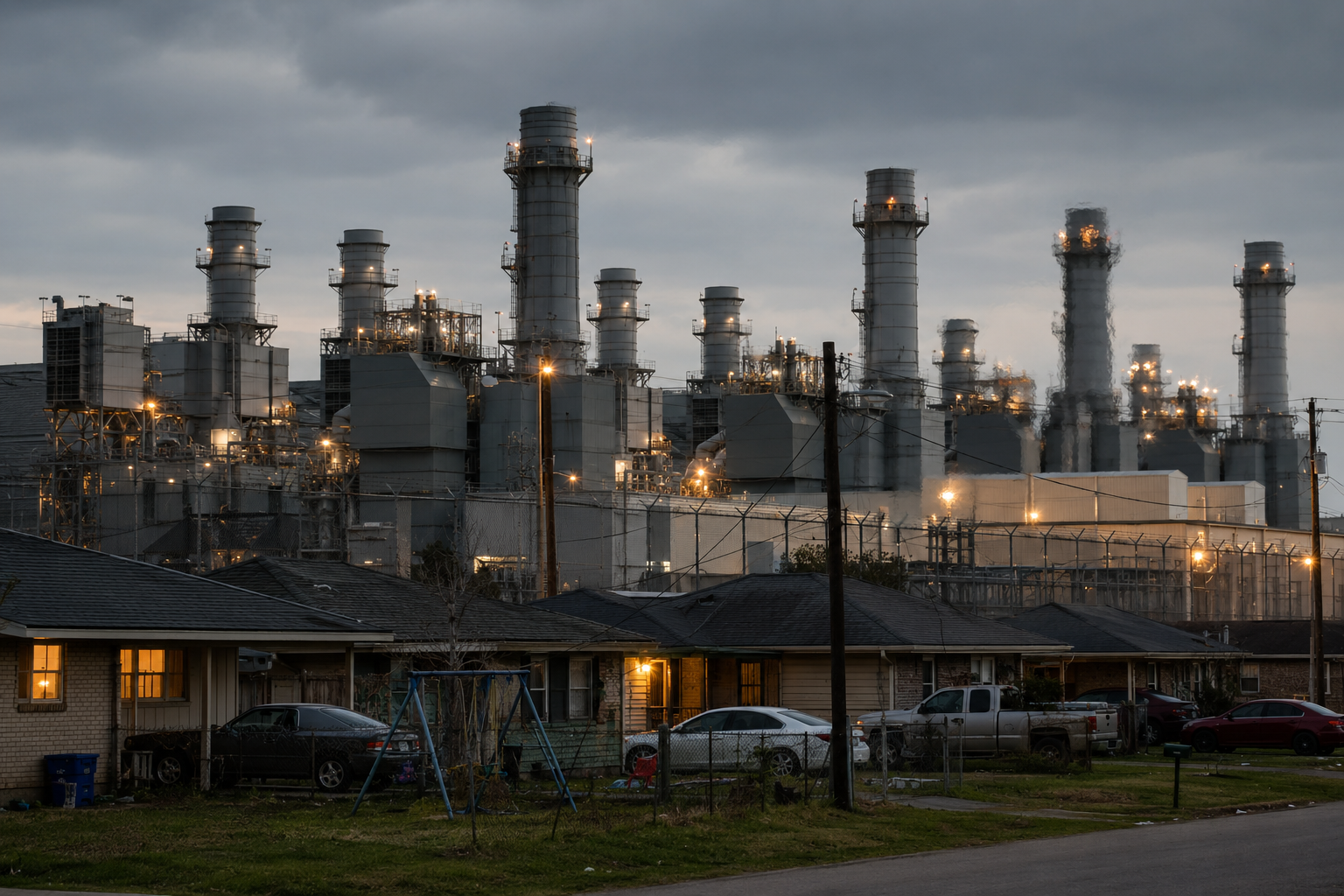
A group of Mississippi residents has filed a class-action lawsuit against two of Elon Musk’s companies, xAI and SpaceX, claiming that a fleet of gas-fired turbines powering a massive data center has turned their neighborhood into a source of round-the-clock noise they cannot escape. The complaint, filed June 9 in federal court, centers on a facility in Southaven and asks to represent more than 10,000 affected residents.
What the Lawsuit Claims
At the heart of the case is a power plant built to feed the enormous electricity demands of xAI’s data center operations in Southaven. According to the filing, dozens of methane gas turbines run at the site — a count that has reportedly climbed past 40 as the facility expanded — generating a constant drone and ground vibration that residents say runs 24 hours a day.
The plaintiffs describe a wall of low-frequency noise with nowhere to hide from it, even inside their own homes. They argue the turbines amount to a public nuisance, and the suit ties the noise to disrupted sleep, emotional distress, and a drop in property values for families who say they never signed up to live next to an industrial power plant.
Why Two Musk Companies Are Named
The lawsuit names both xAI and SpaceX, and the reason traces back to a major corporate shake-up earlier this year. After SpaceX absorbed xAI, Musk’s artificial intelligence venture became part of his broader aerospace empire — which is why both companies now appear together as defendants in the same complaint.
Data centers powering large AI models consume staggering amounts of energy, and companies racing to expand their computing capacity have increasingly turned to on-site power generation to keep up. In Southaven, that meant rows of gas turbines installed close to where people live — and that proximity is now the crux of the legal fight.
A Second Legal Front
The class-action filing does not stand alone. It lands on top of a separate challenge brought earlier this year by the NAACP, which raised its own concerns about the turbines and the air quality in the surrounding community. Together, the two actions put sustained legal pressure on the Southaven operation from different angles — one focused on noise and nuisance, the other on environmental and community health concerns.
The Debate
Supporters of large data-center projects point to the jobs, tax revenue, and infrastructure investment they can bring to a region, and argue that the technology behind them is central to the country’s economic future. Critics counter that the burden of that growth too often falls on the residents who live closest to the facilities — the people who hear the turbines every night and watch their home values slide while the benefits flow elsewhere.
For the families in Southaven, the question is simpler and more immediate: who answers for a sound they say they cannot turn off? The lawsuit will test whether a community can hold some of the world’s most powerful companies accountable for the everyday consequences of an industrial buildout next door.
What This Means for Americans
As the AI boom drives a wave of new data centers across the country, the Southaven case is an early look at a fight likely to spread. Communities everywhere may soon face the same trade-off between high-tech investment and the noise, power demand, and environmental strain that can come with it — making how this lawsuit plays out a preview of battles in towns far beyond Mississippi.
Stay informed on the stories that matter most. Follow Palmedia News on Facebook and bookmark palmedianews.com for breaking news and analysis.