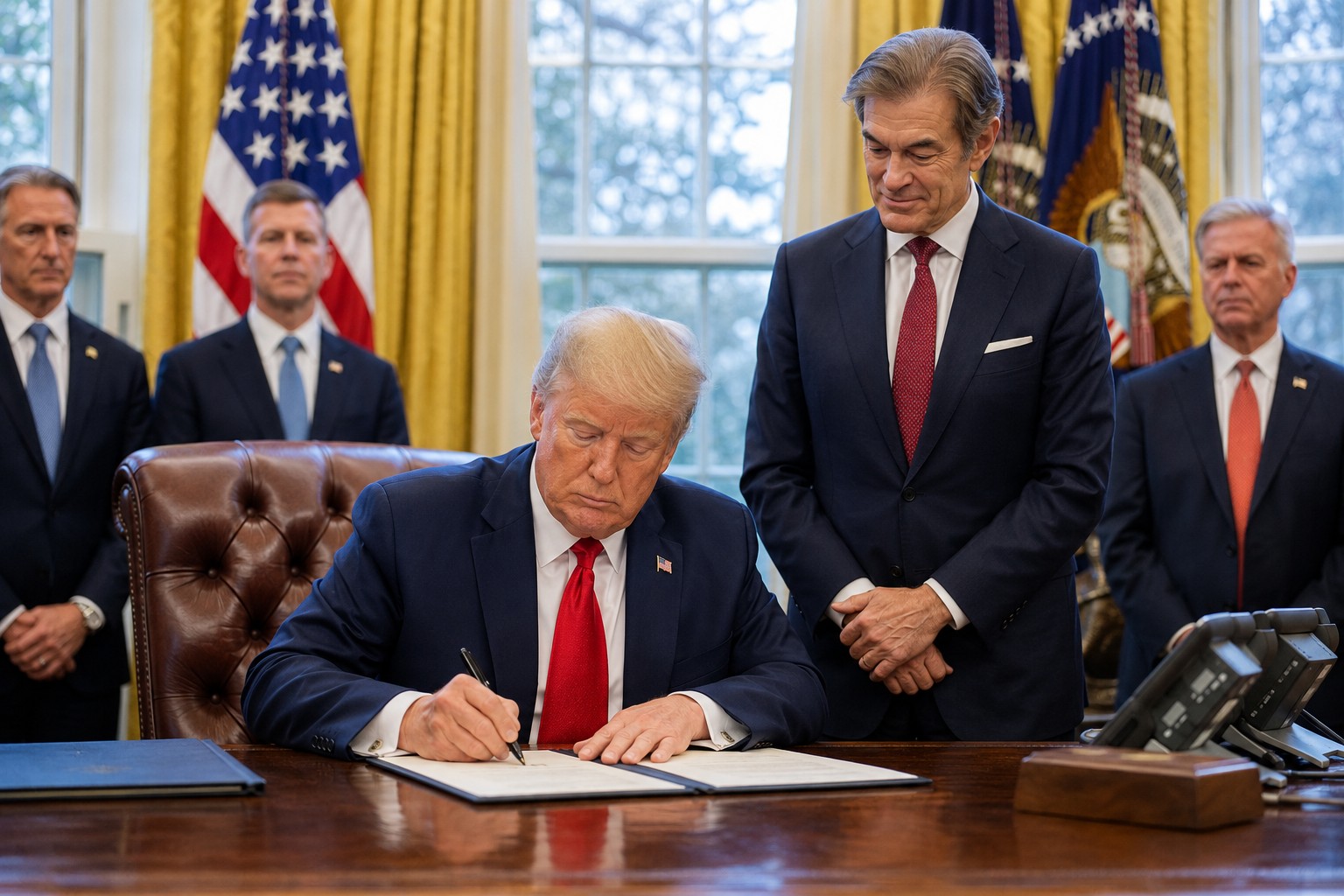
The Trump administration has finalized a rule that will stop federal Medicaid and CHIP dollars from paying for gender transition procedures for anyone under 18. The Centers for Medicare and Medicaid Services (CMS) released the final rule on Tuesday, and it takes effect October 12, 2026.
After that date, the two federal programs that insure tens of millions of low-income and disabled Americans will no longer reimburse what the rule labels “sex-rejecting procedures” for minors. That category, as CMS describes it, includes certain surgeries and hormone treatments tied to gender transition.
What The Rule Actually Does
Medicaid is the joint federal-state health program for low-income families, while the Children’s Health Insurance Program, or CHIP, covers kids in households that earn too much to qualify for Medicaid but still struggle to afford private coverage. The new rule blocks federal money from flowing to gender transition procedures for Medicaid beneficiaries under 18, and it stretches the cutoff to age 19 for CHIP.
President Trump directed CMS Administrator Dr. Mehmet Oz to write the policy. Oz, the former television doctor who now runs the agency, oversees a budget that touches roughly half the country’s hospitals and clinics, which gives the rule broad reach across the health care system.
The regulation is not a blanket ban on every service. CMS said mental health care for these children is not affected and will continue to be covered. The agency also built in a wind-down period: beneficiaries already receiving cross-sex hormone therapy can keep claiming benefits for six months after the rule takes effect, giving families time to plan.
A Fight Years In The Making
The move lands in the middle of one of the most heated policy debates in the country. Over the past several years, more than 20 states have passed their own restrictions on gender-affirming care for minors, and the issue has already reached the Supreme Court. What makes this action different is that it uses the federal government’s spending power rather than a state law, meaning the coverage change applies nationwide wherever Medicaid and CHIP dollars are involved.
Because the rule targets funding rather than banning any procedure outright, private insurance and out-of-pocket care are not directly affected. But for low-income families who rely on Medicaid or CHIP, the practical effect is significant: the federal safety net will no longer help pay for these specific procedures.
Supporters And Critics Square Off
Supporters of the rule argue that taxpayer-funded programs should not pay for gender transition procedures for children, framing the decision as a safeguard for minors who they say are too young to consent to irreversible treatments. They contend the government has a responsibility to set a cautious standard when public money is on the line.
Opponents see it differently. The Trevor Project and other advocacy groups point to research linking this kind of care to better mental health outcomes among transgender youth, and they warn that low-income families will be hit hardest because they have the fewest alternatives. Several organizations have signaled that legal challenges are likely, setting up a courtroom battle over how far Washington can go in restricting coverage.
What This Means For Americans
For most families, nothing changes overnight. But for households that depend on Medicaid or CHIP and have a child receiving or seeking this care, October 12 is a hard deadline. Families currently using hormone therapy have a six-month window before benefits end, and everyone affected will be watching the courts, where the rule’s fate may ultimately be decided.
Stay informed on the stories that matter most. Follow Palmedia News on Facebook and bookmark palmedianews.com for breaking news and analysis.