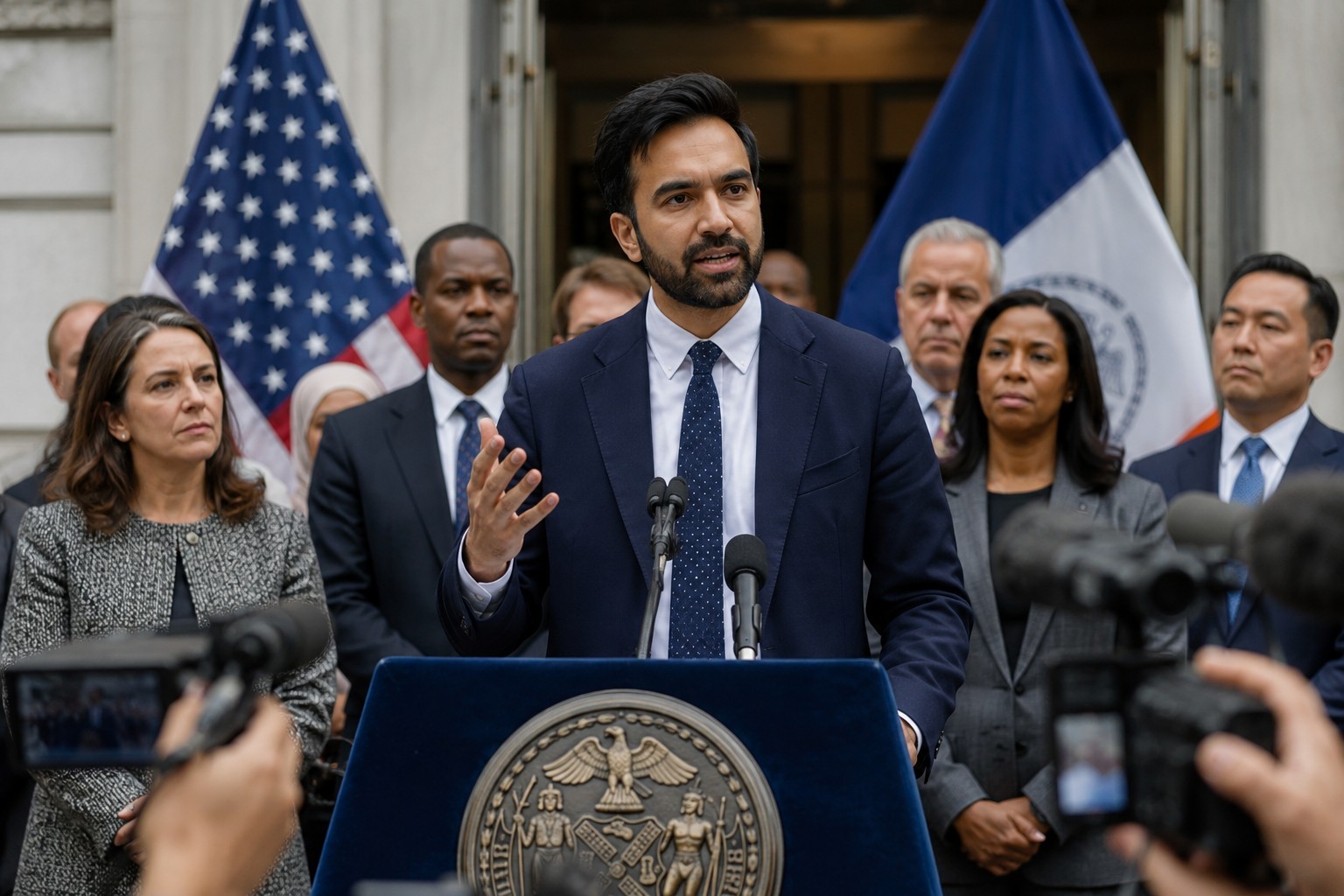
New York City has clawed back more than $10 million from employers accused of shortchanging their workers since the start of this year, and the latest round of settlements puts one of the country’s largest pharmacy chains at the center of the crackdown. Mayor Zohran Mamdani’s administration announced that Walgreens and three other companies will pay more than $2 million in restitution to over 1,600 workers who were denied wages and protections they were legally owed.
The announcement, made alongside the city’s Department of Consumer and Worker Protection (DCWP), marks one of the most aggressive labor-enforcement pushes New York City has seen in years. It also delivers an early, concrete win for a mayor who campaigned on the promise that City Hall would put working people first.
Walgreens Takes the Biggest Hit
Of the four companies named, Walgreens is on the hook for the largest payout. The pharmacy giant agreed to pay more than $1.6 million in restitution to over 570 workers spread across three Brooklyn stores. Investigators with the DCWP found the company repeatedly violated New York City’s Fair Workweek Law, a set of rules designed to give hourly retail and fast-food employees more predictable schedules.
Among the violations: Walgreens failed to give employees the required 72 hours of advance notice for their work schedules, and pushed staff to work additional hours without the notice or consent the law requires. For workers juggling childcare, second jobs, or school, last-minute schedule changes can be more than an inconvenience — they can be the difference between keeping a job and losing it.
Three More Companies Named
Walgreens was not alone. The city also reached settlements with the clothing retailer Calzedonia, the coffee company Kinship Coffee, and Allstar Security. Together with Walgreens, the four employers will pay the combined restitution plus more than $218,000 in civil penalties and costs. The workers receiving payouts range from retail clerks and baristas to security personnel — the kind of jobs that rarely come with the leverage to fight back against a large employer alone.
City officials framed the settlements as proof that New York’s worker-protection laws are not just words on paper. When a company breaks those rules, the message from City Hall was blunt: it will be made to pay back what it owes.
A $10 Million Total — and Counting
The single figure that drew the most attention was the running total. Since Mamdani took office in January, the city says it has now recovered more than $10 million for New York workers — money officials argue employers owed all along. The administration has made labor enforcement a signature theme of its early months, and the DCWP has ramped up investigations into wage theft, scheduling violations, and paid-leave abuses across the five boroughs.
Mamdani, who was sworn in as mayor on January 1 after years representing Astoria, Queens, in the state assembly, is the city’s first Muslim and Asian American mayor. His allies see the enforcement drive as a long-overdue rebalancing of power toward workers who often have little recourse on their own.
Supporters Cheer, Critics Warn
Supporters of the crackdown call it exactly what a big-city government should be doing: using the tools it has to hold powerful companies accountable and return money directly to the people who earned it. Labor advocates have long argued that laws like the Fair Workweek statute only matter if they are actively enforced.
Critics, meanwhile, warn that aggressive enforcement adds pressure on businesses already operating on thin margins in one of the most expensive cities in the country. Some business groups argue that complex scheduling rules are easy to run afoul of unintentionally, and that steep penalties could discourage hiring or expansion.
What This Means for Workers and Shoppers
For the more than 1,600 workers due restitution, the impact is immediate and personal — back pay for hours and protections they were denied. For everyday New Yorkers, the broader signal is that the city intends to police how large employers treat their staff, and that companies doing business in the five boroughs will be expected to follow the rules or face the bill. How that balance plays out between worker protections and business costs is likely to define much of the debate over Mamdani’s tenure.
Stay informed on the stories that matter most. Follow Palmedia News on Facebook and bookmark palmedianews.com for breaking news and analysis.