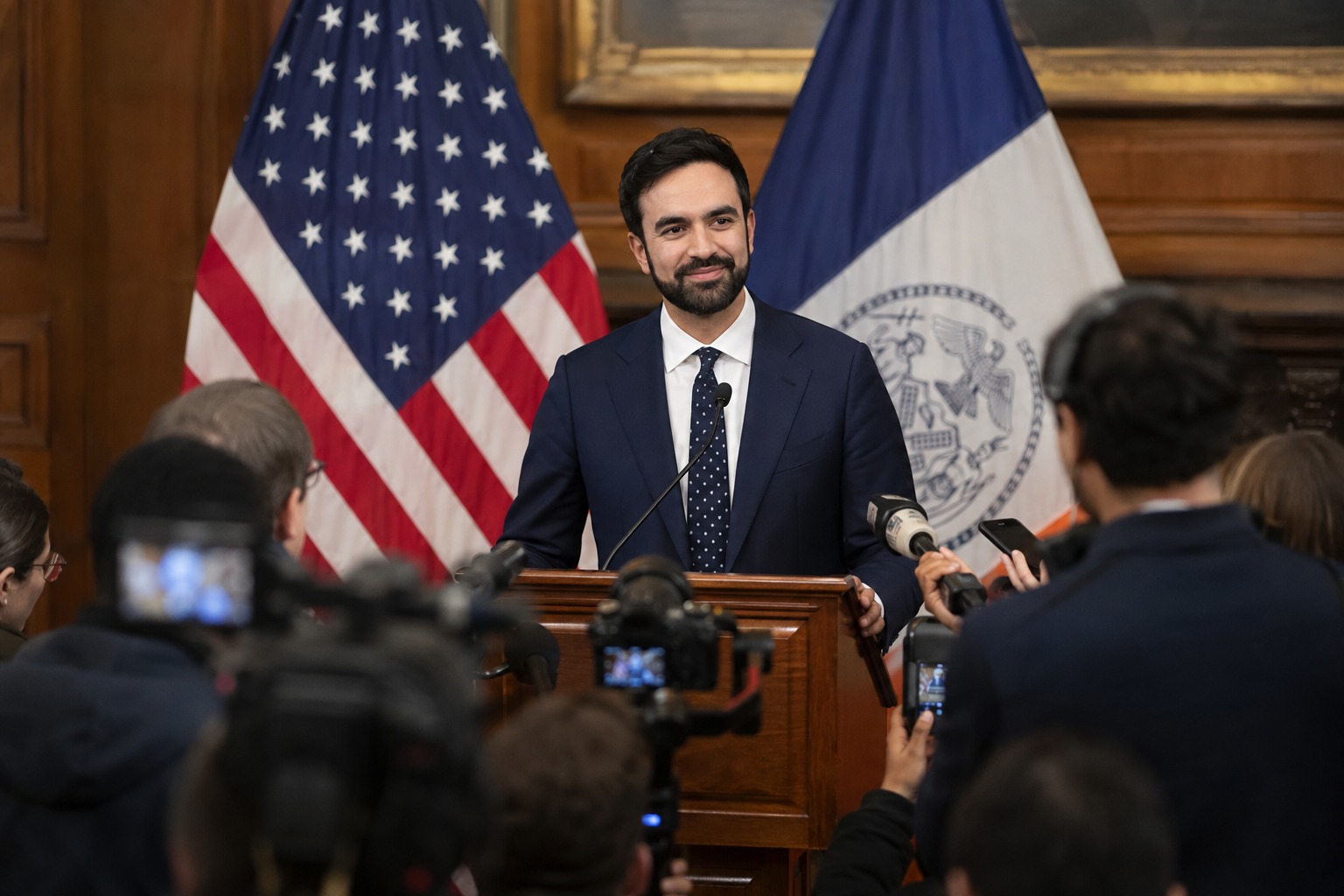
New York City Mayor Zohran Mamdani has recorded the highest favorability rating of his political career. A new Siena College poll finds that 69% of New York City voters now view the mayor favorably, the strongest mark the pollster has ever measured for him and a striking sign of momentum in his first year leading the nation’s largest city.
The survey, conducted August 3 through 6, also found that just 24% of respondents hold an unfavorable view of Mamdani. That gap of more than 40 points is a sharp climb from where his numbers stood during last year’s hotly contested mayoral race, when he was still introducing himself to a citywide electorate.
A Steady Climb Since Taking Office
Mamdani, who took office earlier this year, has watched his standing rise steadily through his first months at City Hall. Favorability is not the same as job approval or vote share, but pollsters treat it as a useful barometer of how a public figure is being received. A 69% favorable rating means roughly seven in ten New Yorkers surveyed said they like the mayor, regardless of whether they agree with every decision he has made.
Siena College is a well-established New York pollster, and its tracking gives a consistent yardstick over time. The firm noted that the 69% figure is the highest it has recorded for Mamdani, suggesting his popularity has grown rather than simply held steady since he entered office.
What Is Driving the Numbers
Supporters point to the mayor’s visibility on the issues that dominate daily life in New York, especially affordability and transit. Housing costs, the price of groceries, and the reliability of the subway remain top concerns for residents, and Mamdani has leaned into those themes since the campaign trail. Being seen as focused on kitchen-table concerns tends to help any politician’s favorability, particularly early in a term before the hardest trade-offs arrive.
His public schedule has kept him in front of voters as well. Frequent neighborhood appearances and direct engagement with residents can reinforce a sense of accessibility, something polls often reward. For a mayor still building a record, presence and tone can matter as much as any single policy.
The Case for Caution
Not everyone reads the number the same way. Critics argue that favorability polls this early in a term reveal little about how a mayor will ultimately be judged, especially once harder budget decisions, labor negotiations, and public-safety debates land on his desk. Early goodwill can fade quickly when a leader is forced to choose between competing priorities.
There is also a note of tension in the broader mood of the city. Some earlier surveys have shown that a majority of residents still feel New York is on the wrong track, even as they express personal warmth toward the mayor. That combination is not unusual. Voters can like a leader while remaining anxious about the direction of their city, and the gap between the two can become a defining challenge for any administration.
What This Means for New Yorkers
For everyday residents, a mayor with strong favorability often has more room to push an agenda through City Hall and to spend political capital on difficult initiatives. Popularity can translate into leverage with the City Council, unions, and state officials in Albany. Whether Mamdani uses that leverage to deliver on affordability and transit is the question that will shape the rest of his term, and the next round of polling will offer the first real test of whether these numbers hold.
Stay informed on the stories that matter most. Follow Palmedia News on Facebook and bookmark palmedianews.com for breaking news and analysis.