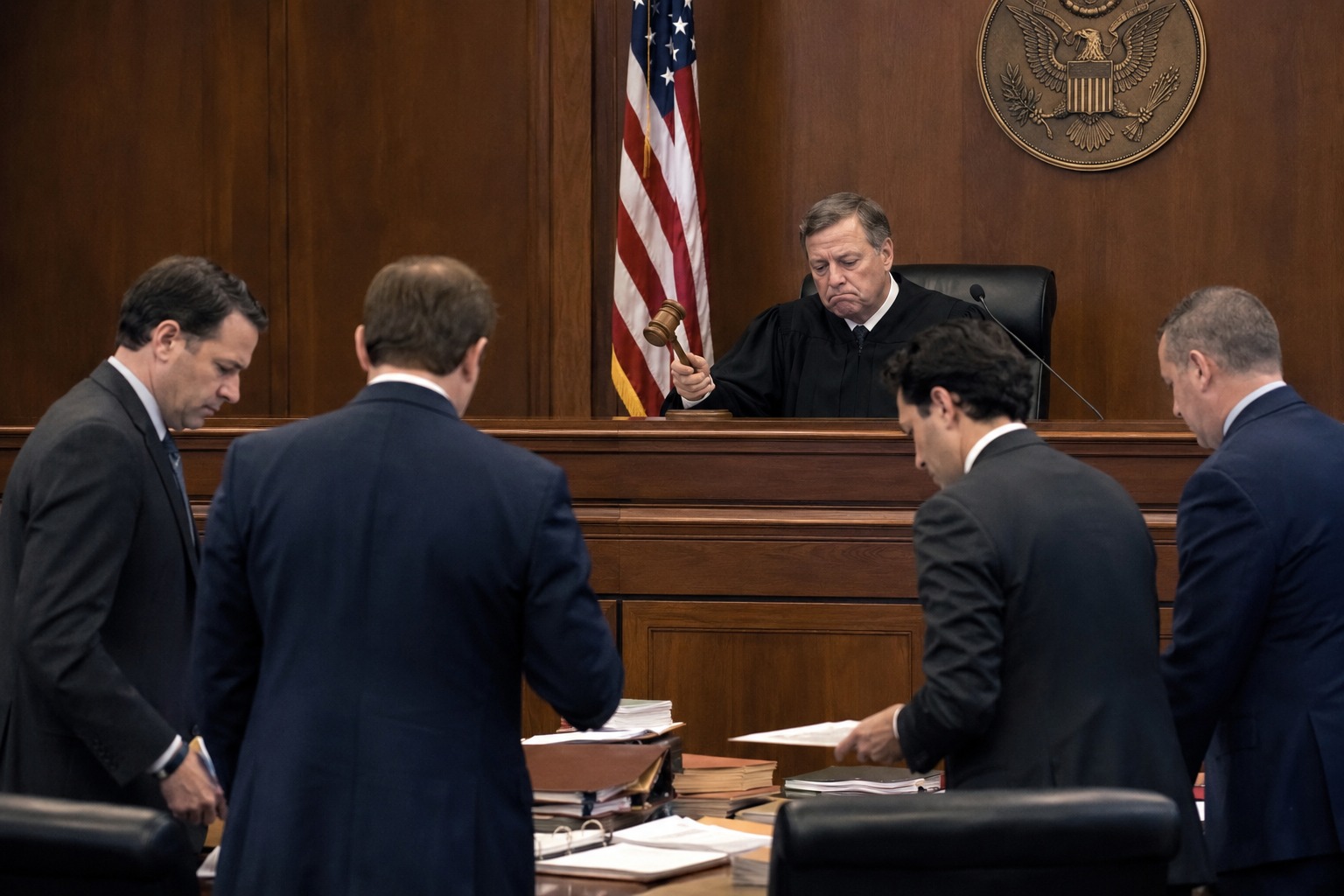
It is officially over. A federal judge has dismissed the last remaining criminal case tied to the January 6, 2021 attack on the U.S. Capitol — and he made clear he did so only because he believed the law left him no other choice. With a single order, U.S. District Judge Timothy Kelly wiped away the final active prosecution from what had been the largest criminal investigation in the history of the Justice Department.
Kelly, who was appointed to the federal bench by President Donald Trump, dismissed all remaining charges against four members of the Proud Boys: Ethan Nordean, Joseph Biggs, Zachary Rehl, and Dominic Pezzola. The dismissal was granted with prejudice, meaning the government can never bring these charges again.
How the Case Reached This Point
Three of the four men — Nordean, Biggs, and Rehl — had been convicted of seditious conspiracy, one of the most serious charges in the federal code. It accuses defendants of plotting to oppose by force the authority of the United States government itself. Prosecutors argued the group helped lead the breach of the Capitol as Congress met to certify the 2020 presidential election. Pezzola was acquitted of the seditious conspiracy count but convicted of other felonies, including using a stolen police riot shield to smash a Capitol window.
Those convictions once represented a landmark moment for the Justice Department, which had spent years building cases against hundreds of people who entered the Capitol that day. The seditious conspiracy verdicts were among the highest-profile outcomes of the entire effort.
Why the Judge Stepped Aside
The Justice Department asked the court to drop the case, calling dismissal in the interest of justice. DOJ pointed to an executive order President Trump signed in January 2025 that pardoned and commuted the sentences of the defendants, along with Proud Boys chairman Enrique Tarrio and hundreds of others charged in connection with the riot.
Kelly did not hide his discomfort. In his order, he wrote that no one should mistake the court’s decision to grant the government’s motion for agreement with it. The choice to abandon the prosecution, he stressed, belonged solely to the Executive Branch. A court, he explained, lacks the authority to force the government to pursue a case — particularly when an executive order explicitly directs prosecutors to seek dismissal with prejudice. In plain terms, the judge believed he had no legal path to refuse.
Reactions and Implications
Supporters of the four men and of the broader clemency effort called the ruling long overdue, arguing the defendants were punished excessively for their role in a chaotic day and deserved to have their records cleared. To them, the closure of the case is a correction of what they view as politically driven prosecutions.
Critics see it very differently. They argue that verdicts reached by juries — including for a man who was recorded breaking a Capitol window with a stolen shield — have now been erased by executive action rather than by the courts. For them, the dismissal marks a stunning rewrite of accountability for an attack on the seat of American government.
What This Means for Americans
Beyond the legal specifics, the ruling closes one of the most consequential chapters in recent American history. Whether a citizen views the January 6 defendants as victims or as offenders, the outcome underscores just how much power the presidency holds over federal prosecutions. Pardons and commutations can reshape even the most serious cases, and this decision shows that reach extending all the way to the final open file.
Stay informed on the stories that matter most. Follow Palmedia News on Facebook and bookmark palmedianews.com for breaking news and analysis.