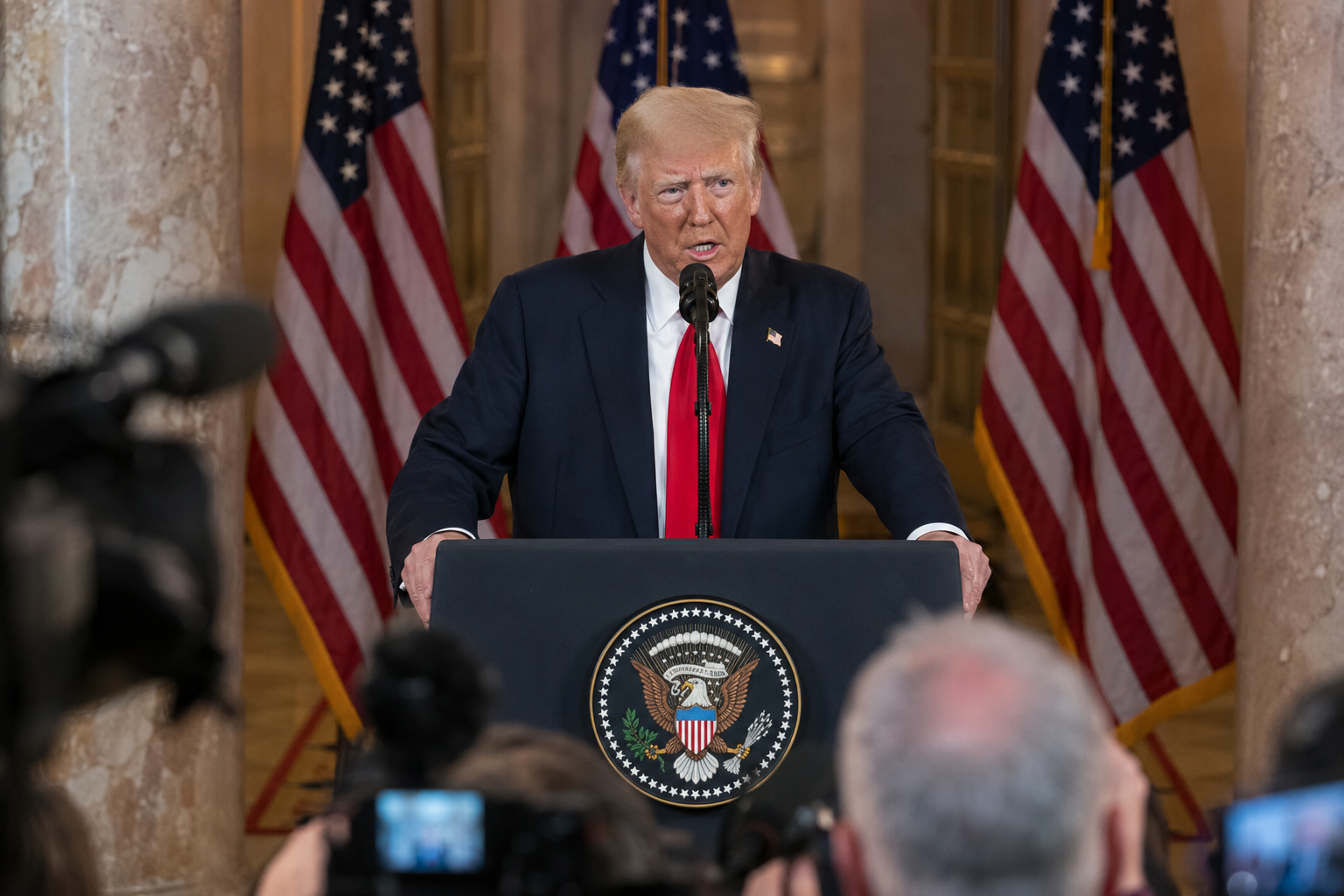
The fight over whether to impeach President Donald Trump has returned to the center of American politics, with multiple resolutions now filed in the 119th Congress and lawmakers sharply divided over how — and whether — to proceed.
The renewed push has reignited one of the most contentious debates in Washington, pitting members who say the President’s conduct demands a constitutional reckoning against those who dismiss the effort as a doomed political exercise. With the resolutions stacking up and neither side backing down, the question of impeachment is once again unavoidable.
Resolutions Pile Up in the House
Several impeachment resolutions targeting President Trump have been introduced during the current Congress, with sponsoring members citing claims of abuse of presidential power. Each filing has followed a similar pattern: a member or small group of members formally introduces articles, drawing immediate attention and just as immediate resistance from leadership wary of forcing a politically charged floor fight.
The most recent and most visible push was forced to a vote in December. Rather than debate the articles on their merits, the House moved to table them — effectively setting them aside — by a margin of 237 to 140. Notably, dozens of Democrats declined to take a firm position, voting “present” instead of backing the effort outright. That split underscored a divide not just between the two parties, but within the ranks of those who might otherwise be expected to support impeachment.
Two Very Different Arguments
Supporters of the resolutions argue that the filings reflect serious constitutional concerns that deserve a full and public hearing — not a quick procedural burial. In their view, the act of introducing articles is itself a form of accountability, placing concerns about presidential conduct on the official record even if removal is unlikely. They contend that declining to even debate the charges sends the wrong message about congressional oversight.
Critics see it very differently. They characterize the repeated filings as a political distraction with no realistic path forward, pointing to the steep constitutional math involved. Even if the House were to impeach, conviction and removal would require a two-thirds supermajority in the Senate — a threshold that, under the current makeup of the chamber, is widely considered out of reach. From this perspective, the resolutions are symbolic gestures that consume political oxygen without changing anything.
Why the Numbers Matter
The American impeachment process is deliberately difficult. The House can impeach a president with a simple majority, but that step alone does not remove anyone from office. It functions more like an indictment. The actual trial takes place in the Senate, where a two-thirds vote is required to convict — a bar that has never been cleared in the nation’s history for a sitting president.
That structural reality shapes every calculation on Capitol Hill. It explains why leadership has been reluctant to schedule debate, why some members vote “present” rather than commit, and why critics dismiss the resolutions as futile. It also explains why supporters frame the fight in terms of principle rather than outcome — they know the votes for removal almost certainly are not there.
What This Means for Americans
For ordinary Americans, the debate is about more than one president. It touches on how the country handles questions of accountability at the highest level, how Congress balances oversight against political reality, and how deeply divided the electorate has become on fundamental questions of governance. Whether the resolutions go anywhere or not, they reflect a public that remains split — and a political system straining to process that division.
With the country divided and the votes stacking up on both sides, the debate over whether the President should be impeached shows no sign of cooling off. The question now lands squarely with the public.
Stay informed on the stories that matter most. Follow Palmedia News on Facebook and bookmark palmedianews.com for breaking news and analysis.