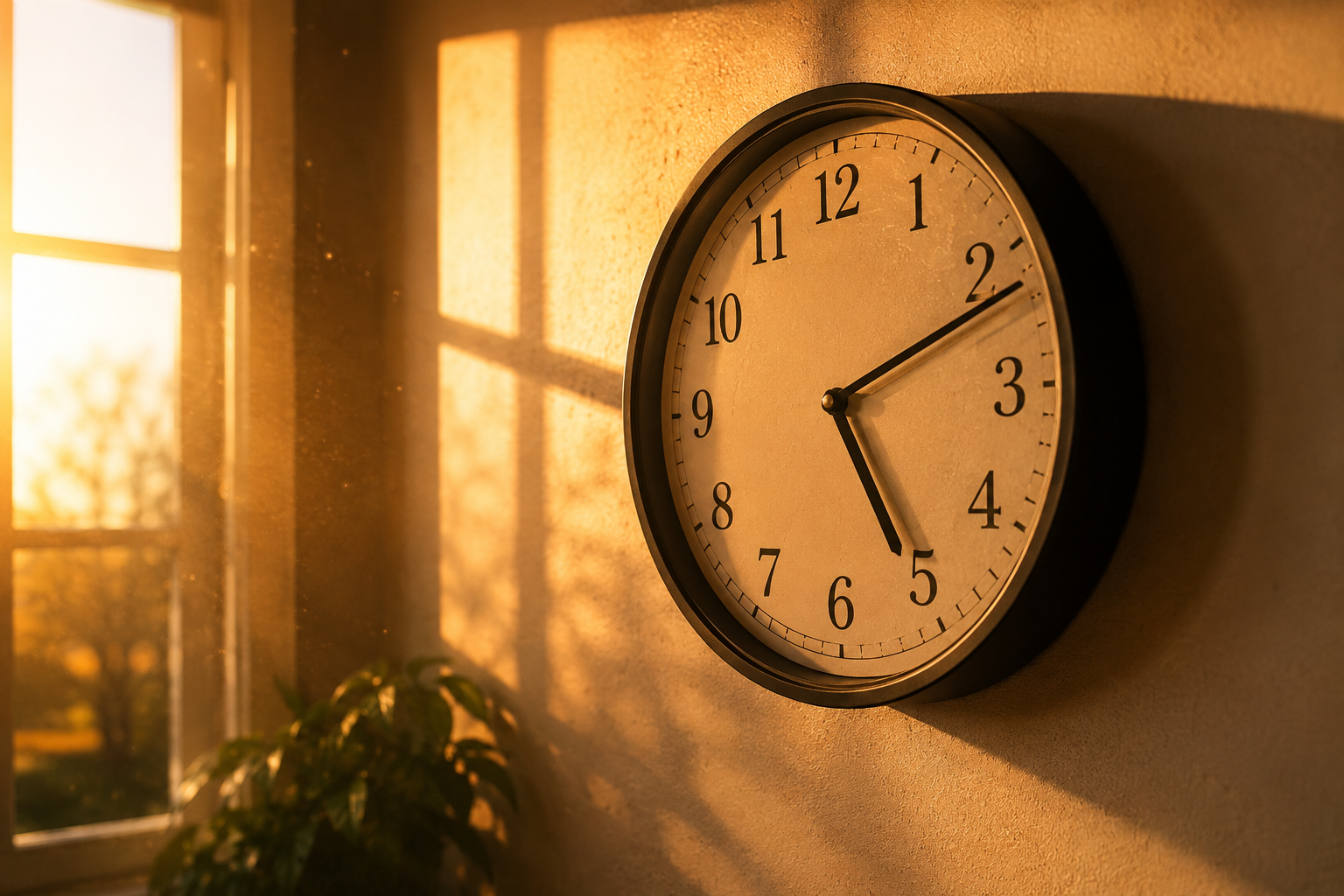
The twice-a-year ritual of changing the clocks could soon be a thing of the past. The U.S. House of Representatives has passed a bill that would make daylight saving time permanent, a move that would put an end to the springing forward and falling back that Americans have grumbled about for generations.
The measure, known as the Sunshine Protection Act, now heads to the Senate, where the fate of the nation’s clocks will be decided. President Trump has signaled his support for ending the practice, adding fresh momentum to a debate that has simmered in Washington for years.
What the Bill Would Do
Under the legislation, the country would lock onto daylight saving time year-round. In practical terms, that means the clocks would no longer be set back an hour in the fall or moved forward an hour in the spring. Americans would keep the extra hour of evening daylight through the winter months, and the disruptive overnight clock change each March and November would disappear.
The idea is not new. Congress has flirted with making daylight saving time permanent before, and a similar effort cleared the Senate in recent years only to stall in the House. This time, the order is reversed: the House has acted first, sending the question to the Senate to break the long-running stalemate.
Why Supporters Want the Change
Backers of the bill argue that the constant switching of the clocks does real harm. They point to research linking the days immediately after each time change to disrupted sleep, lost productivity, and even short-term increases in health risks such as heart problems and traffic accidents. For many families, the change is simply an annoyance that throws off schedules for children, workers, and older Americans alike.
Supporters also say permanent daylight saving time would give people more usable daylight in the evening, when most Americans are off work and able to enjoy it. Longer, brighter evenings, they argue, are good for local businesses, outdoor recreation, and public safety.
The Case Against It
Not everyone is convinced. Some sleep scientists argue the opposite, warning that permanent daylight saving time is actually the less healthy choice. They favor permanent standard time instead, saying it keeps morning light better aligned with the body’s natural rhythm and makes it easier to wake up and fall asleep.
The trade-off is most noticeable in winter. Under permanent daylight saving time, the sun would not rise until well after 8 a.m. in some parts of the country during the darkest months of the year, meaning many people would head to work or school before dawn. Critics say that could create its own set of problems, particularly for early risers and children waiting for the bus in the dark.
What Happens Next
The bill’s future now rests with the Senate, which has stalled on similar proposals before. If senators pass the measure and it is signed into law, the familiar rhythm of changing the clocks twice a year could finally come to an end. If the Senate declines to act, the current system stays in place and the debate rolls on to another year.
What This Means for Americans
For everyday Americans, the outcome touches something surprisingly personal: the hour on the clock and the light outside the window. A permanent switch would reshape morning and evening routines for millions of households, from commuters and shift workers to parents and students. Whether that change is welcome or unwelcome may depend on where you live and whether you value brighter mornings or longer evenings.
Stay informed on the stories that matter most. Follow Palmedia News on Facebook and bookmark palmedianews.com for breaking news and analysis.