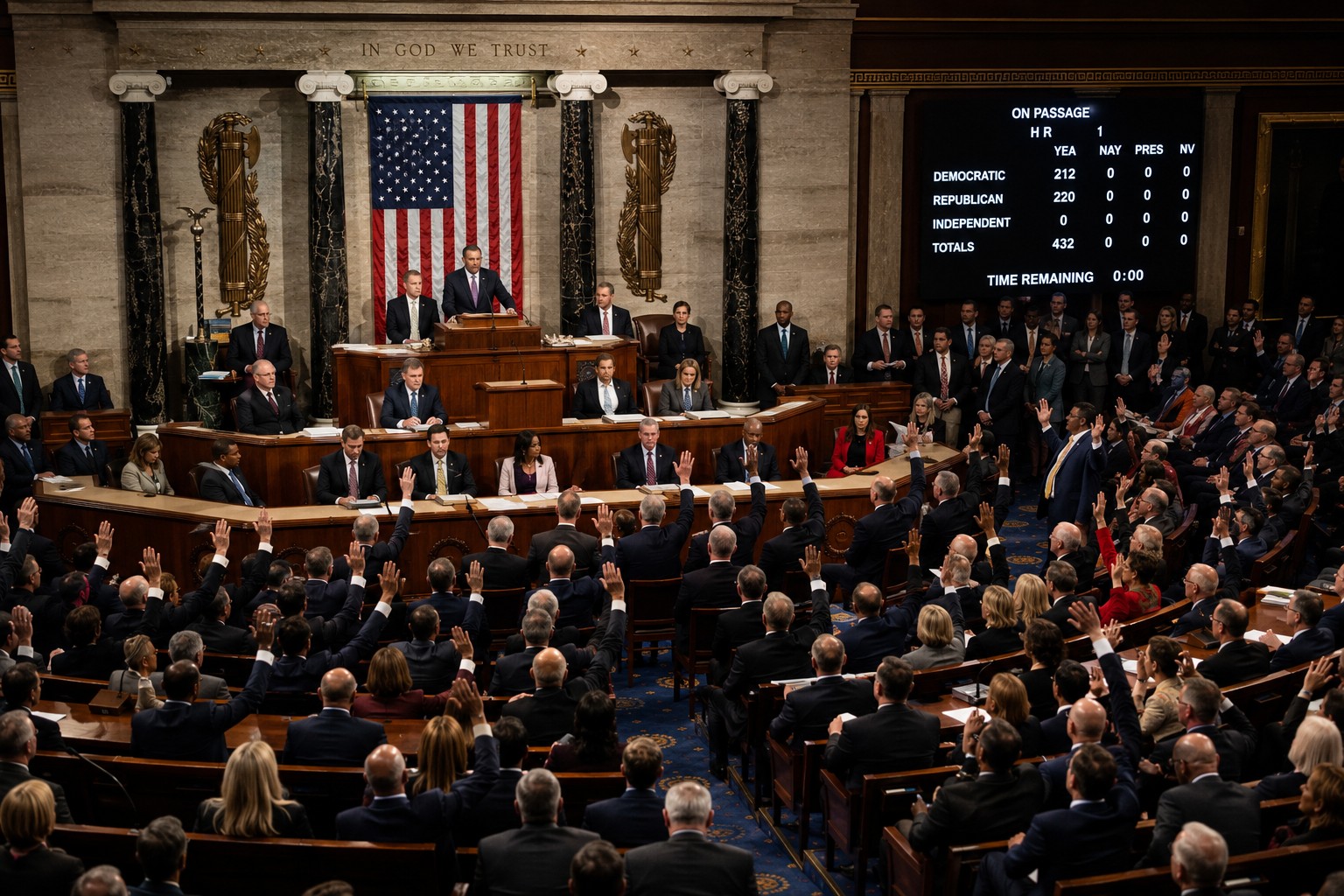
In a moment of near-total agreement that almost never happens in Washington, the House of Representatives voted 420-0 to force the public disclosure of every lawmaker who used taxpayer money to settle misconduct claims. Not a single member voted against it.
The measure, introduced by Rep. Thomas Massie of Kentucky, directs the Office of Congressional Workplace Rights and the House Ethics Committee to preserve and publicly release the relevant records within 60 days. The result will be a single consolidated list naming the members involved, alongside the total dollar amounts that were paid out on their behalf.
Why This Vote Matters
For years, these settlements were shielded from public view. When a claim was made against a member of Congress or a congressional office, the money used to resolve it often came from public funds — and the identities of those responsible stayed hidden behind a wall of confidentiality agreements and bureaucratic process.
That system drew intense criticism once it came to light. Congress officially ended the practice of using public money to pay such settlements back in 2018, after a wave of scrutiny over how workplace complaints on Capitol Hill were being quietly handled. But ending the practice going forward did nothing to reveal who had already benefited from it. The names behind the older settlements remained sealed — until now.
What the Resolution Requires
Massie’s resolution is specific. It orders the Office of Congressional Workplace Rights and the House Ethics Committee to compile and release, within 60 days, a consolidated list of members who had settlements paid out, along with aggregate totals. Records already surfaced through separate efforts showed that more than $300,000 in taxpayer funds had been used to resolve allegations tied to House members or their offices.
Supporters framed the vote as a straightforward matter of accountability. If public money was spent to make a problem go away, the argument goes, the public has a right to know whose problem it was and how much it cost. The lopsided tally — 420 in favor, zero opposed — suggests that, at least on the question of transparency itself, there was almost nothing left to debate.
The Lone Dissenting Voice
The vote was not entirely unanimous in spirit. Rep. Nancy Mace of South Carolina was the lone member to vote “present” rather than yes. Mace argued that the measure amounted to political theater, saying she had already obtained similar records through her own subpoena efforts and that the resolution largely duplicated work already underway.
Her stance underscores a broader tension: even when lawmakers agree on the goal of transparency, they can still clash over who gets credit for delivering it and whether a formal House vote adds anything to steps already in motion.
What This Means for Americans
For everyday taxpayers, the stakes are simple. The money used in these settlements was public money — dollars collected from working Americans. Within two months, the public could finally see exactly who signed off on these payments and how much the taxpayers footed the bill. That kind of disclosure is rare, and it sets a precedent for how Congress handles accountability going forward.
The question now hanging over Capitol Hill is a pointed one: when that consolidated list finally becomes public, whose names will be on it?
Stay informed on the stories that matter most. Follow Palmedia News on Facebook and bookmark palmedianews.com for breaking news and analysis.