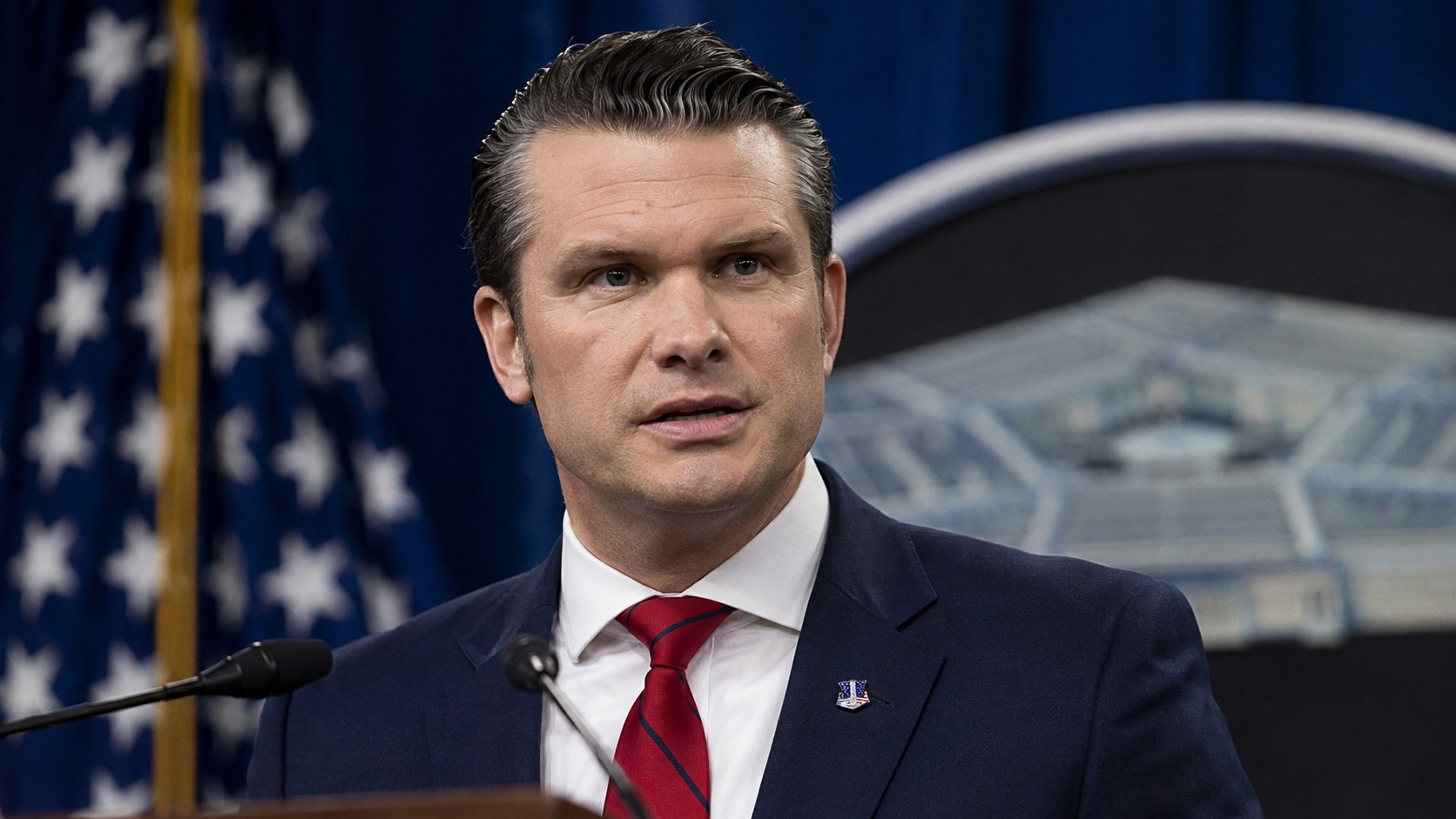
The number of women rising into the top ranks of the U.S. military has fallen to one of its lowest points in years, and the trend traces directly to the office of Defense Secretary Pete Hegseth. Since taking over the Pentagon, Hegseth has personally intervened in the promotions of more than a dozen senior officers — an unusual level of hands-on control over a process that for generations has been left largely to military boards.
A Sharp Shift at the Top
Military promotions to the general and flag-officer level normally follow a slow, deliberate path. Boards of senior officers evaluate candidates, forward their recommendations, and the names move up the chain with only light political review. That system was designed to keep politics out of who leads America’s armed forces. Under Hegseth, that buffer has thinned considerably.
The result is a leadership pipeline that looks very different than it did a year ago. Officers who spent decades climbing toward the military’s highest positions have watched the ladder pulled up behind them, and the share of women advancing into those roles has dropped to a level not seen in years.
The Details
In one case that drew national attention, four officers were removed from a one-star Army promotion list. Two of them were women. Two were Black. Military officials described the move as unprecedented, noting that a defense secretary rarely reaches down to strike names from a board’s recommended list.
It was not an isolated event. Reporting indicates Hegseth has stepped into the promotion cases of more than a dozen senior officers since taking office, repeatedly blocking or delaying advancements. Each individual decision may draw its own explanation, but the cumulative effect is measurable: fewer women reaching the top, and a visible reshaping of who gets to lead.
Hegseth has been open about his skepticism toward diversity programs in the armed forces. He frames his decisions as a return to what he calls a focus on lethality, readiness, and standards — arguing that promotions should be based strictly on warfighting capability rather than demographic goals.
Reactions and Implications
Supporters say Hegseth is doing exactly what he was appointed to do — cutting politics out of the promotion process and refocusing the military on its core mission. They argue that leadership should be earned on merit alone, and that scrutiny of the promotion pipeline is overdue.
Critics counter that he is not removing politics but injecting a different kind of it, quietly filtering out officers based on who they are rather than how they perform. They warn that sidelining experienced leaders — including women who have commanded troops for decades — risks draining the military of hard-won expertise at the exact moment it is needed most. The Pentagon has defended the interventions as squarely within the secretary’s legal authority.
What This Means for Americans
Who leads the U.S. military is not an abstract question. Those officers make decisions that affect service members, their families, and national security for years to come. A leadership corps chosen through a dramatically changed process — one now shaped heavily by a single official’s judgment — is a shift every American has a stake in understanding, regardless of where they land on the underlying debate.
Stay informed on the stories that matter most. Follow Palmedia News on Facebook and bookmark palmedianews.com for breaking news and analysis.