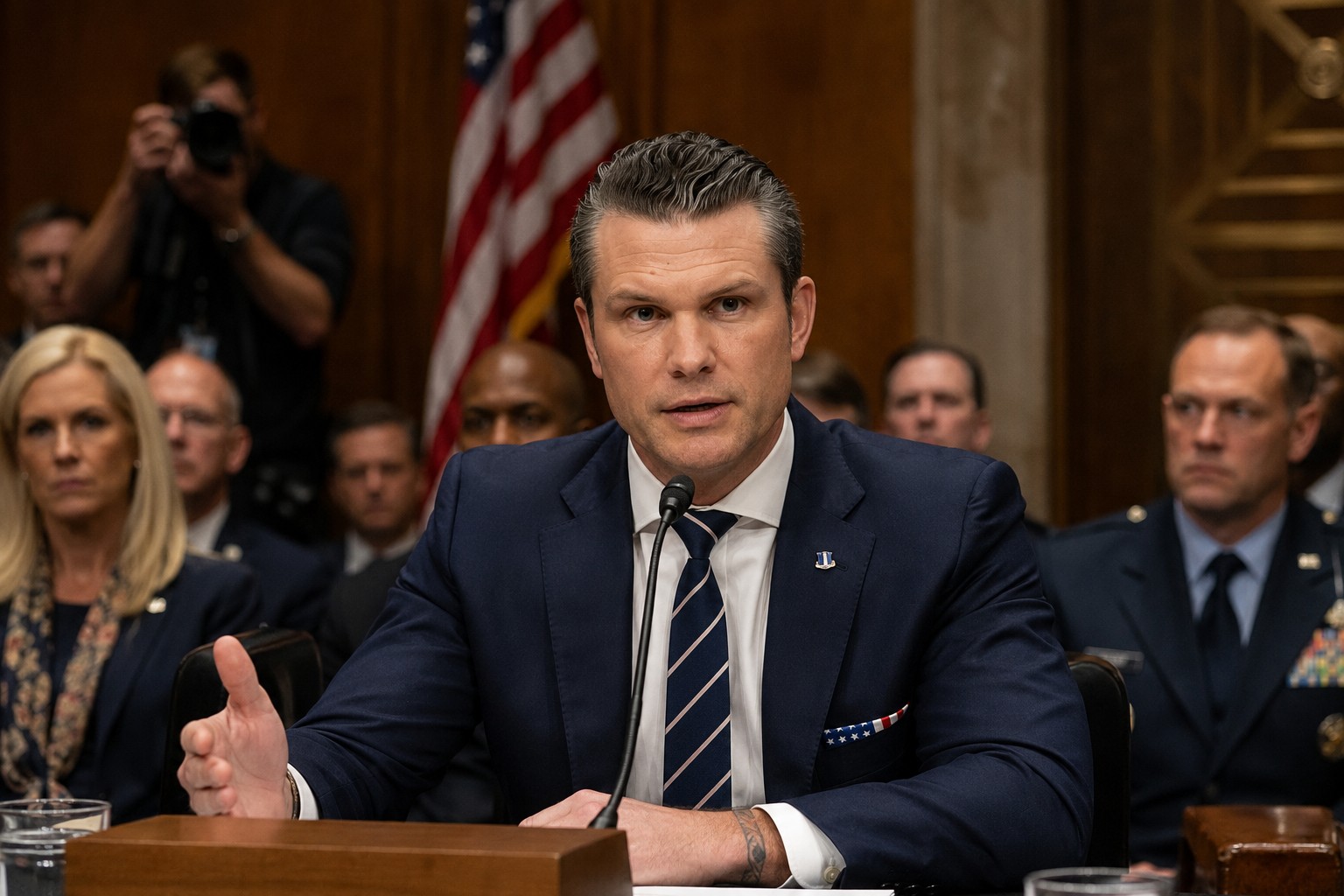
Defense Secretary Pete Hegseth told a Senate committee on Monday that the war in Iran has cost the United States $37.5 billion so far, the first time the administration has attached an official price tag to the conflict. The number surfaced during a tense hearing as the Pentagon pressed lawmakers for billions of dollars more to keep the operation running.
A War With a Growing Price Tag
The $37.5 billion figure represents the cost of military operations to date. Hegseth presented it as he defended a fresh funding request, telling senators the money has gone toward sustained operations, munitions, logistics and the deployment of American forces across the region. But the estimate immediately drew scrutiny from lawmakers who questioned whether it captured the full scope of what the country has already spent, and what it will spend going forward.
For weeks, the true cost of the conflict has been a moving target. Officials have signaled that the Pentagon could ultimately seek as much as $200 billion in additional funding, a staggering sum that would dwarf the current estimate. Pressed on that possibility, Hegseth acknowledged the number “could move” depending on how long the fighting continues and how the campaign evolves.
A Combative Hearing
The hearing turned combative quickly. Senators from both parties pushed Hegseth to explain where the money has gone, how it is being tracked, and what the endgame looks like. Some demanded a clearer accounting of the funds already spent before Congress signs off on any new request. Others zeroed in on the timeline, asking how long American forces would remain committed and what would count as success.
Several members openly questioned whether the official $37.5 billion estimate told the whole story. They argued that once long-term commitments — equipment replacement, extended deployments, medical care and reconstruction — are factored in, the real cost could climb far higher than the number Hegseth put on the table. That skepticism set the tone for a debate that is only beginning.
The Fight Over Funding Moves to Congress
Hegseth’s appearance was designed to make the case for more money, but it also underscored how divided Congress remains over the war. Supporters of the funding argue that pulling back now would waste the investment already made and undercut American forces in the field. Critics counter that lawmakers are being asked to write an open-ended check for a conflict with no clear cost ceiling and no firm timeline.
The decision now rests with Congress, which must weigh the Pentagon’s request against mounting concern about the price. With the possibility of a $200 billion follow-on ask looming, lawmakers face a politically charged vote over how much more the country is willing to spend — and for how long.
What This Means for Americans
Every dollar spent on the war is a dollar drawn from the federal budget, and the bill ultimately lands on American taxpayers. A conflict that has already cost $37.5 billion — with the prospect of far more to come — will shape debates over spending, deficits and national priorities for months. How Congress answers the Pentagon’s request will say a great deal about the country’s appetite for a prolonged and expensive commitment abroad.
Stay informed on the stories that matter most. Follow Palmedia News on Facebook and bookmark palmedianews.com for breaking news and analysis.