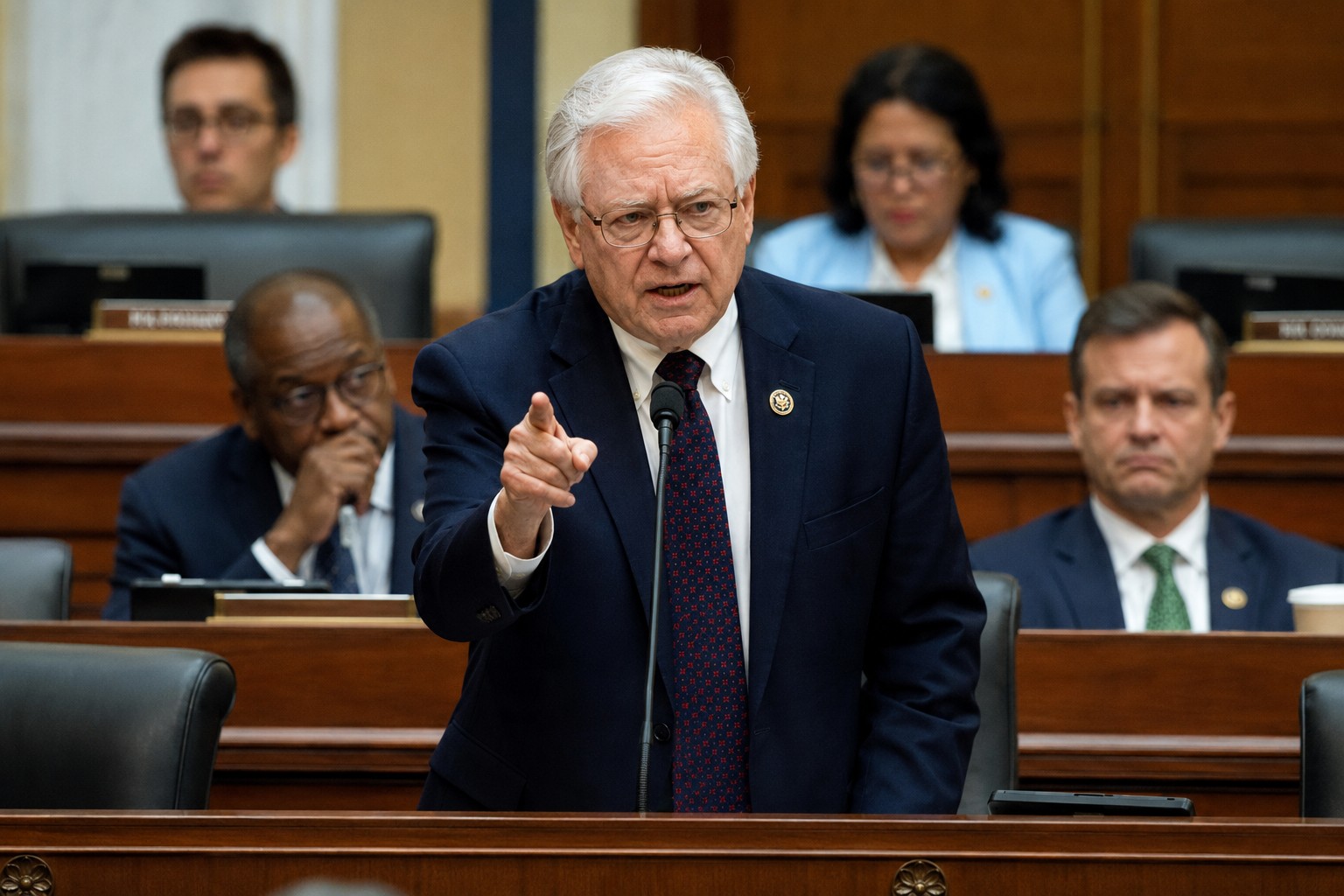
A senior House Democrat has moved to block Pentagon money from being spent on President Donald Trump’s new White House ballroom, filing an amendment that would bar at least $150 million in military funds from the high-profile construction project. The push sets up a fresh fight over how the ballroom gets paid for — and who ultimately foots the bill.
Who Filed the Amendment
Rep. John Garamendi of California, a senior member of the House Armed Services Committee, introduced the measure as an amendment to the annual defense bill. The legislation — the National Defense Authorization Act — is the sprawling yearly package that sets policy and spending priorities for the U.S. military, and it moves through Garamendi’s committee before it ever reaches the House floor.
Garamendi’s argument was direct. In his view, money appropriated for national defense should never be redirected to a construction project on the White House grounds. “Defense dollars should be spent on our service members, military families, readiness, shipbuilding and replenishing critical munitions — not on a White House ballroom,” he said.
The Bigger Fight Over the Ballroom
Garamendi’s amendment is only the latest front in a monthslong battle over funding the ballroom. Earlier, Republicans floated a separate proposal to steer roughly $1 billion into White House security upgrades tied to the project. Democrats vowed to fight that plan, arguing that voters worried about everyday affordability had little appetite for a nine-figure investment in a ballroom.
That $1 billion proposal did not survive. Senate Republicans ultimately stripped the security funding out before the underlying bill advanced, and the measure eventually passed both chambers of Congress with no Democratic support. But the removal of that pot of money did not end the debate — it simply shifted the terrain to the defense budget, where Garamendi is now trying to draw a second hard line.
Why It Matters
At its core, the dispute is about priorities and precedent. The Pentagon’s budget funds everything from sailors’ paychecks to shipbuilding to restocking munitions that have been drawn down in recent years. Critics of tapping those funds for the ballroom say every dollar spent on the project is a dollar not spent on military readiness at a moment when defense planners are warning about strained resources.
Supporters of the ballroom counter that the amendment is a political maneuver aimed squarely at the President rather than a genuine budget concern. They note that large defense bills routinely attract amendments designed to force uncomfortable votes, and they argue the ballroom funding is a fraction of an enormous overall budget.
What Happens Next
The immediate question is procedural: whether Garamendi’s amendment survives the committee process or gets quietly set aside before it can reach a floor vote. Amendments like this one often become bargaining chips, folded into larger negotiations or dropped entirely as lawmakers assemble the final defense package.
For everyday Americans, the fight is a window into how competing priorities collide inside a single massive spending bill. The same legislation that determines military pay and equipment can also become the battleground for disputes over a single construction project — and how that battle ends will signal how far Congress is willing to go to police where defense dollars can and cannot flow.
Stay informed on the stories that matter most. Follow Palmedia News on Facebook and bookmark palmedianews.com for breaking news and analysis.