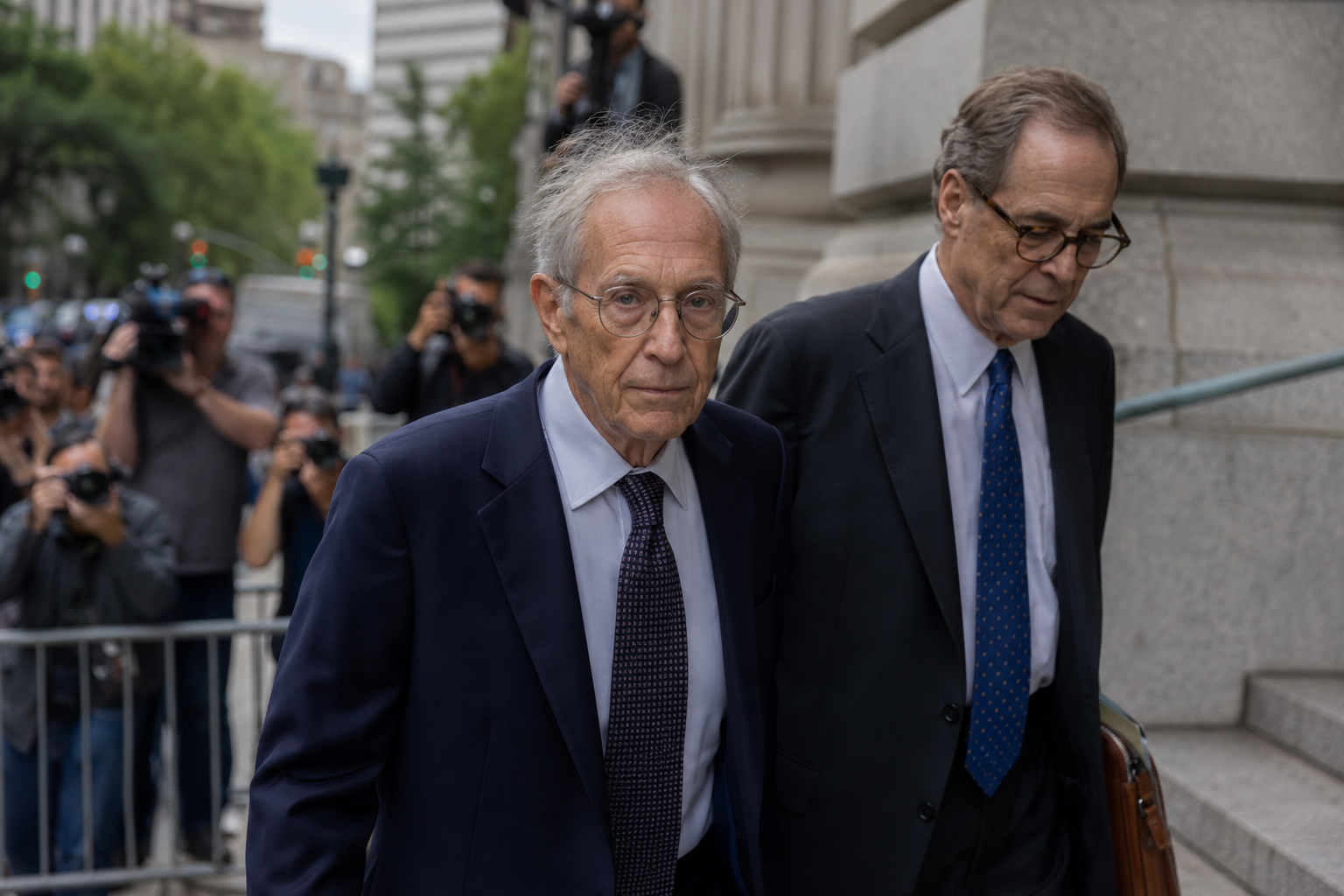
Dr. David Morens, who served as a senior scientific adviser to Dr. Anthony Fauci at the National Institute of Allergy and Infectious Diseases throughout the Covid-19 pandemic, pleaded guilty in federal court this week to conspiracy to defraud the United States. The 78-year-old admitted to taking part in a scheme that prosecutors say was designed to keep federal records about coronavirus research grants out of public view. He faces up to five years in prison and a fine of up to $250,000 when he is sentenced in November.
What Morens Admitted To
The case comes down to email. Prosecutors say that beginning in April 2020, as Freedom of Information Act requests started arriving at the agency over its coronavirus research grants, Morens moved sensitive discussions onto his personal email account instead of his government one. A federal employee’s work correspondence is a public record subject to disclosure. A private account is far harder for the public to reach.
The indictment, returned in April of this year, framed that shift as deliberate rather than a matter of convenience — an effort to defeat the disclosure process itself. The Justice Department also alleged Morens concealed or destroyed records of discussions tied to those grants, including an effort to revive a controversial coronavirus research grant that had been pulled.
Morens had already apologized to Congress in earlier hearings over how he handled federal recordkeeping. The guilty plea converts what was once a congressional dispute into a federal criminal conviction.
Years of Scrutiny
Morens spent decades inside NIAID and was one of Fauci’s closest scientific advisers during the pandemic response. For the past two years he has been a central figure in the congressional fight over the origins of Covid-19. A House select subcommittee questioned him publicly in May 2024 about his email practices, and Sen. Rand Paul pressed the Justice Department to open an investigation into his conduct.
That pressure campaign has now produced a conviction — though not on the question that started it. Morens pleaded guilty to concealing records, not to any wrongdoing involving the science itself or the origins of the virus.
The Reaction
“By pleading guilty today, Dr. Morens has taken responsibility for what he did, and he will continue to do so,” his attorney, Tim Belevetz, said in a statement.
Robert Fisher, a Boston attorney not involved in the case, said the government’s charges appeared solid, noting that federal officials swear an oath and are held to a higher standard than private citizens. Others see the prosecution as part of a broader pattern. Jennifer Jones, who runs the Center for Science and Democracy at the Union of Concerned Scientists, described the criminal prosecution of scientists as a classic authoritarian tactic, speaking about the wider climate rather than this case specifically.
Where Fauci Stands
Fauci was not charged in connection with the Morens case. He is not clear of the broader fight, however. Earlier this month, Sen. Rand Paul’s Senate committee voted to hold Fauci in contempt of Congress after he invoked his Fifth Amendment right against self-incrimination and declined to answer questions at a hearing. Whether that referral goes any further is now a decision for the Justice Department.
The underlying question — where the virus that caused the pandemic actually came from — remains unresolved. Republicans have argued for years that it emerged from a laboratory in China and that officials covered it up, a claim that has not been proven. Both Fauci and Morens have denied any cover-up, and many researchers say the weight of the available evidence still points to natural emergence. A records conviction does not settle that debate.
What This Means for Americans
Federal records law is the main tool ordinary citizens, journalists and researchers have to see how their government makes decisions. What the plea establishes is narrow but significant: a senior official at one of the country’s most important health agencies has admitted, on the record, to conspiring to keep government documents away from the public during the largest public-health emergency in a century. Whatever you believe about the origins of Covid-19, that is a finding about transparency — and it will shape how much the public trusts the next emergency response.
Stay informed on the stories that matter most. Follow Palmedia News on Facebook and bookmark palmedianews.com for breaking news and analysis.