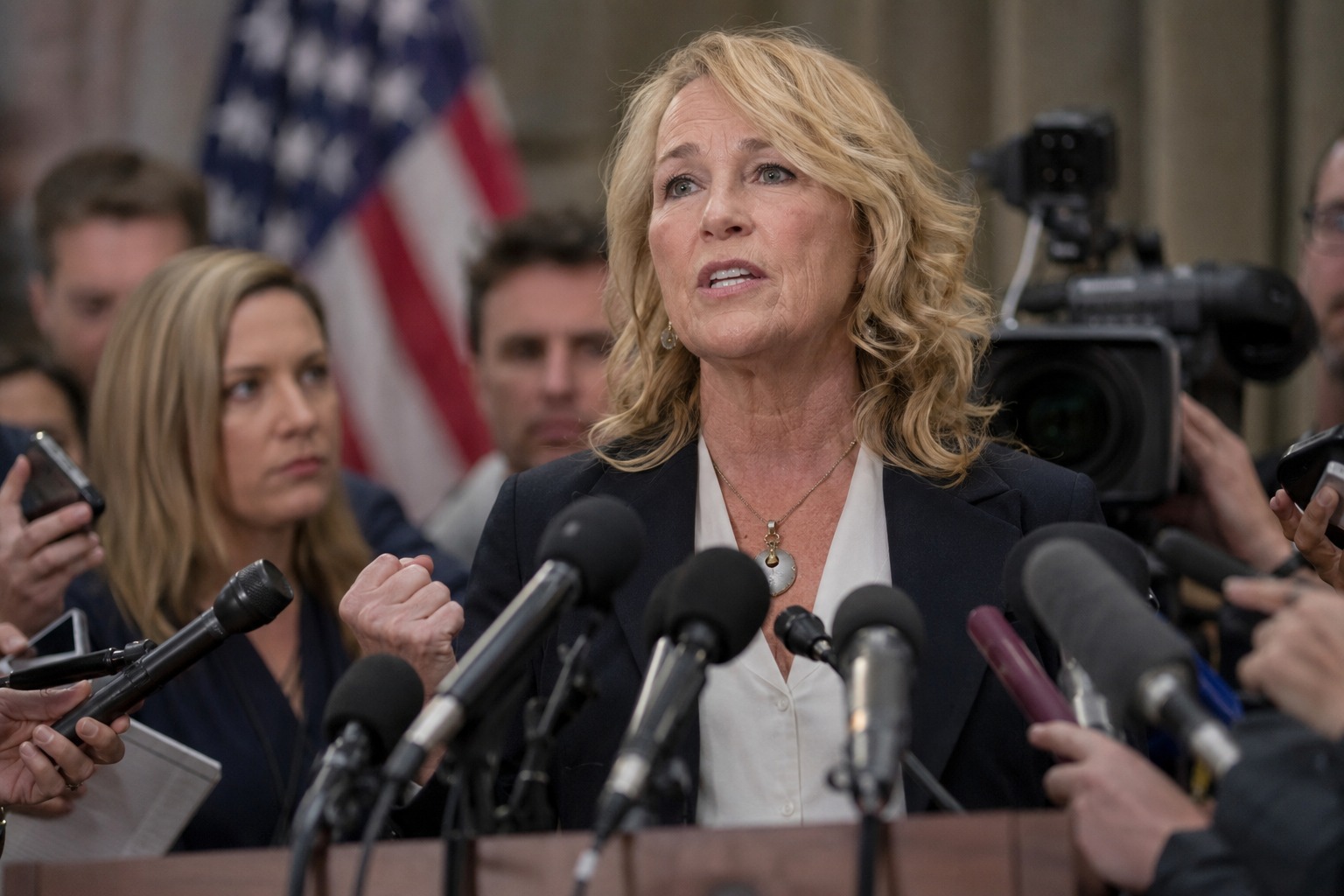
The woman who once forced one of America’s largest utilities to pay a landmark settlement over contaminated water has a new target: the data centers powering the artificial intelligence boom.
Erin Brockovich, the legal clerk whose fight against Pacific Gas & Electric ended in a settlement worth roughly $333 million over contaminated groundwater in Hinkley, California, has launched a nationwide effort to hold the AI industry accountable for its enormous water and energy footprint. Her story became famous through the Oscar-winning film starring Julia Roberts. Now she says the same warning signs that defined the Hinkley case are flashing again.
From Hinkley To The AI Frontier
Brockovich built her reputation by listening to ordinary residents whose complaints had been brushed aside. In Hinkley, that meant families who noticed unusual illnesses and traced them to chromium-6 that had leached into the local water supply. The resulting case reshaped how Americans think about corporate responsibility and environmental contamination.
Decades later, she says her inbox is filling with a new kind of complaint. Residents across the country are describing massive construction projects rising near their homes almost overnight — sprawling data centers built to train and run the AI models that now touch nearly every corner of modern life. These facilities can consume staggering amounts of electricity and water, and neighbors say they are often left in the dark about what is being built and what it will cost their communities.
Mapping The Complaints
Rather than filing a single lawsuit, Brockovich has taken a page from her grassroots playbook. She has launched a nationwide map that allows Americans to log data center concerns in their own neighborhoods — noise, dust, water usage, strain on the power grid, and the sudden arrival of heavy industry next to residential streets.
The goal, she says, is transparency. By collecting reports in one place, she hopes to pressure operators and regulators to disclose how much water and electricity these facilities draw, where that water comes from, and how local utility bills and supplies might be affected. She has framed the effort as a fight against some of the most well-funded companies on the planet, arguing that residents deserve answers before the concrete is poured, not after.
An Industry Under Pressure
The technology industry argues that data centers are essential infrastructure for the AI era and that operators are investing heavily in efficiency, including advanced cooling systems and renewable energy commitments. Supporters point to the jobs and tax revenue these projects can bring to local economies.
But the pushback from communities is growing louder. In towns near major projects, residents have questioned why they were not consulted, and local officials in some areas have started demanding more detailed disclosures before approving new construction. Brockovich’s involvement instantly raises the profile of those disputes, drawing national attention to a fight that until now has largely played out in scattered town halls and zoning meetings.
What This Means For Americans
For everyday families, the stakes are practical. Data centers can compete with households for water and electricity, and the cost of expanding the grid to serve them can show up on ordinary utility bills. As AI continues its rapid expansion, the question of who pays for the infrastructure behind it — and who gets a say in where it is built — is likely to land on more and more kitchen tables.
Whether Brockovich’s campaign leads to new regulations, lawsuits, or simply more disclosure, one thing is clear: the fight over AI’s physical footprint is only getting started, and one of the country’s most recognizable activists is now in the middle of it.
Stay informed on the stories that matter most. Follow Palmedia News on Facebook and bookmark palmedianews.com for breaking news and analysis.