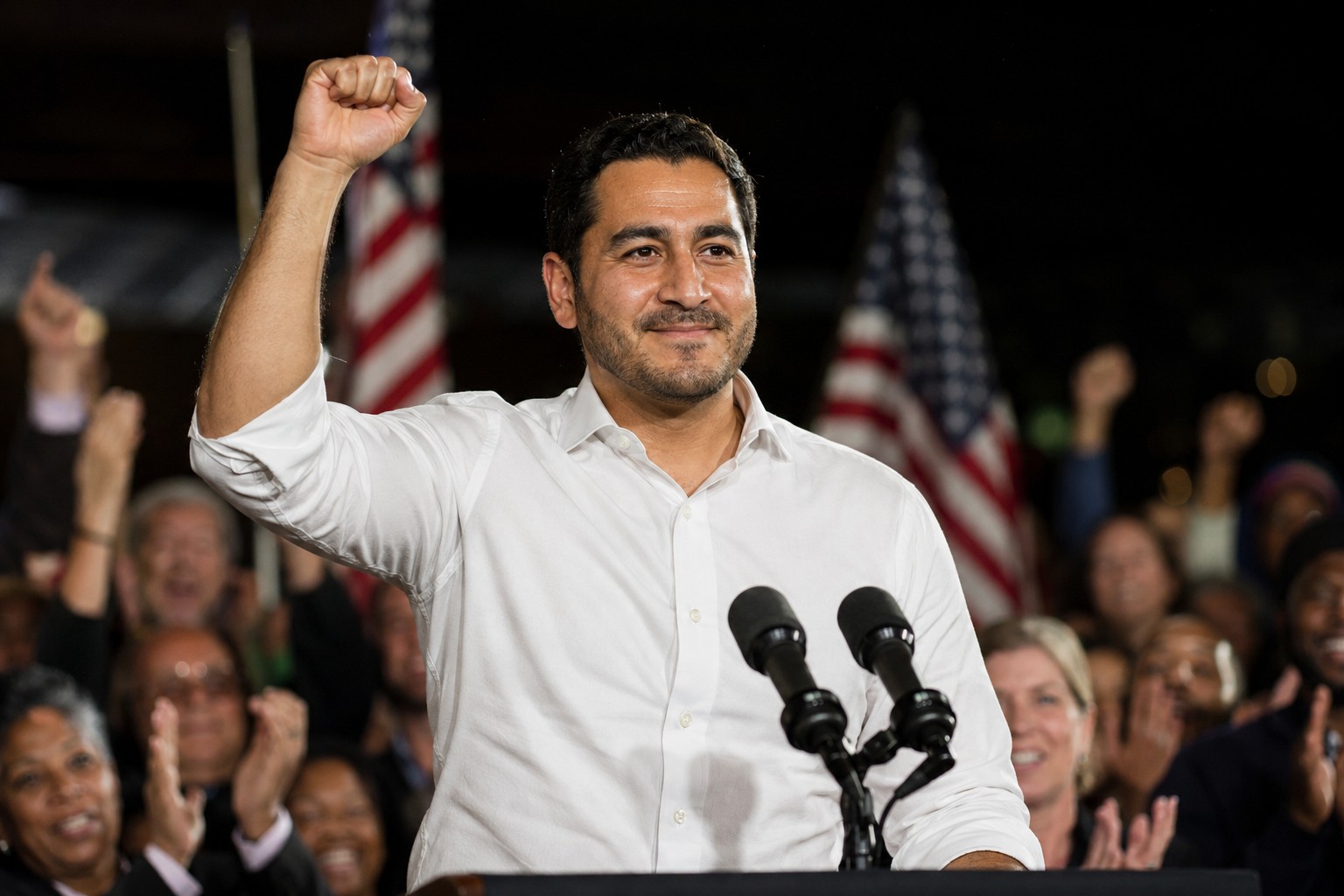
Abdul El-Sayed has pulled off one of the biggest upsets of the 2026 election cycle. On August 5, the physician and former Detroit health director won Michigan’s Democratic Senate primary, defeating Congresswoman Haley Stevens and moving one step closer to becoming the first Muslim ever elected to the United States Senate.
A Historic Candidacy
El-Sayed’s victory instantly reshaped one of the most closely watched Senate races in the country. He is running to replace retiring Democratic Senator Gary Peters, whose open seat is considered critical to control of the chamber. If El-Sayed wins the general election in November, he would make history as the first Muslim to serve in the U.S. Senate.
He is no stranger to breaking barriers. In 2018, El-Sayed ran for governor of Michigan, campaigning on a bold progressive platform and drawing national attention despite falling short in that primary. A physician by training, he served as executive director of the Detroit Health Department and later directed Wayne County’s health services, building a reputation as a public-health expert long before he became a household political name. He also co-authored a guide to Medicare for All, a policy that has anchored his platform ever since.
The Most Expensive Primary in History
The road to Tuesday’s win was anything but easy. El-Sayed’s contest against Haley Stevens became the most expensive Democratic Senate primary in American history. Outside groups poured enormous sums into the race, with AIPAC and its allies spending as much as $46 million to support Stevens.
El-Sayed was massively outspent. Rather than try to match the ad blitz dollar for dollar, his campaign leaned on grassroots organizing and an aggressive push into Michigan’s rural counties — areas Democrats often overlook. He hammered a message of healthcare reform built around his long-standing support for Medicare for All, and railed against the influence of corporate money in politics.
That approach paid off. He narrowly edged out Stevens, notching a significant victory for the progressive wing of the Democratic Party in a battleground state — and proving that a well-funded establishment campaign can still be beaten by an energized volunteer base.
Big-Name Endorsements and a November Showdown
El-Sayed’s campaign drew support from some of the most prominent progressive voices in the country. Senator Bernie Sanders, Congresswoman Alexandria Ocasio-Cortez, and the United Auto Workers all backed his bid, giving him both national visibility and organizing muscle on the ground.
Now the general election looms. In November, El-Sayed will face former Republican Congressman Mike Rogers in what is expected to be a hard-fought, high-stakes contest. Michigan is a perennial swing state, and the outcome could help determine which party controls the Senate. Supporters are calling the primary result a landmark moment for representation and a rebuke of big-money politics, while critics question whether his progressive platform can hold up in a competitive statewide race against a well-known Republican.
Why It Matters
For Michigan voters, the primary sets up a clear choice this fall between two very different visions for the state and the country. For the rest of the nation, the race is a test of whether a grassroots, progressive campaign can overcome tens of millions of dollars in outside spending — and whether the Senate is ready to seat its first Muslim member. The answer will come in November, when Michigan, and the country, weigh in.
Stay informed on the stories that matter most. Follow Palmedia News on Facebook and bookmark palmedianews.com for breaking news and analysis.