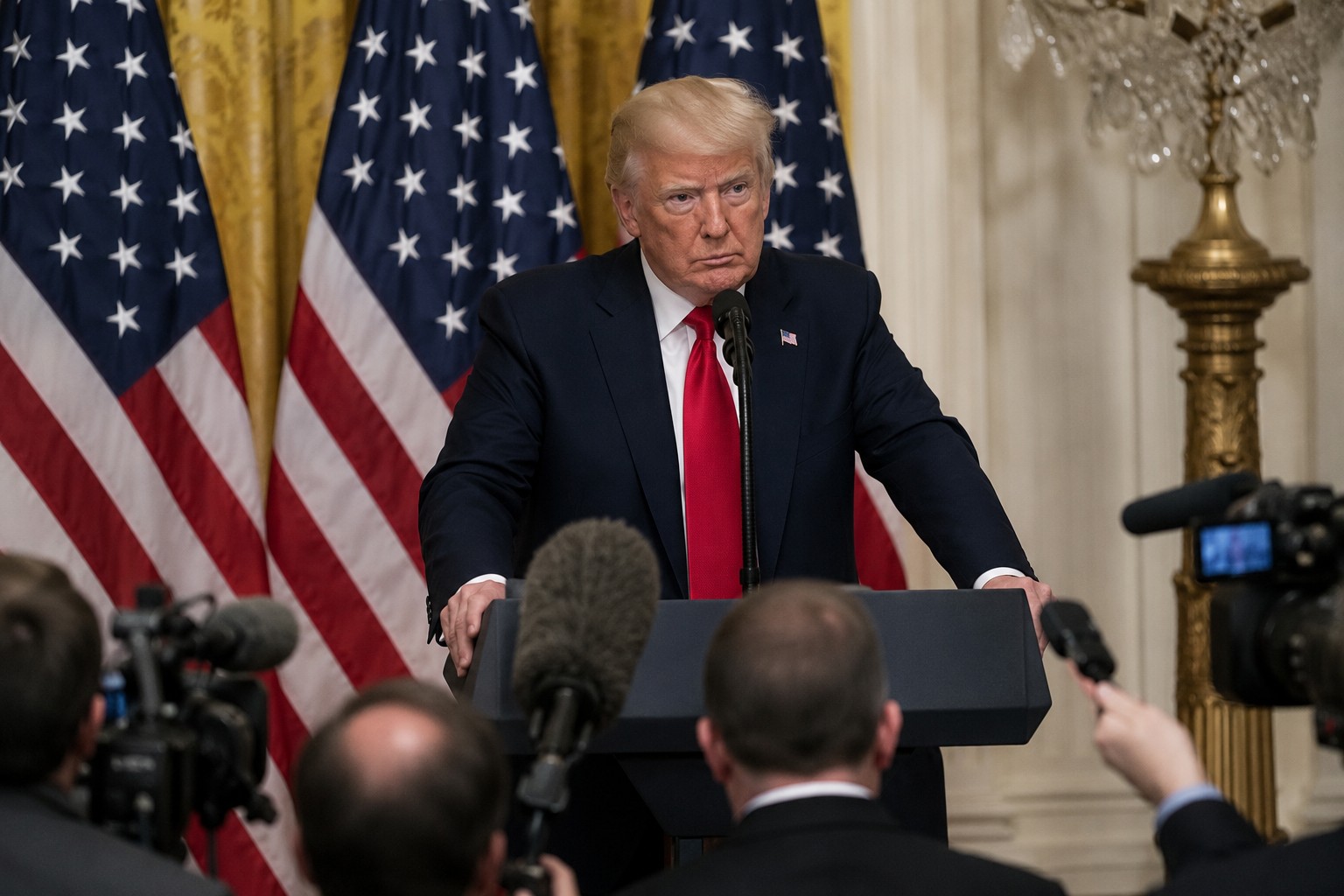
A federal judge in Connecticut has dealt the Trump administration’s Justice Department its 16th consecutive courtroom defeat in a sweeping, nationwide effort to obtain states’ complete voter registration lists. On July 17, U.S. District Judge Kari Dooley — herself appointed by President Donald Trump — dismissed the DOJ’s lawsuit against Connecticut, ruling the federal government has no legal right to the state’s full voter file.
What the Justice Department Wanted
Over the past year, the Justice Department has filed a wave of lawsuits against states across the country, demanding they turn over their statewide voter registration lists. The requested records were not limited to names on the rolls. In Connecticut’s case, the department sought unredacted files containing every registered voter’s name, date of birth, home address, and Social Security number.
The administration has framed the effort as a tool to verify the accuracy of voter rolls and root out potential fraud. Critics, including election officials from both parties, have argued that assembling that volume of sensitive personal data in a single federal database poses a serious privacy and security risk — and that federal law gives Washington no authority to demand it.
Why the Judge Said No
The legal fight in Connecticut turned on Title III of the Civil Rights Act of 1960, the statute the DOJ leaned on to justify its demand. The government argued the law required Connecticut to hand over its statewide voter registration list, known as the SVRL.
Judge Dooley rejected that reading. She ruled that Title III applies to records that election officials receive and are required to preserve — not the continuously updated database that a state builds and maintains on its own. “The SVRL is a record created by the state,” Dooley wrote. “It is not a record that comes into the state’s possession at all.” She added that applying the statute to voter rolls would collide with separate federal requirements that obligate states to add eligible voters and update addresses over time.
The ruling extended a losing streak that has become striking in its consistency. With the Connecticut decision, the Justice Department is now 0-16 in federal district courts and 0-1 on appeal in its push to collect voter data — no court victories anywhere. Notably, the losses have not broken along partisan lines: 10 of the 16 judges who rejected the department’s requests were appointed by Republican presidents, and Dooley is the seventh Trump appointee to rule against the effort.
Reactions and What Comes Next
Connecticut Attorney General William Tong, who fought the lawsuit alongside Secretary of State Stephanie Thomas, cast the decision as a victory for voter privacy and states’ authority to run their own elections. Department officials had earlier celebrated a procedural order in the case as a “big win,” only to see the underlying claims dismissed on the merits.
Supporters of the DOJ’s campaign maintain that access to complete voter files is a legitimate way to confirm that rolls are accurate and up to date. Opponents counter that states already conduct routine list maintenance and that centralizing Americans’ personal information invites breaches and misuse.
What This Means for Voters
For everyday voters, the case is about who gets to see the most sensitive details tied to their registration — including their Social Security number and home address. The string of rulings means that, for now, those records stay with the states rather than flowing to a central federal repository. The outcome also underscores how much of the current fight over election administration is playing out in courtrooms, before judges appointed by presidents of both parties. Whether the Justice Department keeps appealing — or presses ahead with similar suits against the remaining states — will determine how long this streak holds.
Stay informed on the stories that matter most. Follow Palmedia News on Facebook and bookmark palmedianews.com for breaking news and analysis.