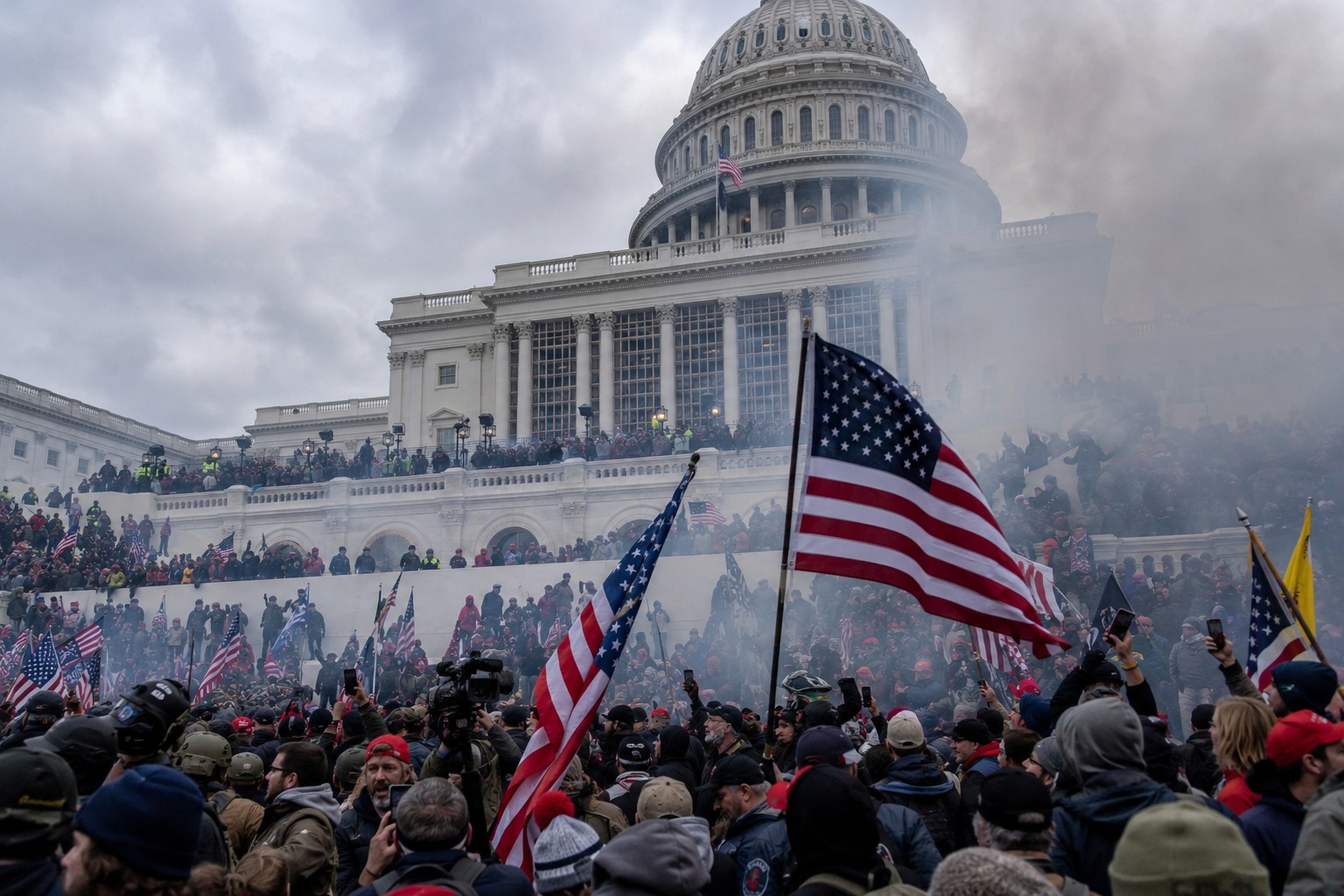
A Massachusetts physician who struck a police officer during the January 6, 2021 attack on the U.S. Capitol has lost her right to practice medicine — and a presidential pardon did nothing to change the outcome. On July 24, 2026, the state’s Board of Registration in Medicine voted to revoke Dr. Jacquelyn Starer’s ability to renew her medical license, closing out a career that began in 1983.
Starer, of Ashland, was once a practicing physician affiliated with Brigham and Women’s Faulkner Hospital. After she was charged in connection with the Capitol breach, she voluntarily agreed to stop practicing. The board’s action now makes that pause permanent.
What Happened on January 6
According to the Massachusetts Board of Registration in Medicine, Starer entered the Capitol during the riot and struck a Metropolitan Police officer with her closed fist. It was not a case of simply wandering into a restricted area — the physical assault of an officer placed her among the more serious offenders that day.
In 2024, Starer pleaded guilty to two felony counts — civil disorder and assaulting, resisting, or impeding certain officers — along with several misdemeanor charges, including entering a restricted building and engaging in disorderly conduct on Capitol grounds. That September, a federal judge sentenced her to nine months of home confinement. At her sentencing, Starer told the court she accepted full responsibility for her actions and wished that reason had prevailed over her emotions that day.
The Pardon That Changed Nothing
Here is where the story takes a turn. After returning to office in January 2025, President Donald Trump issued sweeping pardons for individuals charged in the Capitol attack — a group that included people convicted of violent offenses. On paper, the federal case against Starer was wiped away.
But a presidential pardon operates only within the federal system. It erases federal criminal consequences; it does not reach into the licensing authority of an individual state. Massachusetts regulators reviewed Starer’s conduct against the professional and ethical standards required to hold a medical license, and they reached their own conclusion — independent of what happened in federal court. In that hearing room, the pardon carried no weight at all.
Why State Licensing Is Different
Medical licenses in the United States are granted and governed by individual state boards, not the federal government. Those boards have broad authority to discipline practitioners for conduct they judge to be incompatible with the responsibilities of the profession — even when that conduct occurs entirely outside the exam room. A felony conviction, or the underlying behavior behind it, can be grounds for discipline regardless of how the criminal case ultimately resolves.
That distinction is the heart of the Starer case. A pardon may return a person’s civil rights and lift criminal penalties, but it does not obligate a licensing board to ignore what happened. The board’s job is not to punish a crime a second time — it is to decide who is fit to hold the public trust that comes with practicing medicine.
A Growing National Debate
The case is now fueling a broader conversation about the limits of clemency. Supporters of the board’s decision argue that professionals who hold positions of public trust — doctors, lawyers, accountants, and others — should answer to the standards of their field, and that a pardon should not function as a professional reset button. Others question whether it is fair for state agencies to impose lasting consequences after a president has formally forgiven the underlying offense.
What is not in dispute is the legal reality: the two systems are separate, and one does not override the other. Starer’s pardon settled her standing with the federal government. Her standing with the Commonwealth of Massachusetts was always going to be decided somewhere else.
What This Means for Americans
For everyday readers, the takeaway is a clearer picture of how accountability actually works in the American system. A pardon is powerful, but it is not total. State licensing boards, professional associations, and employers can all reach their own judgments about a person’s conduct — and those judgments can outlast a criminal case entirely. For anyone who holds a professional license, the message is that conduct off the clock can still carry career-ending weight.
Stay informed on the stories that matter most. Follow Palmedia News on Facebook and bookmark palmedianews.com for breaking news and analysis.