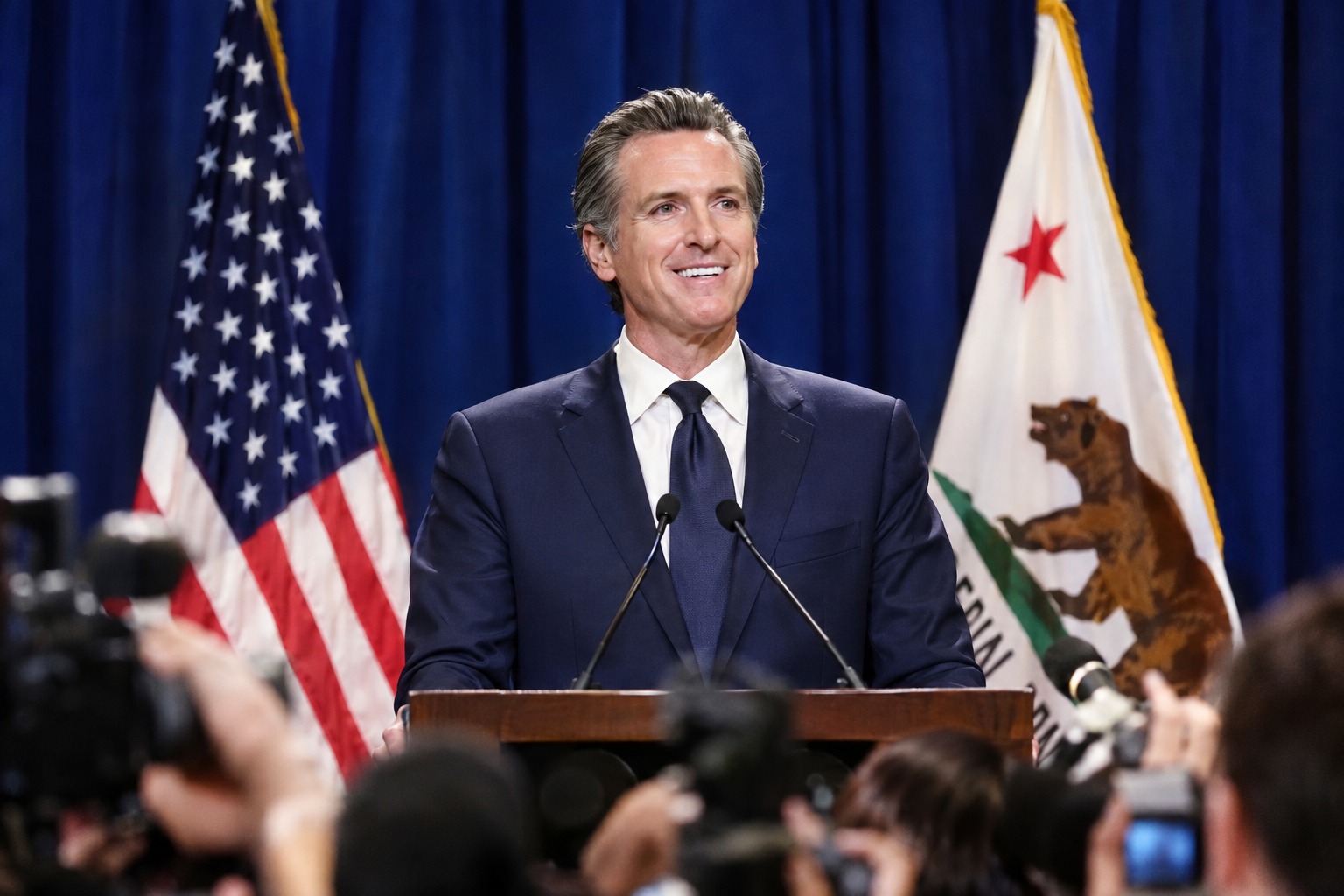
California is set to have the highest statewide minimum wage in the country. Starting January 1, 2027, the state’s baseline pay will climb to $17.40 an hour, and Governor Gavin Newsom is celebrating the increase as a win for the state’s working families.
The new rate sits more than $10 above the federal minimum wage of $7.25 per hour, a figure that has not changed since 2009. That gap means California’s lowest-paid workers will soon earn nearly two and a half times what the federal floor guarantees anywhere else in the nation.
How California Got Here
The jump to $17.40 is not a one-off legislative vote. Under California law, the statewide minimum wage is adjusted automatically every year to keep pace with inflation. As the cost of living rises, so does the mandated floor for hourly pay.
The climb has been steady. When Newsom first took office, the state minimum wage stood at $12 an hour. In the years since, a combination of scheduled increases and inflation-based adjustments has pushed the number higher, and the 2027 rate cements California’s place at the top of the national pay ladder.
What the Numbers Mean
For a full-time worker putting in 40 hours a week, the difference between $17.40 and the federal $7.25 is dramatic. At the California rate, that worker earns roughly $36,000 a year before taxes. At the federal minimum, the same schedule brings in about $15,000. The $10-plus gap per hour adds up to more than $20,000 over a year of full-time work.
California is not alone in setting its own floor above the federal level. Many states and cities have adopted higher local minimums in recent years, and several major metropolitan areas already require pay well above $17. But no other state has set a statewide baseline as high as California’s new rate.
Supporters and Critics Weigh In
Newsom framed the raise as proof that the state rewards hard work, saying California has chosen a different path while the federal rate stays frozen. Supporters of the increase argue that a higher wage helps families keep up with the cost of living in one of the most expensive states in the country, where housing, food, and transportation costs routinely outpace the national average.
Critics counter that pushing mandated wages higher squeezes small businesses, raises prices for consumers, and can prompt some employers to cut hours or reduce staff to absorb the added cost. Restaurant owners, franchise operators, and small retailers have been among the most vocal, warning that thin margins leave little room to cover a higher payroll. The long-running debate over whether higher mandated pay ultimately helps or hurts the workers it is designed to protect is now louder than ever.
What This Means for Americans
For workers in California, the change means a bigger paycheck starting in the new year. For business owners, it means budgeting for higher labor costs. And for the rest of the country, California’s move reopens a familiar national question: should the federal minimum wage, unchanged for more than 15 years, finally move too? With the gap between the two now exceeding $10 an hour, that debate is not going away.
Stay informed on the stories that matter most. Follow Palmedia News on Facebook and bookmark palmedianews.com for breaking news and analysis.