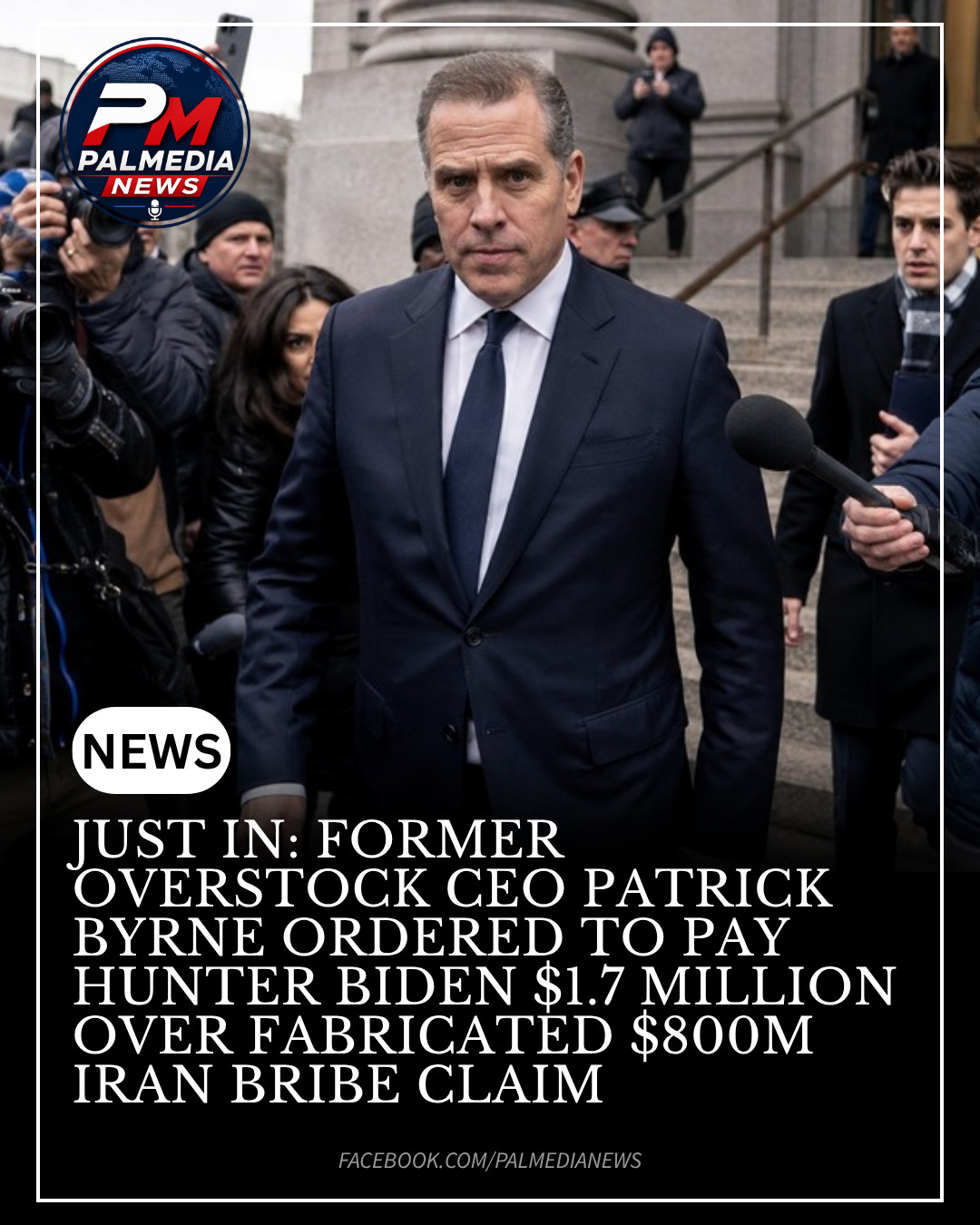
A federal judge has ordered former Overstock CEO Patrick Byrne to pay Hunter Biden $1.7 million, closing one of the strangest defamation cases in recent memory. The ruling, handed down on July 10, 2026, caps a legal fight that Byrne effectively abandoned long before it ever reached a verdict.
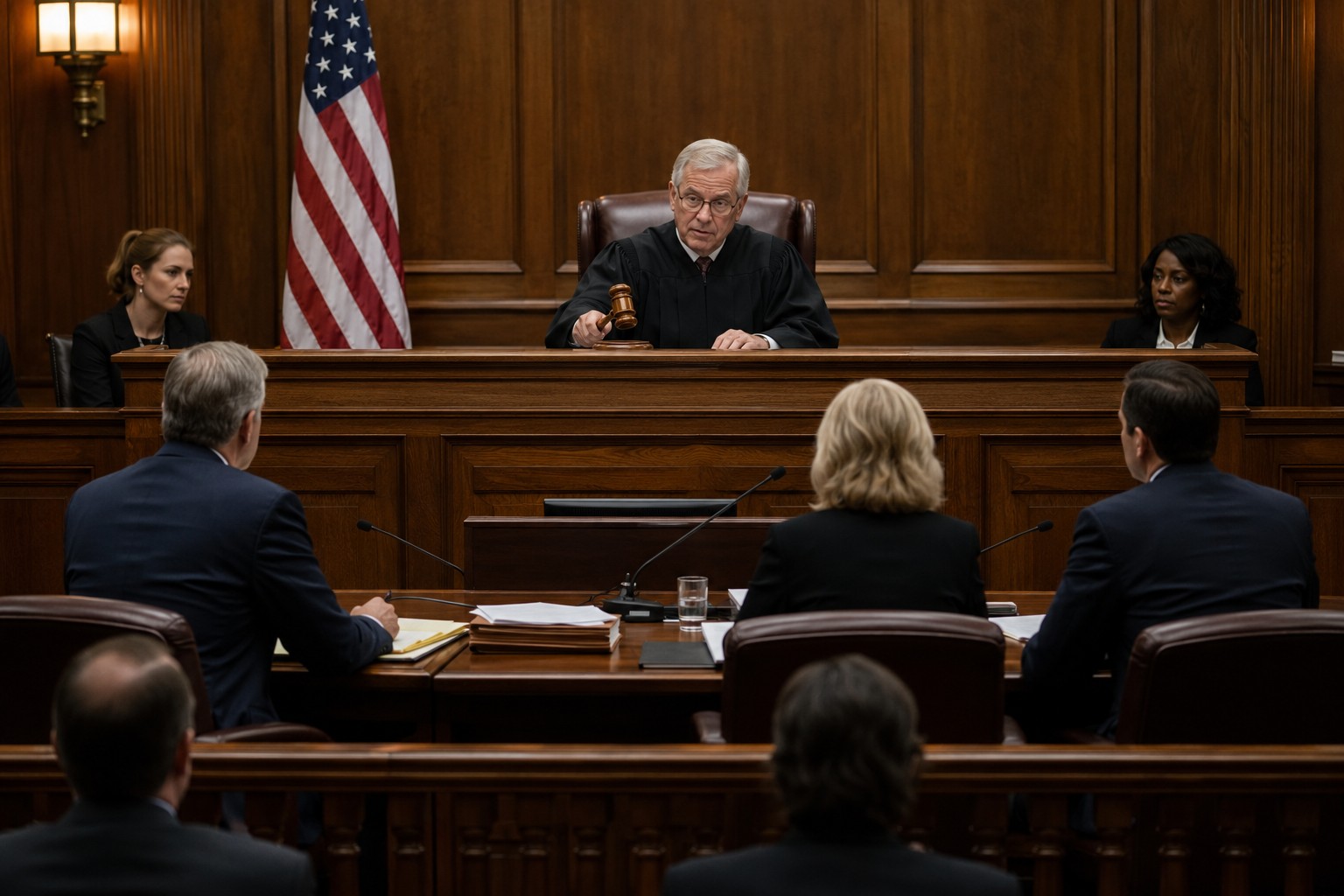
U.S. District Judge Stephen Wilson, sitting in the Central District of California, found that Byrne had defamed Biden by promoting a fabricated story that Biden sought an $800 million bribe from Iran in 2021. According to the ruling, the claim had no basis in fact — and Byrne never mounted a defense to challenge it.
How the Case Fell Apart
What makes this case so unusual is how it ended. On the first day of trial in 2025, Byrne fired his entire legal team and then failed to appear to defend himself. That decision effectively conceded the case by default, leaving the court to weigh Biden’s evidence with no rebuttal.
Judge Wilson found “clear and convincing” evidence that Byrne “engaged in intentional misrepresentation with conscious disregard” for Biden’s rights. The court noted that Byrne did not simply publish the allegation once. He repeatedly reposted it across social media platforms and, by his own admission, encouraged his followers to spread it further.
What the Fabricated Claim Alleged
The defamatory story at the heart of the case alleged that Hunter Biden had solicited an $800 million payment from Iran in exchange for his father’s administration releasing frozen Iranian funds and softening nuclear negotiations. The court did not treat that allegation as fact. It treated it as the fabricated claim it ruled against — a narrative Byrne promoted without evidence.
“Defendant’s defamation went far beyond mere negligence,” Wilson wrote, describing conduct the court found deliberate rather than careless.
The Financial Penalty
The final tally is steep. Biden was awarded $1 in nominal damages and $1.7 million in punitive damages. On top of that, Byrne faces roughly $34,969 in existing court-ordered sanctions, due within 14 days — an amount that climbs by $1,000 for every day it goes unpaid.
Byrne, a longtime controversial figure known for promoting unproven claims about the 2020 election, has signaled he may appeal. For now, the judgment stands as one of the more decisive defamation rulings tied to viral political misinformation.
What This Means for Americans
The case is a reminder that fabricated claims spread online can carry real legal consequences. As misinformation travels faster than ever across social platforms, courts are increasingly being asked to draw a line between protected opinion and knowingly false statements that damage a person’s reputation. This ruling shows where one federal judge drew that line — and how costly crossing it can be.
Stay informed on the stories that matter most. Follow Palmedia News on Facebook and bookmark palmedianews.com for breaking news and analysis.