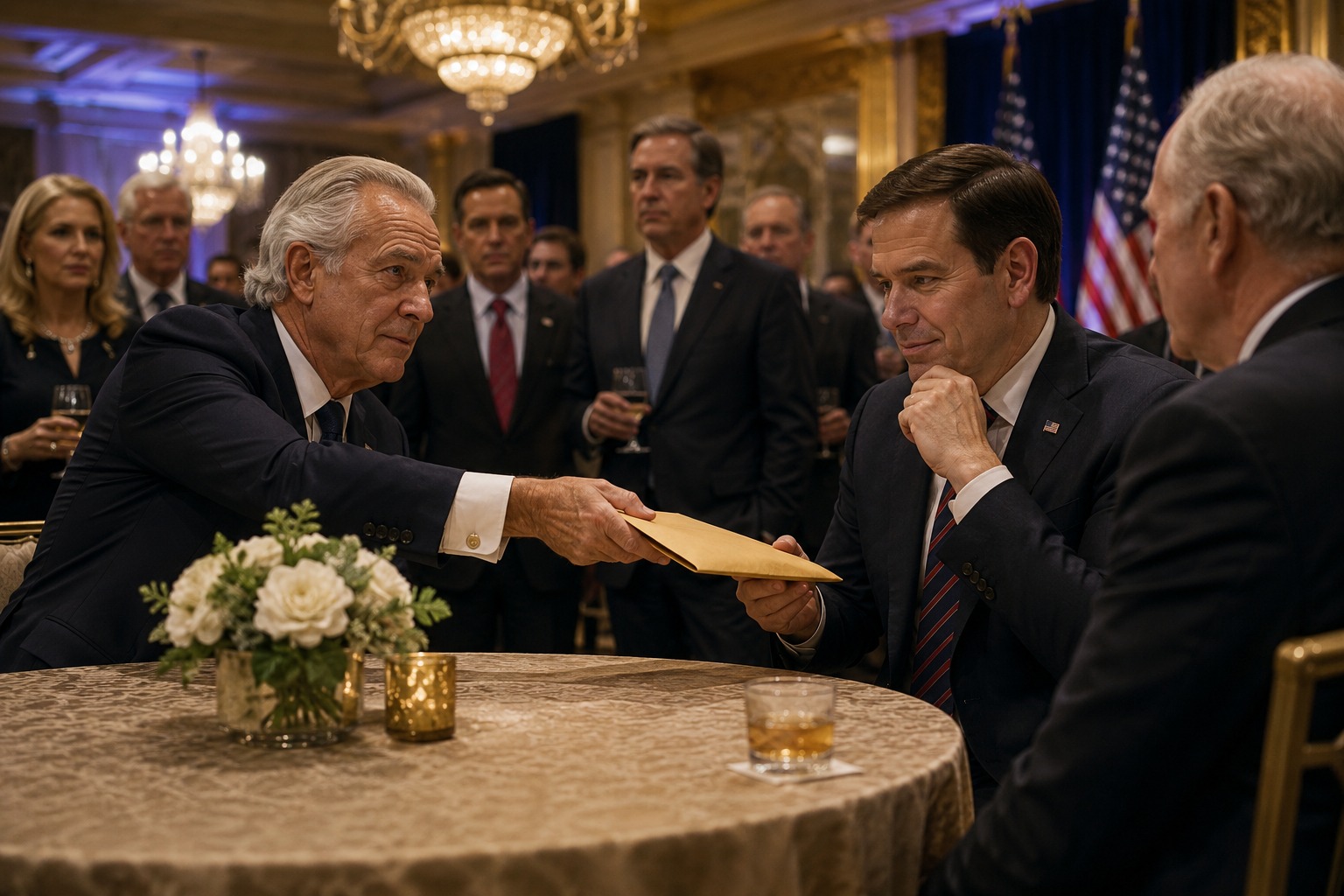
More than four dozen countries around the world have made it illegal for billionaires and corporations to flood their elections with cash. The United States, despite being the world’s oldest democracy, remains one of the few where unlimited money in politics is not just legal — it is protected by the Supreme Court.
A Global Shift on Campaign Finance
The global standard on campaign finance has shifted dramatically over the past three decades. France banned corporate political donations as far back as 1995. Brazil followed suit in 2015, stripping corporations of the ability to write campaign checks entirely. Canada, the United Kingdom, and most European Union member nations have established strict caps on what any individual or business can contribute to a political party or candidate. According to International IDEA, the global democracy research organization, more than 46 countries now ban corporate donations to political parties outright.
In Canada, only individual citizens — not corporations or unions — can donate to federal parties, with annual caps strictly enforced. In Germany, all donations above €50,000 must be reported publicly within days. In France, individual donations to parties are capped at €7,500 per year. These are not fringe policies in obscure democracies. They are the standard in countries that are among America’s closest allies.
How the U.S. Became the Outlier
In the United States, the trend went in the opposite direction. The Supreme Court’s Citizens United v. FEC ruling in 2010 determined that political spending by corporations, associations, and labor unions is a protected form of free speech under the First Amendment. The ruling effectively lifted limits on outside spending in elections and gave rise to the Super PAC era — an era defined by hundred-million-dollar war chests funded by a handful of ultra-wealthy individuals.
The numbers reflect this reality. In the 2024 election cycle, Elon Musk alone spent over $250 million to influence candidates and causes aligned with his political views. Super PACs — political action committees that can raise unlimited funds from corporations, unions, and individuals — are technically prohibited from coordinating directly with campaigns. But in practice, they operate in close alignment with candidates, running ads, funding ground operations, and shaping public messaging in ways that effectively serve as extensions of campaign headquarters.
The Debate at Home
Supporters of stricter U.S. campaign finance laws argue the system has become fundamentally incompatible with democratic equality. When a single donor can outspend millions of ordinary voters combined, they say, the principle of one person, one vote erodes. Several reform proposals have been introduced in Congress in recent years, including the DISCLOSE Act, which would mandate the disclosure of so-called dark money donors. None have passed the Senate.
Opponents counter that limiting campaign donations — even from the ultra-wealthy — restricts the free flow of political ideas guaranteed by the First Amendment. The Cato Institute and the U.S. Chamber of Commerce have consistently argued that government-imposed spending caps set a dangerous precedent for political censorship. Courts at both the federal and state level have repeatedly sided with this view in the years since Citizens United.
What This Means for Voters
Campaign finance rules determine who has a voice in American democracy — and whose voice gets amplified into a megaphone. When billionaires can pour hundreds of millions into election cycles, their political priorities receive outsized attention from candidates who depend on that funding to run competitive races. For everyday Americans, the question is no longer abstract. It is about whether their vote at the ballot box carries the same weight as a nine-figure check. As dozens of peer nations draw harder lines on big-money politics, the question of whether the United States should join them has never been more pressing.
Stay informed on the stories that matter most. Follow Palmedia News on Facebook and bookmark palmedianews.com for breaking news and analysis.