Most Asian American and Pacific Islander adults no longer believe the United States is a great country for immigrants, according to a new national poll that captures a striking shift in sentiment among one of the nation’s fastest-growing populations.
The survey, conducted by AP-NORC and AAPI Data, found that about 6 in 10 AAPI adults say America used to be a great place for immigrants but isn’t anymore. Only about 3 in 10 said the country is still a great place for immigrants today, while a small share — roughly 5% — said it was never a great place to begin with.
What the Poll Found
The poll questioned 1,075 adults who identify as Asian American, Native Hawaiian, or Pacific Islander between April 20 and April 28. The margin of sampling error is plus or minus 4.4 percentage points. That sample size and methodology make it one of the more detailed recent snapshots of how this community views the country’s direction on immigration.
The headline number — a majority saying the country has lost something it once had for immigrants — points to a sense of decline rather than outright rejection. Many respondents framed their answers around a “used to be” sentiment, suggesting they remember a more welcoming era and feel that era has faded.
The Personal Impact Runs Deep
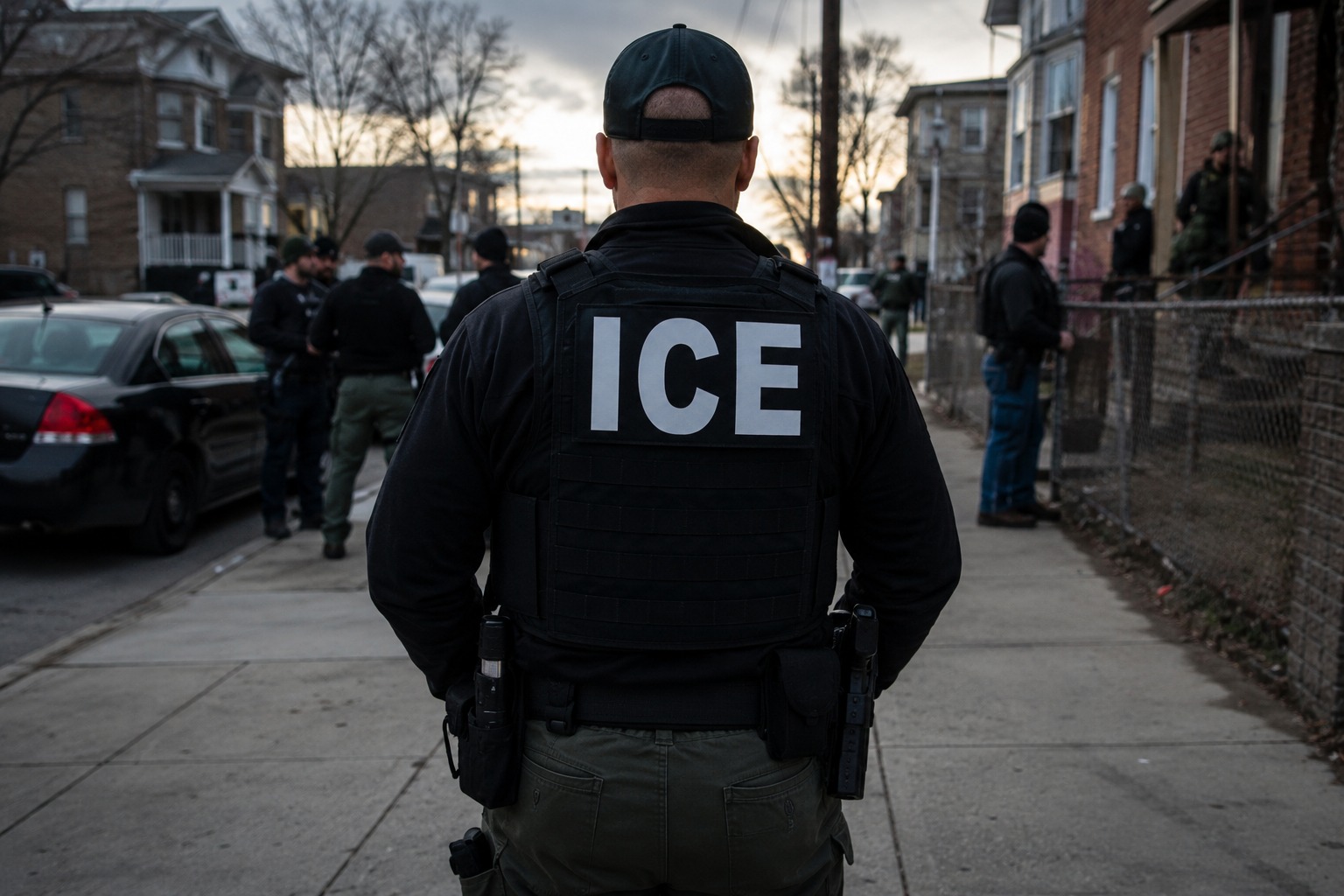
Perhaps the most revealing finding is how directly these concerns have touched people’s daily lives. About half of those surveyed said they, or someone they know, had been affected by immigration enforcement in the past year. That includes being detained or deported, starting to carry proof of citizenship or immigration status at all times, canceling or changing travel plans, or otherwise altering their everyday routines.
Those are not abstract policy concerns. They are practical, lived adjustments — the kind of changes that signal a community recalibrating how it moves through public life. When people begin carrying documents to the grocery store or rethinking a family trip, it reflects a baseline level of anxiety that goes beyond political opinion.
Still Committed to a Diverse Nation
Despite the pessimism about the country’s trajectory, the poll found that AAPI adults have not turned away from the idea of a pluralistic America. A full 73% said the mixing of cultures and values from around the world is “extremely” or “very” important to the nation’s identity.
That figure stands well above the response from the general public. In a separate AP-NORC poll conducted in April, 55% of all U.S. adults said the same. The gap suggests that AAPI adults remain among the strongest believers in a multicultural national identity, even as many feel the country is falling short of that ideal in practice.
A Debate Over How Welcoming America Is
The findings arrive at a moment of heightened immigration enforcement across the country. They are already fueling debate about how welcoming the United States feels right now compared with how welcoming it used to be — and who gets to define that.
Supporters of stricter enforcement argue that a functioning immigration system requires rules and consequences, and that public safety and the rule of law come first. Others counter that the data shows a chilling effect on a community that is overwhelmingly law-abiding and deeply invested in the country’s success. Both sides point to the same poll to make opposite cases about where the nation is headed.
What This Means for Americans
For everyday readers, the poll is a window into how a large and growing slice of the population is experiencing this moment. Asian Americans and Pacific Islanders are among the fastest-growing groups in the country, and their sense of belonging — or unease — is a measure of the national mood. When a majority of any community feels the country has become less welcoming, it raises questions that reach beyond immigration policy into the broader conversation about national identity.
Stay informed on the stories that matter most. Follow Palmedia News on Facebook and bookmark palmedianews.com for breaking news and analysis.