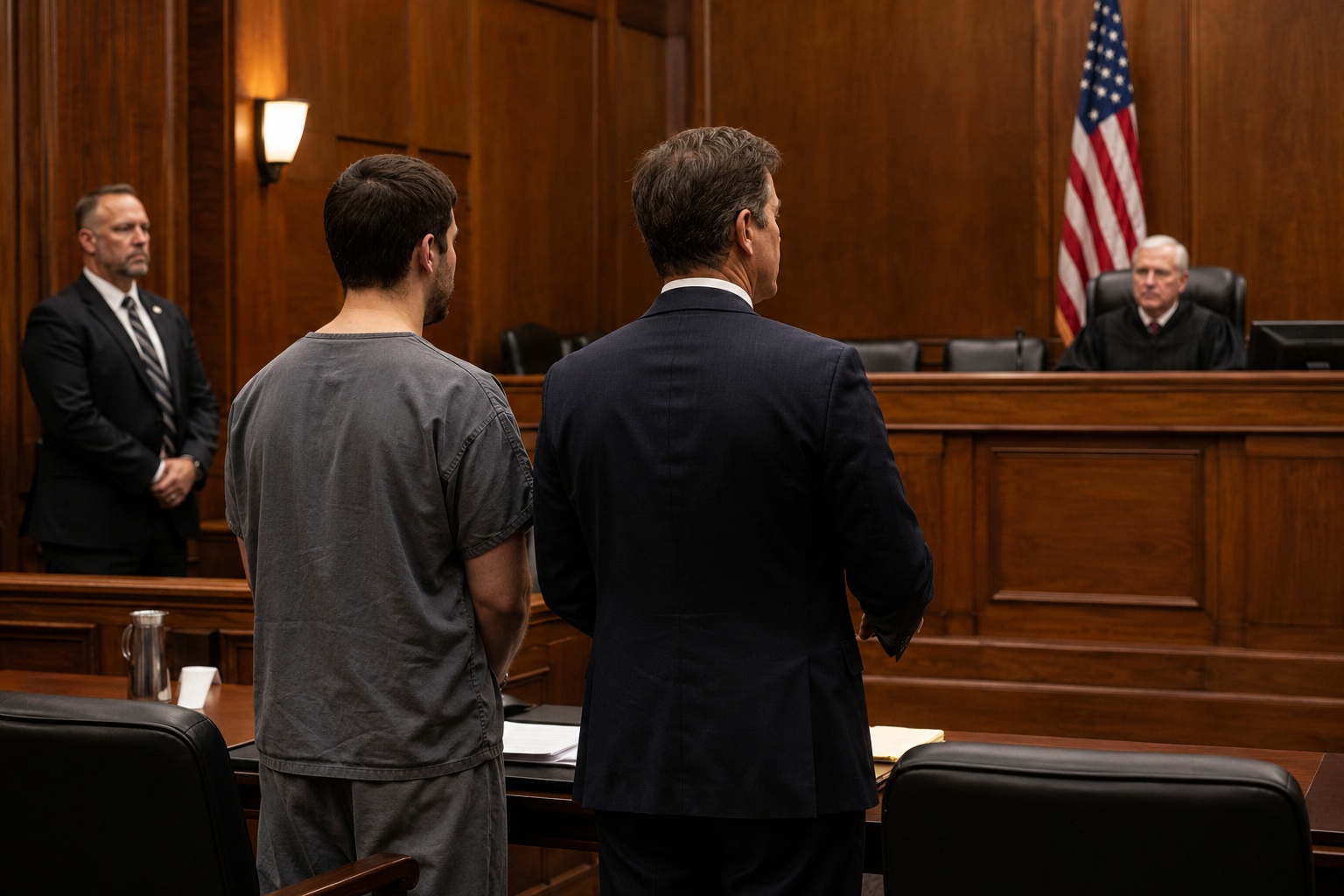
A federal grand jury in Pennsylvania has handed up a 12-count indictment against a 32-year-old man who prosecutors say identified himself openly as a Nazi and threatened to kill a sitting member of the United States Congress. Robert Hlovchiec, of Shaler Township just outside Pittsburgh, was charged on July 10 and is being held without bail.
The indictment, returned in the Western District of Pennsylvania, charges Hlovchiec with interstate threats and with influencing, impeding, or retaliating against a federal official by threat. Prosecutors say the conduct spanned February and March of this year. He has not entered a plea.
What Prosecutors Say Happened
According to the Justice Department, the threats were not whispered in private. They were posted in public, in the comment sections beneath online videos, where anyone could read them.
Prosecutors say the posts described threats of mass violence. The indictment alleges Hlovchiec threatened the member of Congress directly, and threatened that lawmaker’s family as well. Court filings say the same posts contained threats aimed at Democrats broadly, at transgender people, and at other minority groups.
The filing does not name the targeted lawmaker. Throughout the indictment, that person is identified only as “Victim 1” – a common practice in federal threat cases, where prosecutors shield the target’s identity to avoid amplifying the danger.
A Rising Tide of Threats
This case does not exist in a vacuum. Threats against members of Congress have climbed steeply over the past decade. The U.S. Capitol Police, which investigates these cases, now fields thousands of threat assessments every year – a figure that has multiplied several times over since the mid-2010s.
That surge has changed how lawmakers live and work. Members of both parties have added home security, altered public schedules, and in some cases stopped holding in-person town halls. The cost of protecting elected officials has become a routine line item rather than an exception.
Where the Legal Line Sits
Not every ugly comment on the internet is a federal crime. The First Amendment protects a great deal of offensive, hateful, and repugnant speech. What it does not protect is a “true threat” – a statement a reasonable person would understand as a serious expression of intent to commit violence.
That distinction is what this case will turn on. Prosecutors are arguing that these posts crossed from protected speech into criminal threat, and they are arguing it a dozen separate times. The defense will almost certainly contend the posts were repugnant venting rather than genuine intent. A jury, if it gets that far, will decide.
Hlovchiec is scheduled to appear in court again on July 17. The charges against him are allegations. He is presumed innocent unless and until he is proven guilty.
What This Means for Americans
Political violence does not usually begin with violence. It begins with words that go unchallenged, in comment sections that no one moderates, until someone decides to act on them. Cases like this one are the point where the legal system tries to intervene before that happens.
For ordinary Americans, the stakes are simple. The people who represent you – whichever party they belong to – have to be able to do the job without their families being targeted. That principle is not a partisan one. When it erodes, it erodes for everyone.
Stay informed on the stories that matter most. Follow Palmedia News on Facebook and bookmark palmedianews.com for breaking news and analysis.