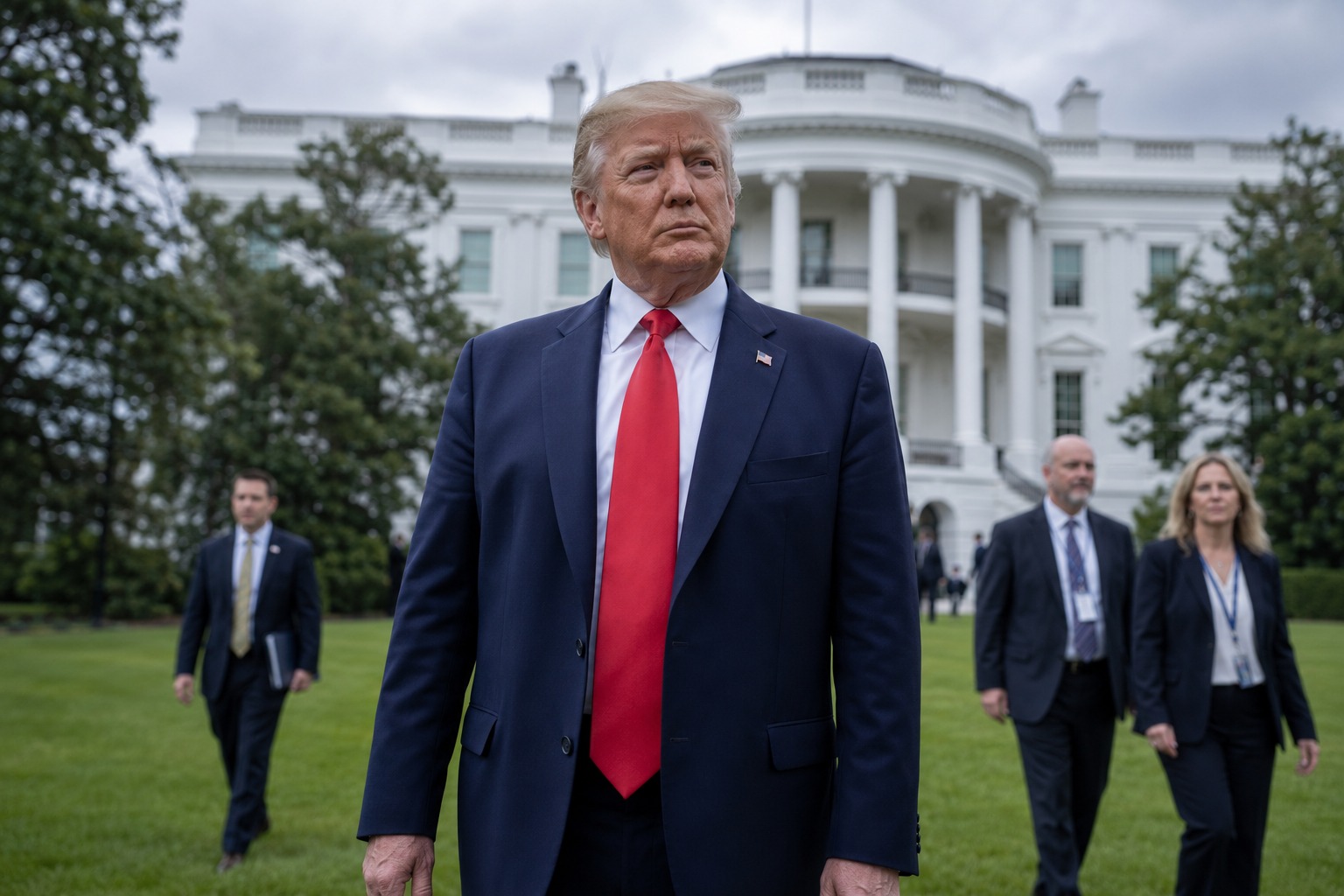
A senior House Democrat is drawing a hard line over $150 million in defense money, and the fight has nothing to do with troops, ships, or ammunition. It is about a ballroom.
Rep. John Garamendi of California, a senior member of the House Armed Services Committee, has filed an amendment to the annual defense bill that would fully block Pentagon funds from being spent on President Donald Trump’s new White House ballroom. The lavish event space is being built on the site of the former East Wing, which was demolished last year.
What Garamendi Is Proposing
Garamendi’s amendment targets the National Defense Authorization Act, the sweeping annual bill that sets spending priorities for the U.S. military. His measure would restrict at least $150 million in military funds from being redirected toward the ballroom project, ensuring that defense appropriations stay tied to defense needs.
His message has been blunt. Defense dollars, he argues, should go toward service members, military families, readiness, shipbuilding, and replenishing critical munitions, not toward a ceremonial space at the White House. For a lawmaker who sits on the committee that oversees the Pentagon’s budget, the argument carries added weight.
A Fight Months In The Making
The amendment throws a spotlight on a dispute that has simmered for months over who exactly is footing the bill for the ballroom. The project has drawn scrutiny since the East Wing came down, with questions swirling about how the construction and the accompanying security upgrades would be financed.
Earlier proposals floated pouring hundreds of millions of dollars in security and construction money toward the broader White House complex. Democrats have repeatedly vowed to oppose any effort that puts taxpayers on the hook for the project, and Garamendi’s amendment is the sharpest procedural move yet to lock that opposition into law.
Supporters And Critics Dig In
Supporters of the ballroom say the upgraded space is a long-overdue improvement to a national landmark that regularly hosts world leaders, state dinners, and major diplomatic events. They frame it as an investment in the prestige and functionality of the People’s House.
Critics see it differently. They call the ballroom a vanity project dressed up as a security expense, and they argue that tapping military accounts to pay for it crosses a line. With Garamendi’s amendment, that argument is no longer confined to press releases. It is landing squarely on the floor of Congress, where every member may soon have to take a public position.
What This Means For Americans
At its core, the clash is about priorities. Should scarce defense dollars go toward military readiness and the people who serve, or toward a presidential showpiece? The amendment forces that question into the open and puts lawmakers on record about where they believe $150 million belongs. For taxpayers and military families watching the budget debate, it is a rare, concrete test of how Washington weighs symbolism against substance.
Stay informed on the stories that matter most. Follow Palmedia News on Facebook and bookmark palmedianews.com for breaking news and analysis.