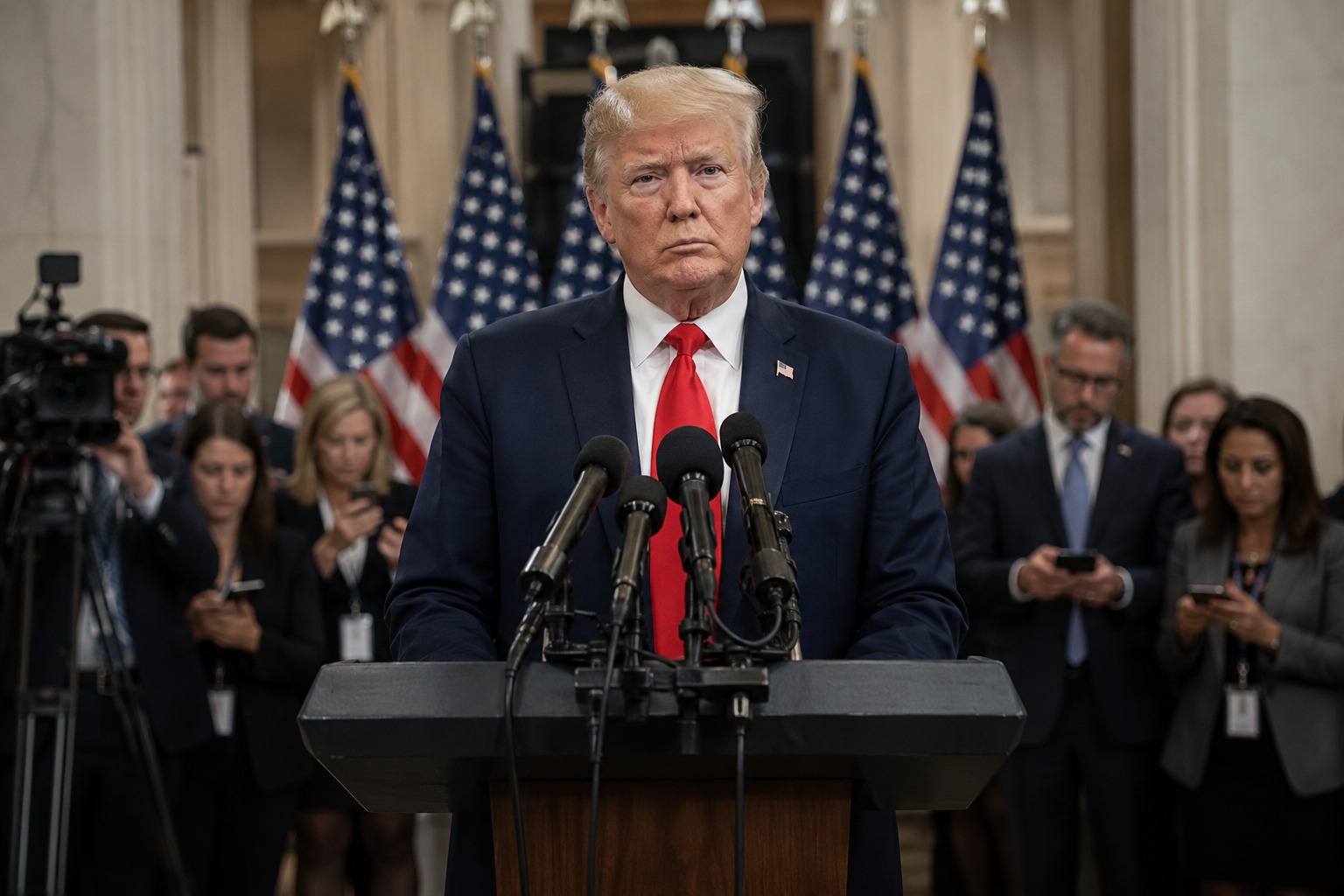
The effort to remove President Donald Trump from office has moved from political rhetoric to formal action. Multiple articles of impeachment have now been filed against the President in Congress, and the number of accusations attached to them continues to climb.
What Has Been Filed
Several resolutions seeking Trump’s impeachment have been introduced in the House of Representatives during the current Congress. The charges center on the President’s use of war powers, his deployment of the National Guard into American cities, and his handling of detentions and deportations. One recent filing alone bundled more than a dozen separate charges of alleged high crimes and misdemeanors.
The lawmakers behind the resolutions argue that the President’s conduct and rhetoric warrant congressional intervention. Supporters of the filings say the goal is to build a documented record of the administration’s actions, even if the votes to convict are not yet there.
How Impeachment Actually Works
Filing articles of impeachment is only the first step in a long and difficult process. To impeach a president, the House of Representatives must first pass the articles with a simple majority vote. That step alone does not remove anyone from office.
Removal requires a second stage: a trial in the Senate, where a two-thirds supermajority must vote to convict. That is an extraordinarily high bar. No president in American history has ever been removed from office through the impeachment process. Andrew Johnson, Bill Clinton, and Donald Trump himself were each impeached by the House in the past, but all were acquitted by the Senate.
A Divided Congress
The filings have exposed a split among lawmakers. Some are calling for an immediate impeachment vote, arguing that the accusations are serious enough to demand action now. Others counter that the numbers simply are not there — that a vote forced today would fail in the Senate and could backfire politically.
That tension over strategy versus symbolism has become a defining feature of the debate. For those pushing the resolutions, the act of filing is itself a statement. For those urging caution, a doomed vote risks handing the administration a talking point rather than a setback.
What This Means for Americans
For everyday Americans, the impeachment filings are a signal of how deeply divided the country’s leadership has become over the direction of the presidency. Whether or not the resolutions advance, they set the stage for months of political conflict that could shape the next election, the balance of power in Congress, and the national conversation about accountability at the highest level of government.
Stay informed on the stories that matter most. Follow Palmedia News on Facebook and bookmark palmedianews.com for breaking news and analysis.