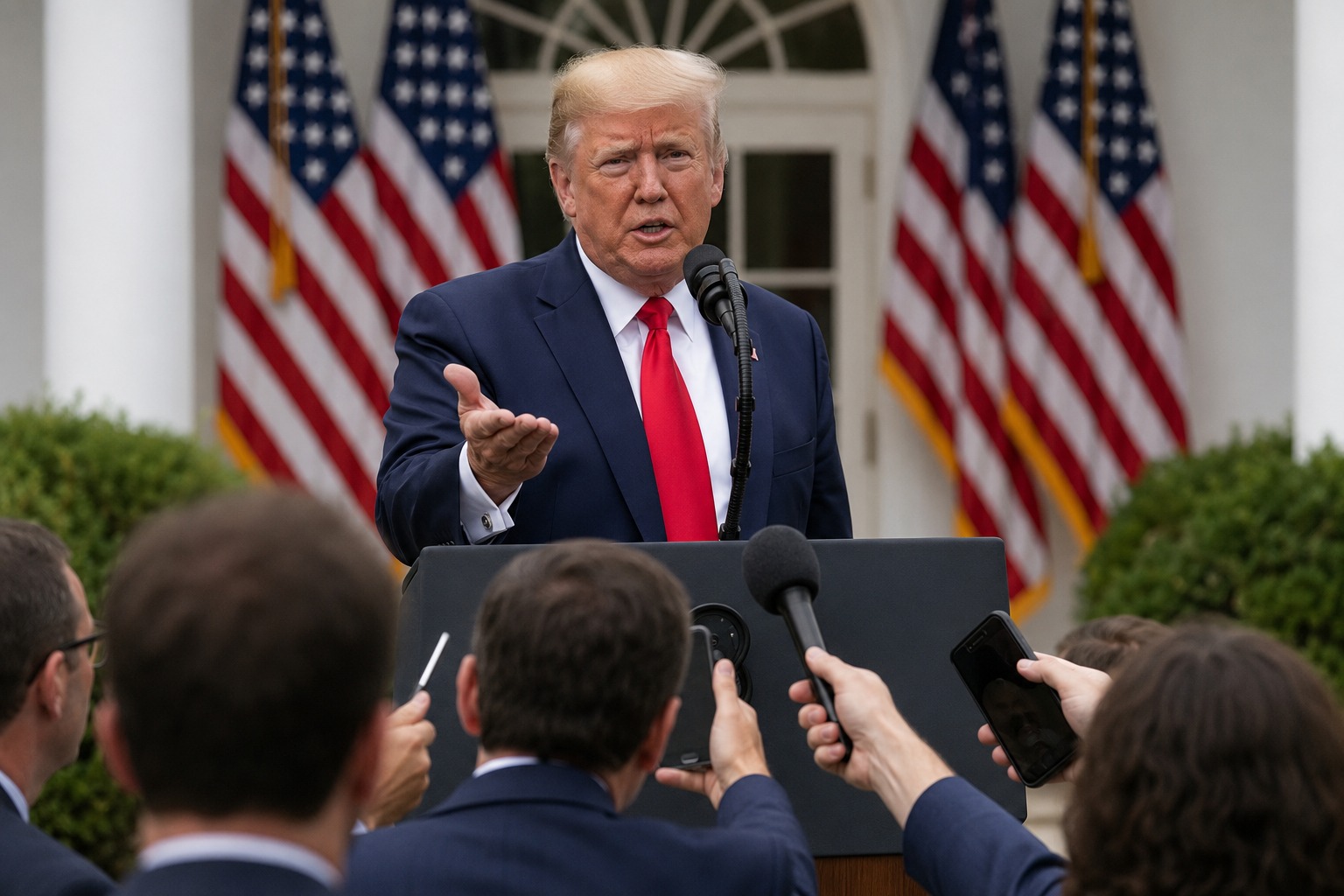
Few questions in American politics cut as deep, or divide as fast, as this one: should a sitting president be impeached? Raise the subject anywhere — a dinner table, a group chat, a comment section — and the room tends to split almost instantly. Today, that debate centers on President Donald Trump, and Americans are anything but united on the answer.
What Impeachment Actually Means
Impeachment is one of the most powerful tools the Constitution hands to Congress. It is not, by itself, a removal from office. The House of Representatives can vote to impeach a president — essentially bringing formal charges — with a simple majority. The Senate then holds a trial, and it takes a two-thirds vote there to actually remove the president from power. That high bar means impeachment has historically been far easier to start than to finish.
Three presidents have been impeached by the House in American history — Andrew Johnson, Bill Clinton, and Donald Trump, the last of whom was impeached twice during his first term. None were removed by the Senate. That track record shapes how both supporters and opponents view the process today.
The Case For
Those who support impeachment tend to frame it as a matter of accountability rather than politics. To them, the Founders built the mechanism precisely for moments when they believe a president has crossed a constitutional line. The argument is straightforward: the rule of law should apply to everyone, and the highest office in the country should not be an exception. Supporters see impeachment as the system working as designed — a check that keeps any president answerable to Congress and, ultimately, to the public.
The Case Against
Opponents see the same tool very differently. Many argue that impeachment has drifted from a rare, solemn remedy into a routine political weapon — a way to try to undo an election rather than address genuine wrongdoing. From this view, the proper place to judge a president is the ballot box, not a party-line vote in Congress. They warn that using impeachment too freely risks cheapening it, turning a constitutional safeguard into just another partisan fight.
A Country Without Much Middle Ground
What makes this debate so heated is that both sides believe the stakes could not be higher. One camp sees a threat to democratic accountability if a president is shielded from consequences. The other sees a threat to democratic will if lawmakers can overturn the choice of voters. With the country as polarized as it has been in a generation, there is little space left in the middle — and few minds that seem open to changing.
What This Means for Americans
For everyday Americans, the impeachment question is more than political theater. It touches on how much power Congress should have over the presidency, how elections are respected between voting cycles, and how the country handles disagreement at the very top. Where you land on it often reflects deeper beliefs about fairness, accountability, and how democracy is supposed to work. That is exactly why the question sparks such strong reactions — and why your voice on it matters.
So we want to hear from you, plainly and directly. No spin, no talking points — just your honest take. Do you support impeaching President Trump? Drop a YES or NO in the comments and tell us why.
Stay informed on the stories that matter most. Follow Palmedia News on Facebook and bookmark palmedianews.com for breaking news and analysis.