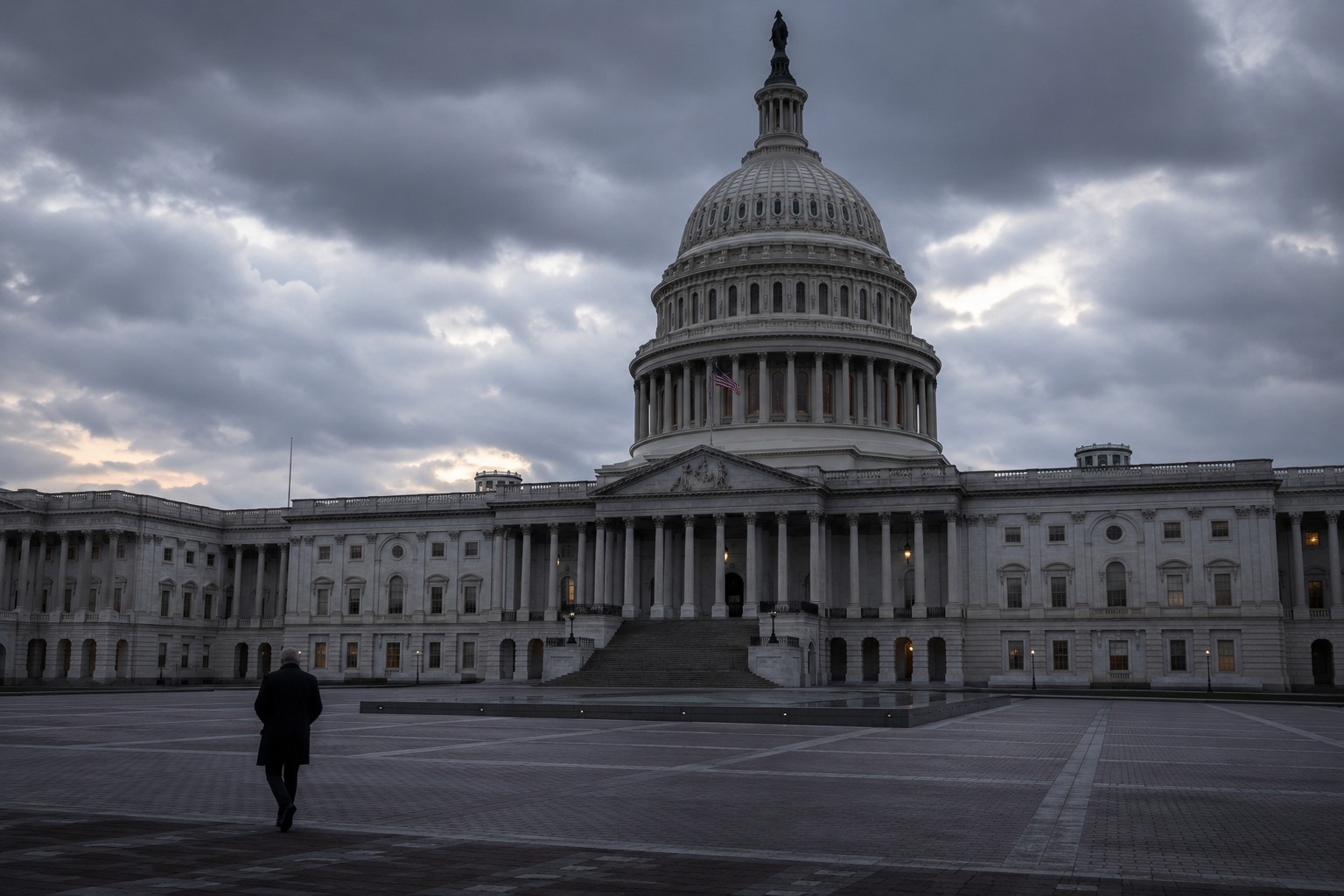
The American public’s faith in its own government has hit a historic floor. According to newly released polling, just 2 percent of Americans now say they trust the federal government to do what is right “just about always” — one of the lowest readings ever recorded since the question was first asked nearly seven decades ago.
Even when you add everyone who says they trust Washington “most of the time,” the combined total climbs to only about 17 percent. That is a staggering fall from where the country started. When pollsters first posed the question in 1958, roughly 73 percent of Americans expressed that level of trust. The decline since then has been long and uneven, but it has rarely looked as bleak as it does right now.
Decades In The Making
The erosion of public trust did not happen overnight. For more than 60 years, confidence in the federal government has trended downward through wars, recessions, scandals, and bitter partisan standoffs. Each major crisis — from Vietnam and Watergate to financial collapses and government shutdowns — chipped away at the public’s belief that Washington works for them.
What makes the latest numbers notable is not that trust is low. It has been low for years. It is that the bottom keeps dropping. The share of Americans who express the highest level of trust has shrunk to a sliver, and the broader measure of confidence is hovering near the lowest point pollsters have ever measured.
Distrust That Crosses Party Lines
One of the most striking findings is that the collapse in trust is not confined to one side of the aisle. It spans both parties — though it looks different depending on who is asked.
Among Democrats, faith in the federal government has fallen to just 9 percent, the lowest level ever recorded for the party. Among Republicans and Republican-leaning independents, roughly 26 percent say they trust Washington to do the right thing. The gap between the two reflects how trust often rises and falls with which party controls the levers of power — but the broader story is that majorities in both camps now express deep skepticism.
That shared disillusionment is rare in an era defined by political division. On few issues do Americans across the spectrum agree as clearly as they do on this one: confidence in the institutions that run the country is running on empty.
Younger Americans Are Even More Disillusioned
If the national numbers are grim, the picture among young people is even starker. A separate Harvard youth poll conducted this spring found that trust in the federal government among young Americans had dropped to around 15 percent — the lowest figure in the history of that long-running survey.
The finding matters because today’s young adults are tomorrow’s voters, workers, and civic leaders. A generation that comes of age viewing government as ineffective or untrustworthy may carry that skepticism with it for decades, shaping everything from voter turnout to public service careers to the basic willingness to believe official information.
What Is Driving The Freefall
Pollsters and analysts point to a familiar mix of causes: years of legislative gridlock, recurring political scandals, and the relentless partisan warfare that has come to define Washington. When government repeatedly stalls on major issues or lurches from crisis to crisis, the public takes notice — and confidence pays the price.
There is also the broader information environment. Americans now consume news through fractured channels, and trust in institutions of all kinds — media, business, and government alike — has been sliding for years. Government, as the most visible and consequential institution of all, often absorbs the brunt of that frustration.
What This Means For Americans
Trust in government is not an abstract statistic. It affects whether people follow public health guidance, comply with laws, show up to vote, and believe the basic facts their leaders present. When that trust drains away, the machinery of democracy gets harder to run — and the distance between citizens and the institutions meant to serve them grows wider. Whatever the cause, the message from the public is hard to miss.
Stay informed on the stories that matter most. Follow Palmedia News on Facebook and bookmark palmedianews.com for breaking news and analysis.