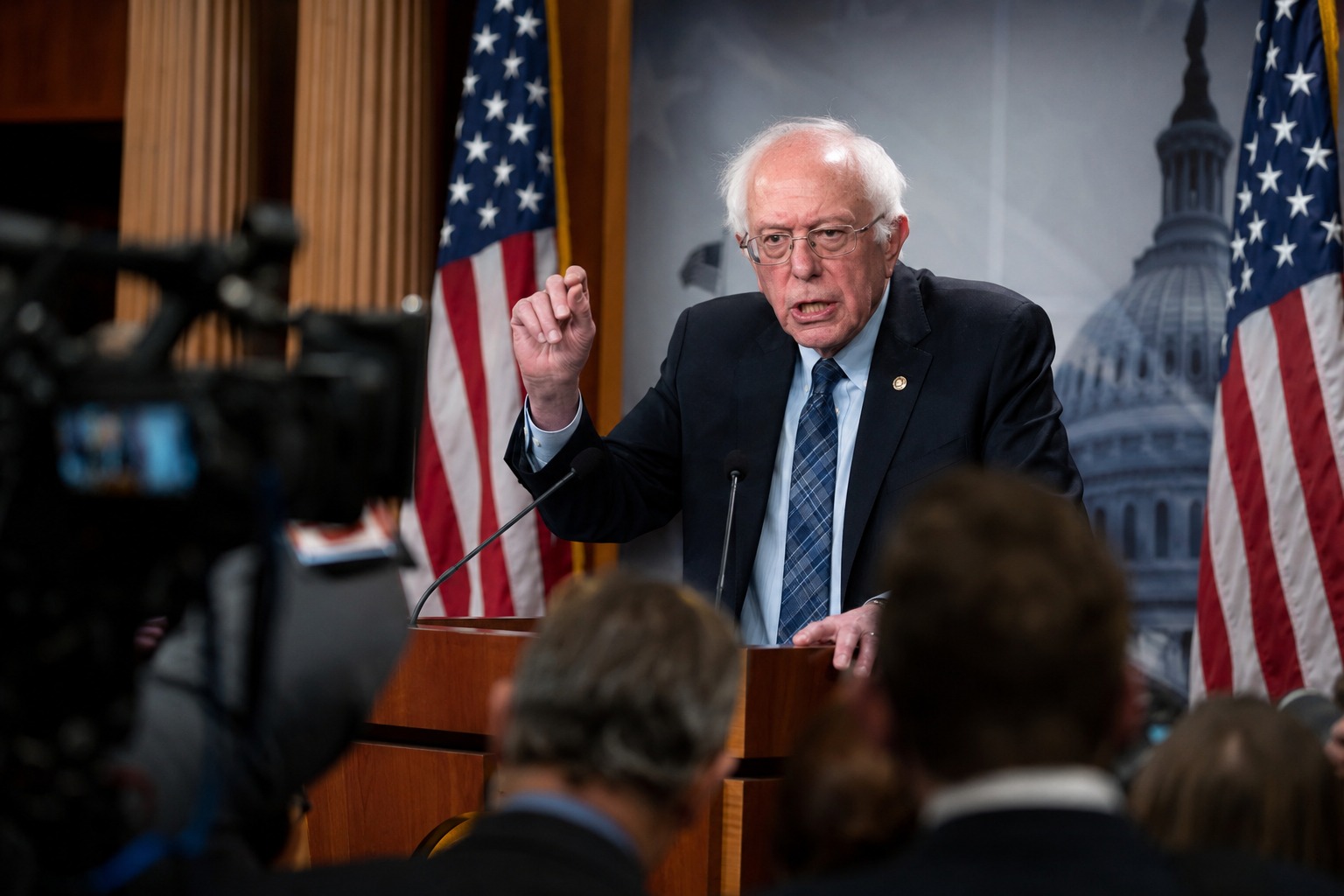
Senator Bernie Sanders has unveiled one of the most sweeping tax proposals in recent memory, taking direct aim at the wealthiest people in America. The bill, introduced alongside Representative Ro Khanna, is called the Make Billionaires Pay Their Fair Share Act, and it would impose a 5% annual tax on the net worth of every American billionaire while sending thousands of dollars in direct payments to working families.
What the Bill Would Do
At the center of the proposal is a 5% annual wealth tax targeting the roughly 938 billionaires in the United States, a group whose combined fortunes now total an estimated $8.2 trillion. Unlike the income tax, which applies only to money earned in a given year, this tax would apply to total accumulated wealth, meaning the richest Americans would pay a percentage of their entire net worth every single year.
The numbers involved are staggering. Under the framework, the wealthiest individuals in the country could owe billions of dollars annually. Sanders and Khanna estimate the tax could raise approximately $4.4 trillion over the next decade, money they say should be redirected toward the most pressing needs of ordinary Americans.
The $3,000 Direct Payment
The provision drawing the most attention is the direct cash component. In its first year, the bill would send a $3,000 payment to every man, woman, and child living in a household earning $150,000 or less. For a family of four that qualifies, the total would come to $12,000 in a single year.
Supporters frame the payments as a way to immediately put money in the pockets of families who have struggled with rising costs, while the long-term revenue would fund broader investments. The structure is designed to tie the fortunes of the ultra-wealthy directly to relief for everyone else.
The Debate
Backers of the plan argue that billionaire wealth has exploded in recent years while wages for working families have stagnated, and that taxing accumulated wealth rather than just income is the only way to close that widening gap. They contend the country can afford to invest in families when fortunes at the very top continue to climb.
Critics raise serious questions about whether a wealth tax can work in practice. They argue that valuing complex assets each year would be difficult to enforce, that the measure could face constitutional challenges, and that the wealthiest Americans might respond by moving assets or money out of the country. Even supporters acknowledge the bill faces a steep climb in Congress, and the wealth tax itself would not take effect until 2027 even if it passed.
What This Means for Americans
Whether or not the bill becomes law, it has reignited a national conversation about fairness, taxation, and how the country should respond to extreme concentrations of wealth. For millions of households under the $150,000 threshold, the proposal puts a concrete dollar figure on what direct relief could look like, and it forces a debate over who should bear the cost of funding it.
Stay informed on the stories that matter most. Follow Palmedia News on Facebook and bookmark palmedianews.com for breaking news and analysis.