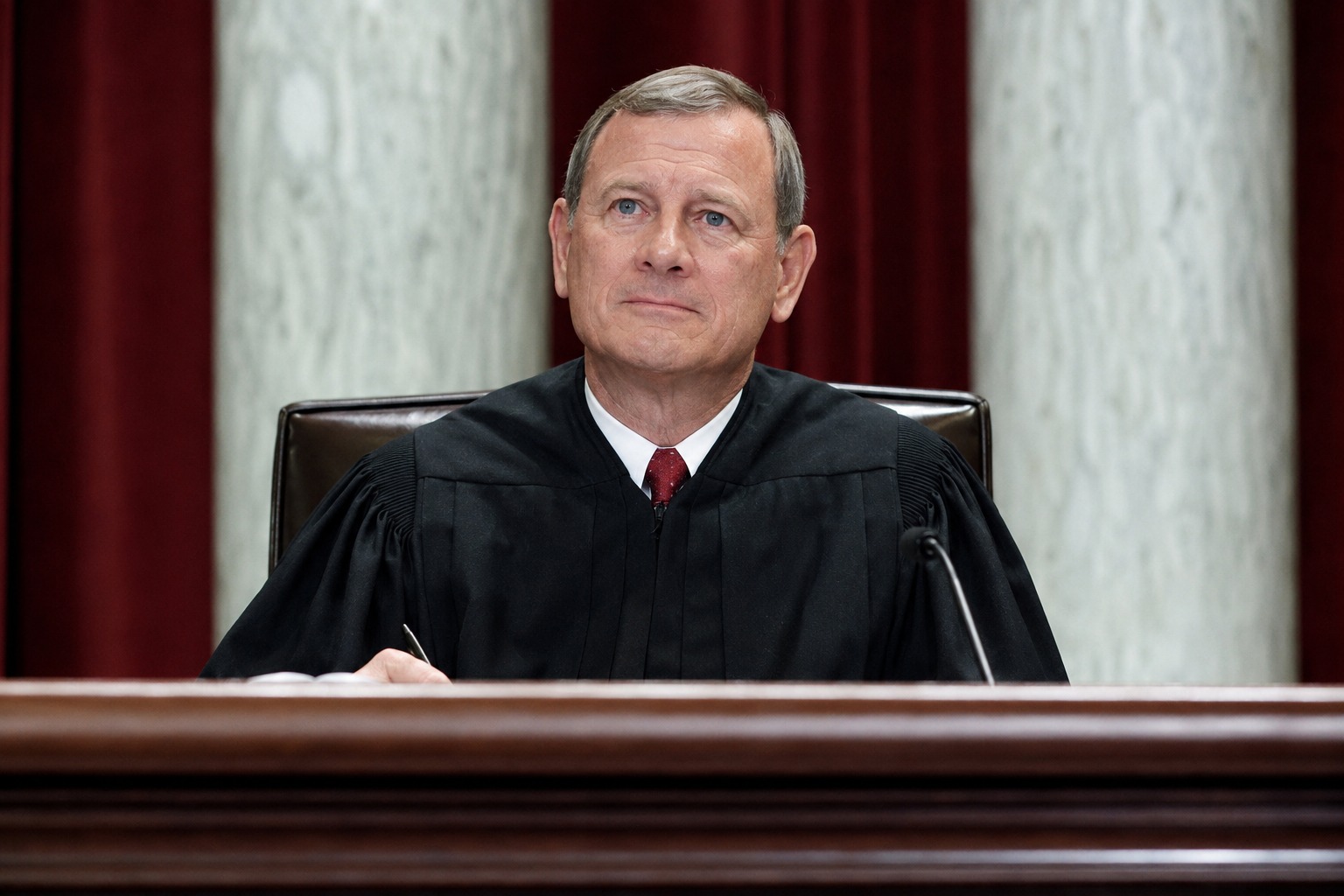
A sitting member of Congress has launched one of the rarest moves in American government: a formal effort to impeach the Chief Justice of the United States. Rep. Steve Cohen of Tennessee introduced six articles of impeachment against Chief Justice John Roberts, accusing him of presiding over a Supreme Court defined by “arbitrary, unexplained, and inconsistent decisions.” Filed as House Resolution 1309, the measure marks an extraordinary escalation in the long-running fight over the Court’s legitimacy.
Why This Is Almost Unheard Of
Impeaching a Supreme Court justice is one of the least-used powers in the Constitution. In more than two centuries, only a single justice has ever been impeached by the House — Samuel Chase, back in 1804 — and he was ultimately acquitted by the Senate. No justice has ever been removed from the bench. The Chief Justice, who leads the entire federal judiciary and presides over presidential impeachment trials, has never faced articles of impeachment at all. That history is exactly what makes Cohen’s resolution so striking.
The backlash against the high court has become a defining issue in American politics. Critics across the political spectrum argue the judiciary has grown more ideological and less accountable, and a growing movement has pushed for new ethics rules, financial disclosure requirements, and recusal standards. Cohen’s articles channel that frustration into the most aggressive instrument available to Congress.
The Trump Immunity Ruling at the Center
The most consequential of the six articles targets Roberts’ majority opinion in Trump v. United States — the decision that granted broad presidential immunity from criminal prosecution for official acts. Article IV argues that the ruling undermined the constitutional system of checks and balances by shielding the nation’s highest office from accountability. Supporters of the resolution contend the decision rewrote the balance of power between the branches; defenders of the Court counter that the justices were interpreting the Constitution as they understood it, and that disagreeing with a ruling is not grounds for removal.
That distinction sits at the heart of the entire debate. Impeachment is reserved for “high crimes and misdemeanors,” not unpopular legal opinions — and even many of Cohen’s allies acknowledge that a controversial ruling, on its own, is unlikely to clear that bar.
The Ethics Allegations
Beyond the immunity ruling, the resolution raises a set of ethics concerns that may resonate even more with the public. One article alleges that Roberts failed to step aside from cases involving law firms connected to his wife, Jane Sullivan Roberts, who has worked as a legal recruiter. According to the allegations, she was paid substantial sums by firms that had business before the Court, creating what the resolution describes as a glaring and unaddressed conflict of interest.
Questions about recusal and financial entanglements have dogged the Court for years, fueled by reporting on undisclosed gifts, luxury travel, and relationships between justices and wealthy donors. Cohen’s resolution folds those broader concerns into a direct accusation aimed squarely at the Court’s leader.
Reactions and the Road Ahead
The political reaction split immediately along familiar lines. Supporters frame the articles as a long-overdue demand for accountability at the highest level of the judiciary — a signal that no official, however powerful, is beyond scrutiny. Opponents dismiss the effort as a political stunt aimed at a justice whose rulings the sponsors simply oppose, warning that impeaching judges over disagreements would threaten judicial independence.
Practically speaking, the resolution faces nearly impossible odds. Impeachment requires a majority in the House and a two-thirds conviction vote in the Senate — a threshold that is out of reach in a closely divided Congress. Even supporters concede the measure is unlikely to advance. Its real significance lies in the statement it makes about how deeply the battle over the Court’s credibility has escalated.
What This Means for Americans
The Supreme Court shapes the rules that govern daily life — from the limits of presidential power to questions of ethics and accountability that touch every branch of government. A fight over the Chief Justice’s conduct is ultimately a fight over whether the public can trust that the people who interpret the law are themselves bound by it. However this resolution ends, the debate it represents is one that will continue to define American politics for years to come.
Stay informed on the stories that matter most. Follow Palmedia News on Facebook and bookmark palmedianews.com for breaking news and analysis.