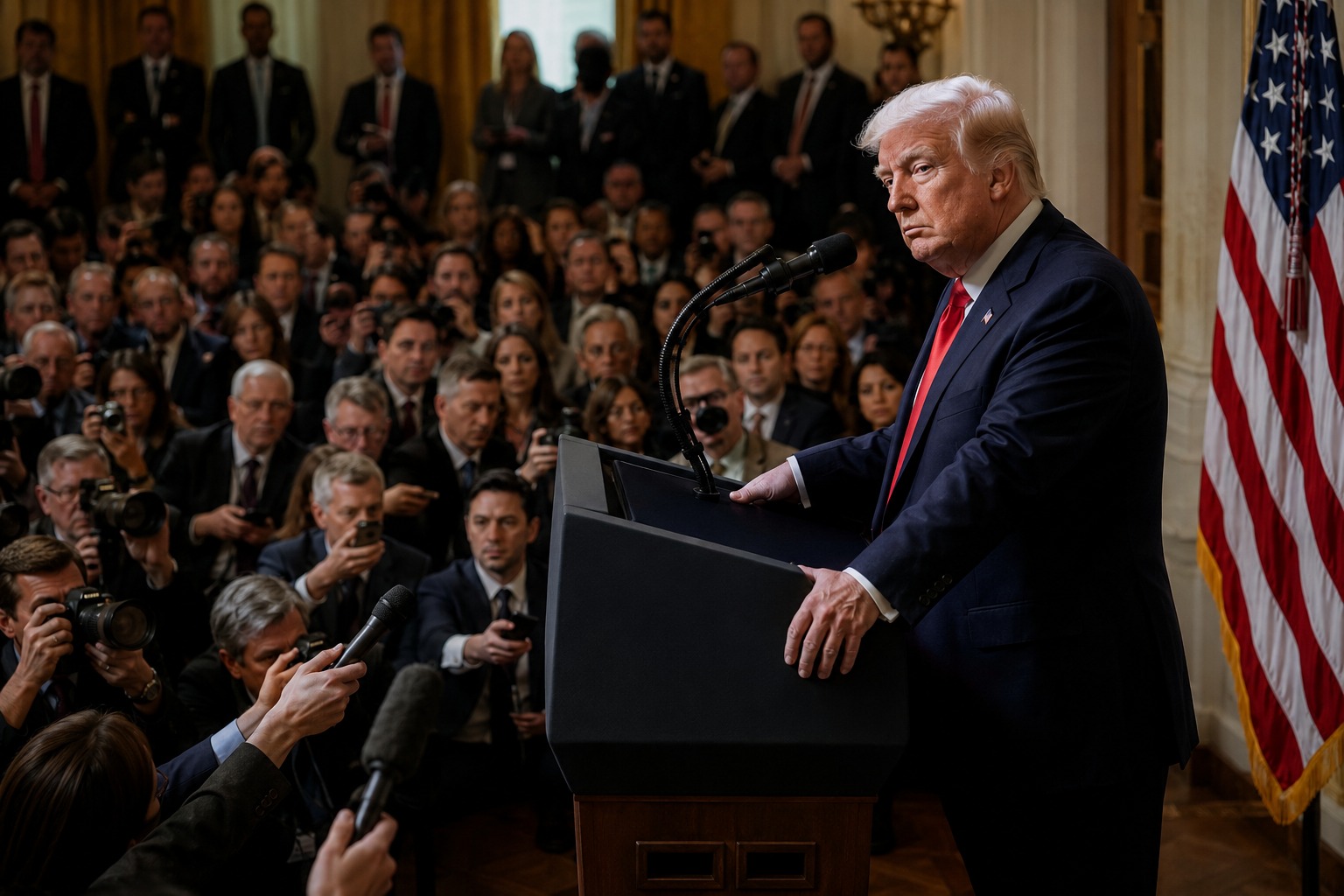
The effort to impeach President Donald Trump has moved well beyond a single resolution. Over the course of the 119th Congress, a series of impeachment measures has been introduced on the floor of the House of Representatives — each one carrying its own list of charges, and each one pointing toward the same dramatic conclusion: the removal of a sitting president from office.
The sheer volume of filings has turned what is normally a rare constitutional event into a recurring fixture of the legislative calendar. And now the question that lawmakers keep forcing back onto the floor is being put directly to the public: should the president be removed?
A Wave of Resolutions, Not a Single Charge
Impeachment is one of the most powerful tools the Constitution hands to Congress, and it is deliberately difficult to use. The House must approve articles of impeachment by a simple majority. Only then does the matter move to the Senate, where a two-thirds supermajority is required to convict and remove. That high bar is the reason most impeachment pushes never reach a final vote.
What makes the current moment unusual is not a single blockbuster article, but the steady drumbeat of them. Multiple resolutions have been introduced across this Congress, sponsored by different members and built around different sets of allegations. Some have been referred quietly to committee. Others have been forced to the floor, where House leadership has moved to set them aside before a full debate could take hold.
The Charges Lawmakers Have Raised
The accusations contained in the various filings span a wide range. Several center on allegations of obstruction of justice and abuse of presidential power. Others argue that the president overstepped the limits of his office — sidestepping Congress, ignoring or defying court rulings, or eroding the separation of powers that is supposed to keep any single branch of government in check.
Sponsors of the resolutions argue that the breadth of the accusations is itself the point. In their telling, the volume and variety of charges reflect a pattern of conduct serious enough to warrant the gravest remedy the Constitution provides. Critics counter that the filings are political theater — symbolic gestures that stand virtually no chance of clearing the Senate, where the votes to convict simply are not there.
Tabled, But Not Going Away
When impeachment measures have been forced to the floor, the response from leadership has been to table them — a procedural move that shelves the question without an up-or-down vote on the articles themselves. In several instances, key lawmakers have recorded their votes as “present” rather than a clear yes or no, signaling discomfort with both advancing the measures and being seen to kill them outright.
Yet the filings keep coming. Each new resolution resets the clock and puts the impeachment question back in front of the country, ensuring the debate never fully fades from public view even when leadership tries to move past it.
What This Means for Americans
For everyday Americans, the impeachment debate is more than a Washington spectacle. It touches on fundamental questions about accountability, the limits of presidential power, and how the country’s checks and balances are supposed to function. Whether the resolutions ever advance or not, the arguments being made on the House floor shape how voters think about the office of the presidency heading into a contentious election season.
It is also a reminder that impeachment, for all its constitutional weight, is ultimately a political process — one decided by the people’s representatives, and influenced by the people who elect them. That is why the question is now being asked directly of the public.
Stay informed on the stories that matter most. Follow Palmedia News on Facebook and bookmark palmedianews.com for breaking news and analysis.