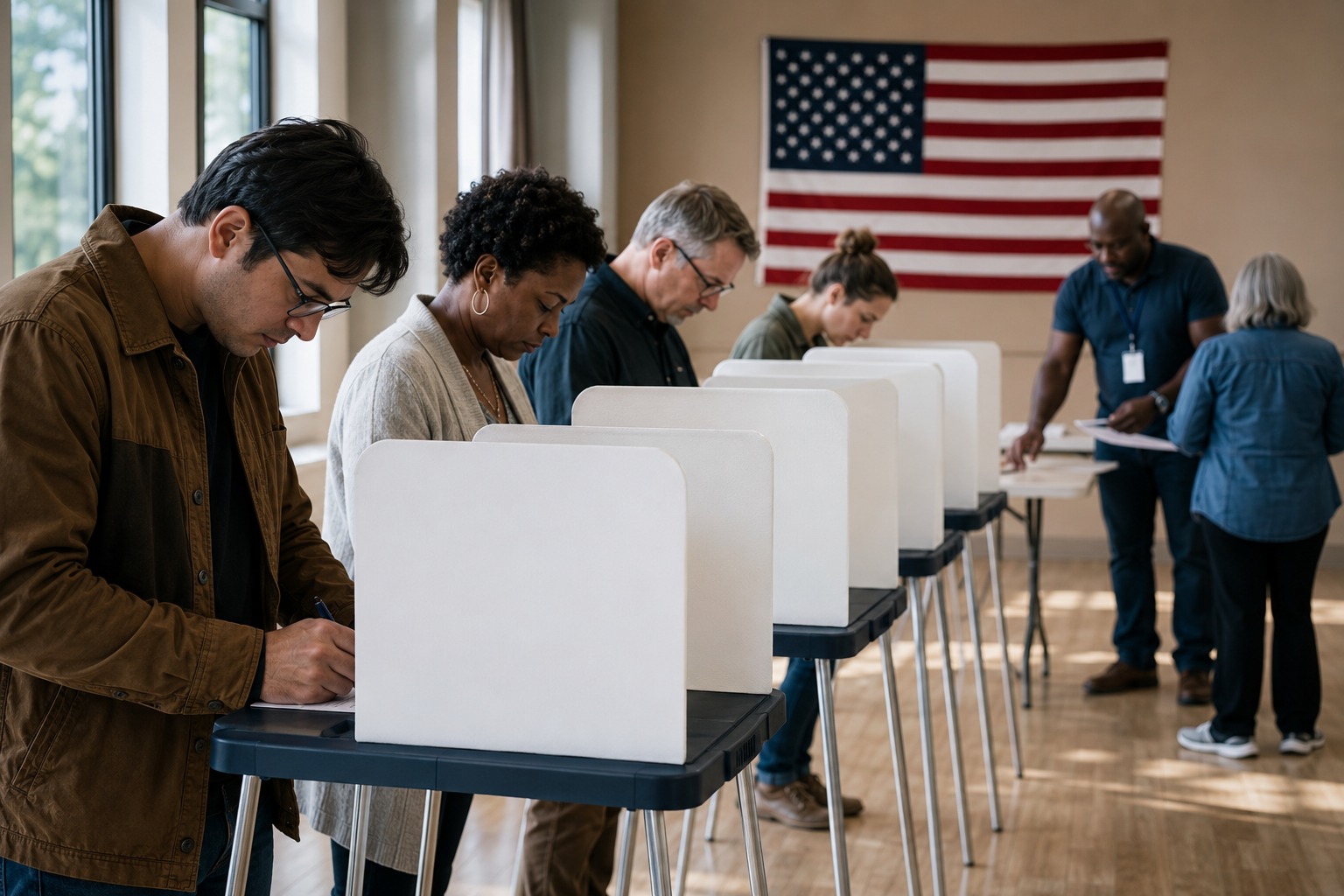
A new national poll has landed five months out from the 2026 midterm elections, and it is reshaping the conversation in Washington. Democrats now hold a 5-point lead over Republicans on the generic congressional ballot — the bellwether question that asks voters which party they would like to see controlling Congress after November.
The survey found 49% of registered voters favoring Democratic control of Congress, compared with 44% who back Republicans. Several other independent polls released in the same window landed in a similar range, with at least one measuring the Democratic advantage at as much as 6 points. Taken together, the numbers point to a clear, if early, edge for one side as the campaign season heats up.
Why the Generic Ballot Matters
The generic congressional ballot is one of the most closely watched indicators in American politics because it strips away individual candidates and asks a simpler question: which party do you want in charge? Historically, it has been a useful — though imperfect — predictor of which way the House of Representatives may swing. A consistent multi-point lead for one party in the months before an election often signals momentum, energized voters, and a favorable national environment.
Midterm elections are also traditionally difficult for the party that controls the White House. The sitting president’s party has lost House seats in the vast majority of midterms over the past century, as voters use the election to register frustration or push back against the party in power. That historical pattern is part of why these early numbers are drawing so much attention.
The Economy Is Driving the Numbers
Pollsters point to the economy as the single biggest force behind the current standings. Voters gave sour marks on inflation, the rising cost of everyday living, and the overall direction of the country. That economic pessimism tends to land hardest on whoever holds power, and right now both the sitting president and Congress are carrying negative approval ratings heading into the fall.
When households feel squeezed at the grocery store, the gas pump, and on their monthly bills, that frustration frequently shows up in the ballot test. The data suggests that economic anxiety — more than any single policy fight — is shaping how voters are leaning five months out.
A Lead in June Is Not a Win in November
For all the headlines, pollsters are quick to attach a giant asterisk to these findings. A lead in June is not the same as a victory in November. Midterm turnout is notoriously unpredictable, and the people who actually show up to vote can look very different from the broad pool of registered voters surveyed today.
There is also the matter of the map. National polling averages can mask the reality that House control is decided district by district, where boundary lines, local candidates, and regional issues often matter more than the national mood. A party can lead the generic ballot and still fall short of a majority if its support is concentrated in the wrong places. And five months is an eternity in politics — economic conditions can shift, new issues can dominate the headlines, and leads have a way of evaporating before Election Day.
What Both Parties Are Watching
Strategists on both sides will be studying not just the topline number but the intensity behind it. Which voters say they are most motivated to turn out? How do independents break? Are the people unhappy with the economy planning to actually vote, or simply venting to a pollster? Those questions will determine whether today’s 5-point edge holds, grows, or fades.
One thing both parties agree on: the fight for Congress is wide open, and the stakes are enormous. Control of the House and Senate shapes everything from the federal budget to oversight power, and both sides are preparing to pour record sums into the race.
What This Means for Americans
For everyday voters, the takeaway is simple: their decision in November will help decide which party sets the agenda in Washington for the next two years. The issues topping their minds today — the cost of living, the health of the economy, and the overall direction of the country — are exactly the ones that will be litigated on the campaign trail. Whatever the polls say now, the outcome will rest on who shows up.
Stay informed on the stories that matter most. Follow Palmedia News on Facebook and bookmark palmedianews.com for breaking news and analysis.