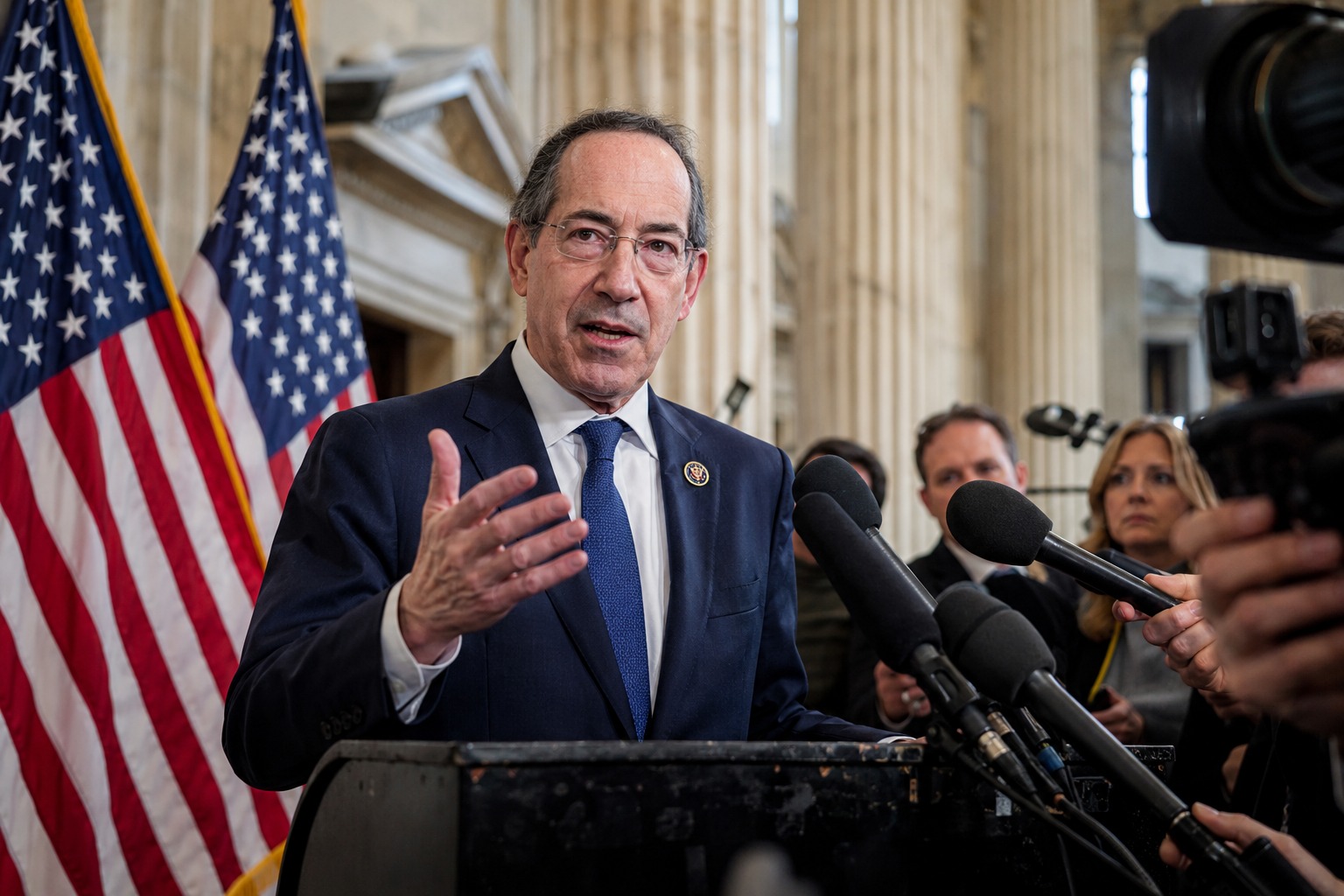
Rep. Jamie Raskin has introduced legislation that would force any president to tell Congress about every dollar or financial benefit they receive from a person they pardon. The bill targets one of the least-checked powers in American government — the presidential pardon — and tries to bolt a disclosure requirement onto it for the first time.
What the Bill Would Do
Under the proposal, a president who grants clemency would have to report to Congress any money, gift, or financial benefit they received from that individual — whether the payment came before the pardon or after it. The goal is simple: create a paper trail where, today, there is none.
Raskin, the top Democrat on the House Judiciary Committee, has framed the measure as a straightforward accountability tool rather than an attempt to strip the president of the pardon power itself. The pardon authority is written directly into the Constitution and is one of the few executive powers that faces almost no formal oversight. A president can grant clemency to almost anyone, for almost any reason, and is not currently required to explain or disclose what — if anything — they got in return.
Why It Matters
The pardon power has long been a flashpoint precisely because it is so unconstrained. Presidents of both parties have faced criticism over controversial pardons, and the question of whether a pardon was influenced by money, favors, or personal connections has surfaced repeatedly across administrations.
The bill is part of a broader anti-corruption package Raskin has been pushing this year, aimed at putting new financial-transparency checks on the White House. Supporters of that effort argue that disclosure is the bare minimum a democracy should expect when the stakes — clearing someone of federal crimes — are this high.
The Debate
Supporters say sunlight is the entire point: if a pardon is clean, disclosure costs the president nothing. Requiring a report, they argue, simply lets the public judge for itself whether clemency was earned or bought.
Critics counter that the measure reaches into a power the Constitution hands to the president alone, and warn it could become a political weapon — a way for an opposing Congress to harass a sitting president over routine clemency decisions. There are also open questions about how such a disclosure rule would be enforced and what would happen if a president simply ignored it.
Like most bills introduced in a divided Washington, its path is uncertain. Whether it gets a committee hearing or a floor vote in the current House is far from guaranteed, and any disclosure requirement aimed at the president would likely face a constitutional challenge.
What This Means for Americans
For everyday Americans, the fight is less about one bill and more about a basic question of trust: should the public be able to see whether a president personally benefited from the people they let off the hook? Even if this specific legislation stalls, it puts that question squarely on the table — and forces a debate about how much transparency the most powerful office in the country should owe the people it serves.
Stay informed on the stories that matter most. Follow Palmedia News on Facebook and bookmark palmedianews.com for breaking news and analysis.