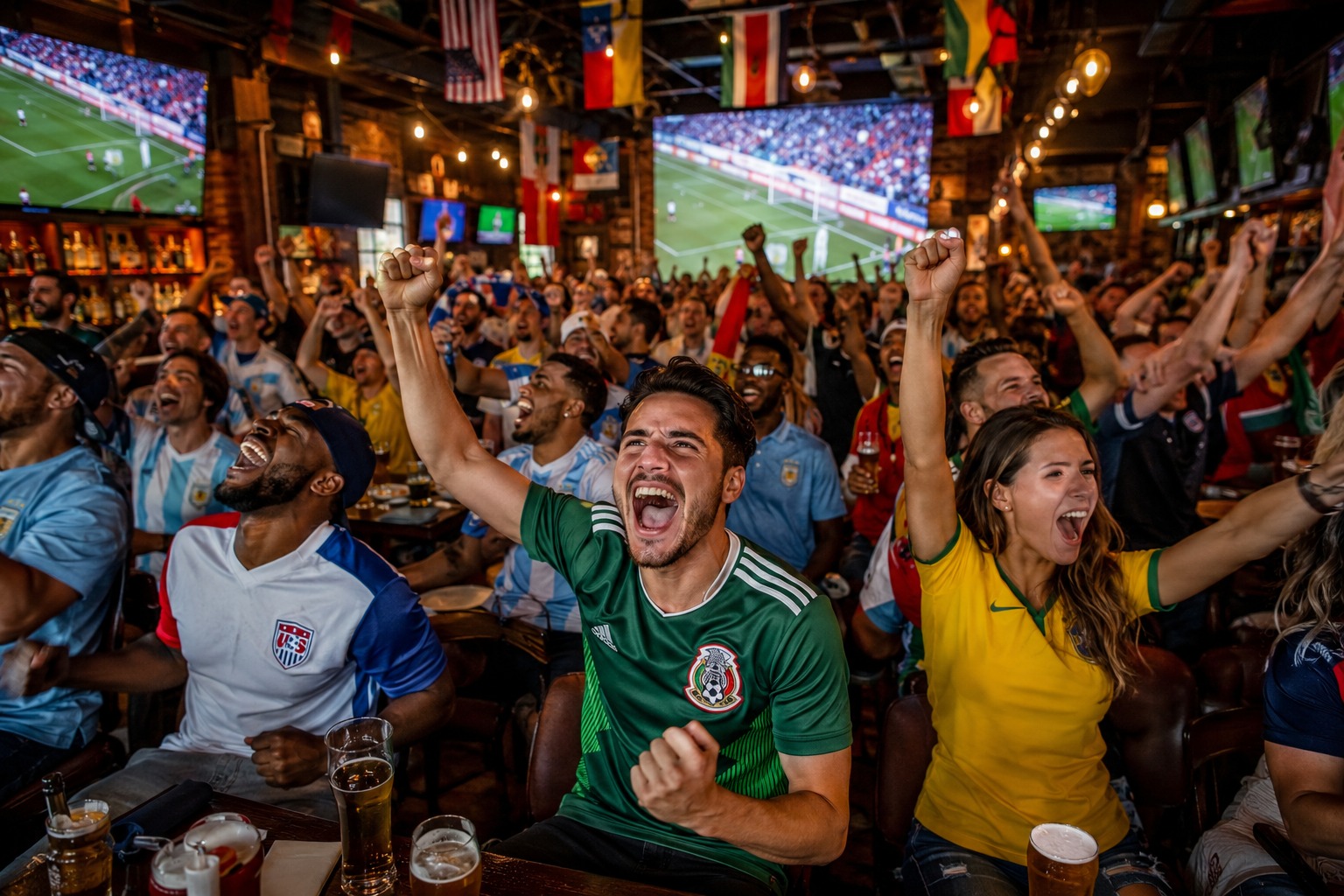
The United States is about to host the largest World Cup in history, and a new poll suggests a huge share of the country is greeting the moment with a collective shrug. According to a fresh Emerson College survey, nearly half of Americans say they simply do not care about the 2026 tournament — even as it lands on home soil for the first time in a generation.
The poll, conducted June 7 and 8 among 1,200 respondents, found that 45% of Americans have no interest in the World Cup. Only about one in five described themselves as very interested, while roughly a third said they had some interest. For an event being staged across American cities, those numbers are striking.
A Tournament Coming Home — To a Divided Audience
The 2026 World Cup is being co-hosted by the United States, Canada, and Mexico, with the U.S. carrying the bulk of the load: 104 matches are scheduled across the expanded 48-team field, far more games than any previous edition. Organizers have long argued that hosting duties would supercharge American interest in soccer, the way the 1994 World Cup helped lay the groundwork for Major League Soccer.
But enthusiasm in the U.S. has always run hot and cold. Soccer commands passionate, loyal communities — immigrant families, younger fans, and dedicated supporters’ clubs — while large swaths of the traditional American sports audience remain tuned to football, basketball, and baseball. The new polling captures that split in real time.
The Generational and Demographic Divide
The clearest fault line is age. Just 10% of Americans 70 and older said they were very interested in the tournament, compared with 43% of people in their thirties. Younger adults are far more locked in, reflecting a generation that grew up watching the Premier League, La Liga, and international stars on streaming platforms. Older Americans, by and large, are tuning out.
There is a sharp divide by background as well. Around 63% of Black respondents and 60% of Hispanic respondents said they planned to watch the tournament closely. Only 35% of White respondents said the same. In other words, soccer’s American audience looks meaningfully different from the country as a whole — a reflection of the global reach of the sport and the diverse communities that have carried it in the U.S. for decades.
What the Organizers Are Betting On
Tournament organizers are not panicking over the numbers. Their wager is a familiar one: that indifference melts away once the games begin. Host nations almost always see interest spike when their own team takes the field, and the spectacle of packed stadiums, dramatic finishes, and a summer-long event tends to pull in casual viewers who swore they wouldn’t watch.
Skeptics counter that polls like this one expose a hard ceiling on American soccer enthusiasm — that the sport, for all its growth, still struggles to crack the country’s crowded sports calendar. The truth will be measured in television ratings, ticket sales, and the roar (or quiet) of living rooms across the country once the ball starts rolling.
What This Means for Americans
For everyday Americans, the World Cup arriving in their backyard means more than a sporting event. Host cities are preparing for an influx of visitors, local economies are bracing for a tourism surge, and millions of fans will have a chance to see the world’s best players in person without crossing an ocean. Whether half the country tunes in or tunes out, the tournament will be impossible to ignore as it rolls through American stadiums all summer.
Stay informed on the stories that matter most. Follow Palmedia News on Facebook and bookmark palmedianews.com for breaking news and analysis.