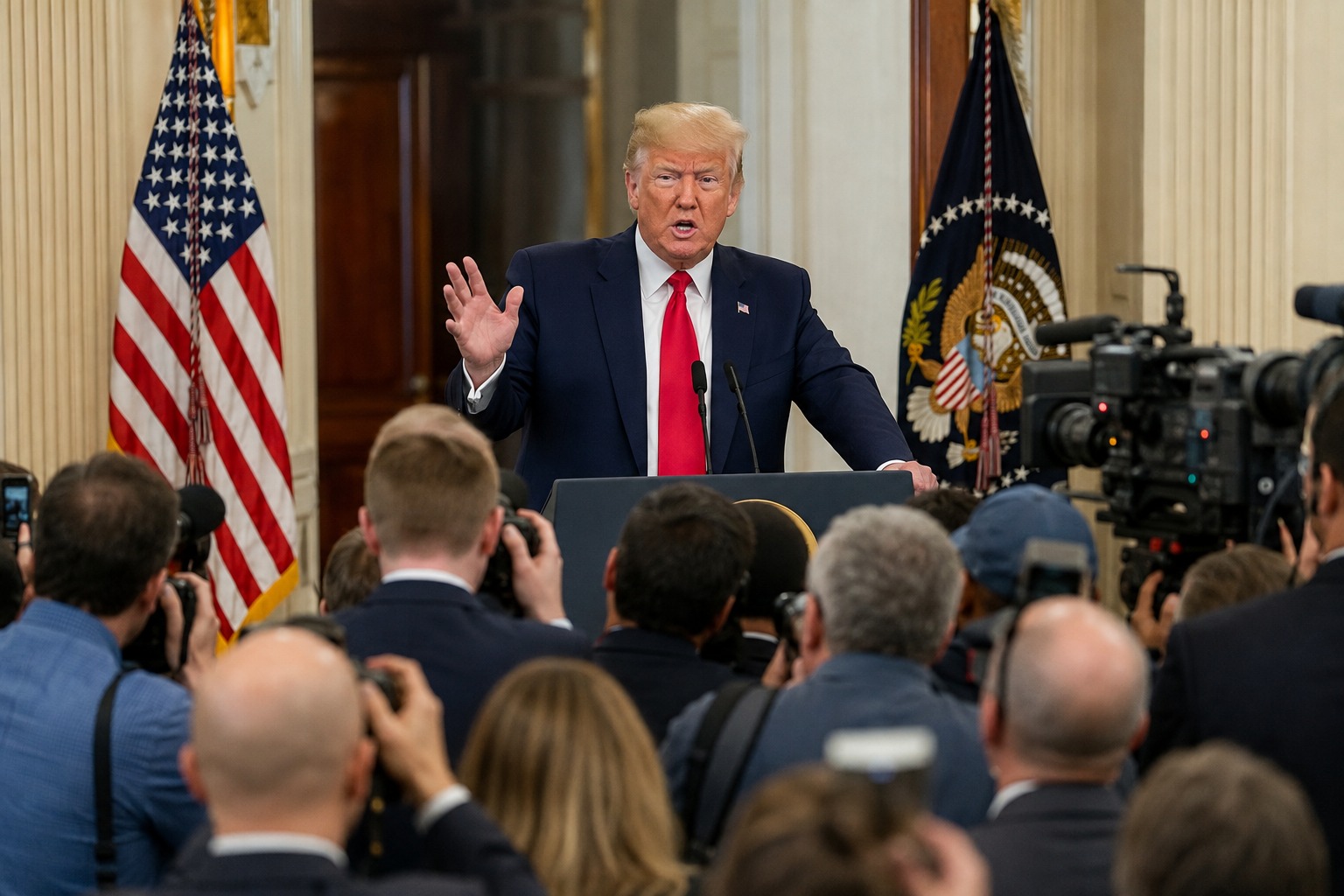
President Donald Trump announced Friday that the United States will pause higher tariffs on imported ground beef for 90 days, a move aimed squarely at bringing down one of the most painful prices at the American grocery store. Under the plan, up to 300,000 metric tons of ground beef can enter the country without the higher out-of-quota tariff rate.
Trump announced the decision in a post on Truth Social, saying the administration secured “a commitment that this beef will be sold at 25 percent below current market prices.”
Why Beef Prices Got Here
Beef has been one of the sharpest pain points in the American grocery budget. Prices have climbed while the national cattle herd has shrunk, and the two are directly connected: fewer cattle means less supply moving through packing plants, and less supply means higher prices at the meat case.
Trump said beef prices “soared at their fastest rate and the American beef herd fell to its smallest size in modern history” under the previous administration. Rebuilding a cattle herd is not a quick fix. It takes years, because ranchers have to hold back breeding stock instead of selling it, which tightens supply even further in the short term before it loosens later.
What the Tariff Pause Actually Does
The mechanism here is the out-of-quota tariff. Countries can ship a set volume of beef into the United States at a low rate. Once shipments pass that threshold, the higher out-of-quota rate kicks in, and that extra cost gets passed along the supply chain.
By waiving that higher rate on up to 300,000 metric tons, the administration is making it substantially cheaper for importers to bring in additional ground beef beyond the normal quota. The pause runs 90 days, which puts the cheaper product on shelves heading into the fall.
Trump framed the step as temporary relief, not a permanent policy shift, saying the administration is acting “as we work to rebuild this herd and help our ranchers.”
The Open Question: Does It Reach the Shelf?
The headline number is the 25 percent discount. That is the part shoppers will actually notice, or not.
A commitment to sell below market price still has to survive the trip from the port to the packing facility to the distributor to the retailer. Each of those steps has its own costs and its own margins. The announcement does not spell out an enforcement mechanism that guarantees the discount appears on the shelf tag rather than being absorbed somewhere in between.
There is also the question of what happens on day 91. A 90-day pause is a short window. If the underlying supply problem is the size of the cattle herd, and rebuilding that herd takes years, then the pause buys temporary relief without resolving the cause.
What This Means for Americans
For most households, this comes down to a single line on the receipt. Ground beef is a staple item, showing up in everything from weeknight dinners to backyard grilling, and it is one of the prices people track without even trying. If the promised discount materializes, families could see meaningful savings on a regular purchase over the next three months.
If it does not materialize, shoppers will have watched a high-profile announcement land with no visible change at the register. Either way, the next 90 days will be measured one package at a time, in stores across the country.
Stay informed on the stories that matter most. Follow Palmedia News on Facebook and bookmark palmedianews.com for breaking news and analysis.