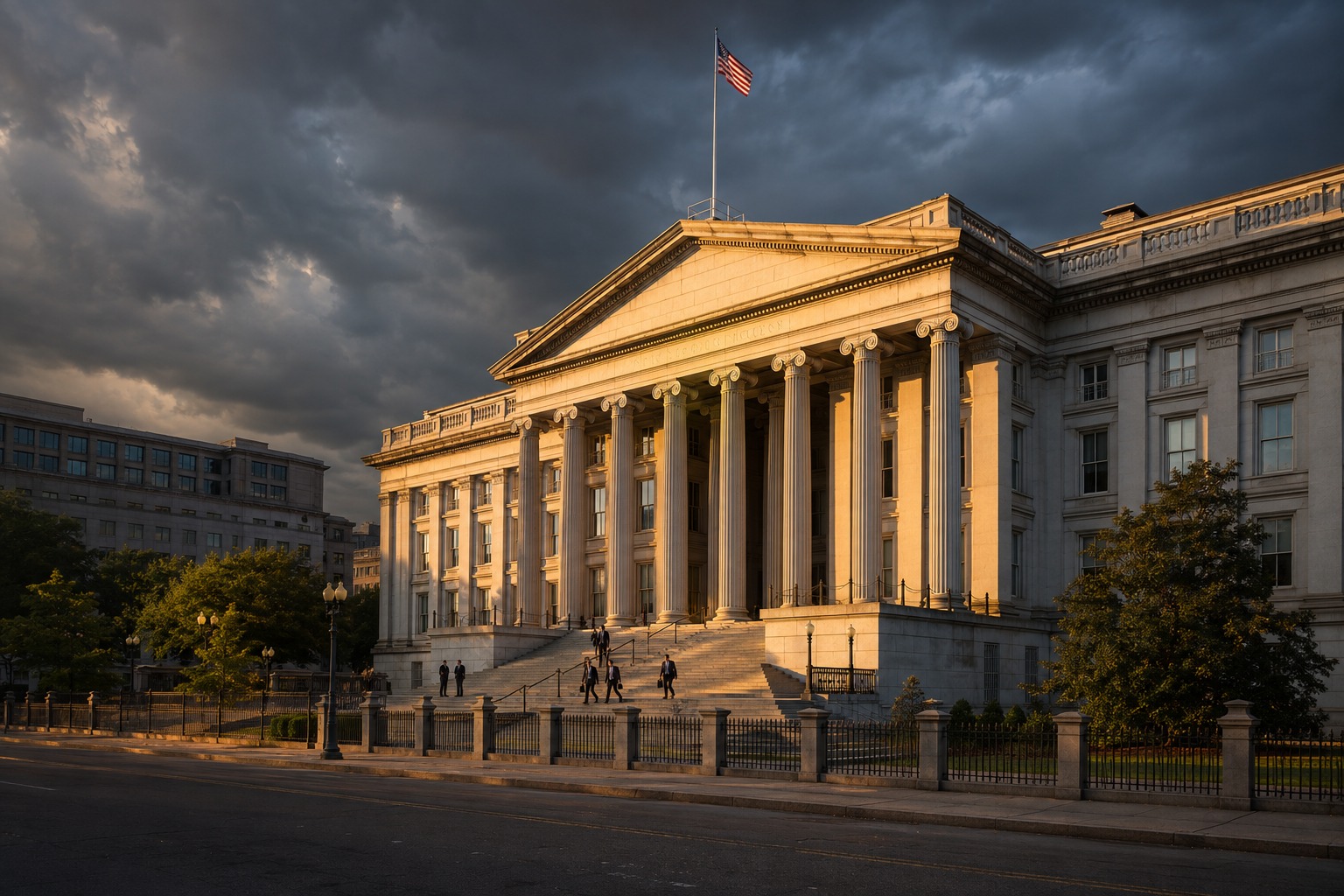
The federal debt of the United States crossed $40 trillion this week, according to the Treasury Department’s daily financial update. It is the highest figure ever recorded, and it arrived months earlier than budget forecasters had projected.
The milestone is striking on its own. What sits underneath it is arguably more consequential: the government is now spending more than a trillion dollars a year simply to pay interest on money it has already borrowed.
How Fast The Debt Is Growing
Five months ago, the total stood at $39 trillion. Adding a full trillion dollars in under half a year has become routine rather than remarkable. For perspective, it took the country close to two centuries to accumulate its first trillion dollars of debt. It now adds that much in less than five months.
The Congressional Budget Office had projected the debt would reach roughly $39.4 trillion by the end of the 2026 fiscal year. The actual number blew past that estimate well ahead of schedule, which is part of why this particular milestone drew attention from analysts who normally treat these round numbers as symbolic.
The Interest Bill Is Now The Real Story
Interest has quietly become the second-largest expense in the entire federal budget, trailing only Social Security. Net interest on the public debt totaled roughly $963 billion between October and July — about $3.18 billion every day.
That figure grew by roughly 14 percent compared with the same period a year earlier. Two forces are driving it at once: the pile of debt keeps getting larger, and investors are demanding higher rates to keep lending. Every dollar spent on interest is a dollar unavailable for defense, infrastructure, healthcare, or tax relief — and unlike most line items, it cannot be negotiated down in an appropriations bill.
Why The Gap Keeps Widening
Federal spending is currently outrunning revenue by more than $2 trillion a year. Revenues have grown about 3 percent this fiscal year, but spending has grown faster.
The deficit widened further after the Supreme Court struck down many of the administration’s tariffs, forcing the Treasury to refund more than $100 billion in import taxes that had been collected unlawfully. That single reversal erased a revenue stream the administration had counted on, and it is a significant reason the $40 trillion mark arrived ahead of forecasts.
Wall Street Is Already Reacting
Bond markets have taken notice. The yield on 30-year Treasuries hit a 19-year high this week as investors priced in the risk of financing an ever-larger government. Because long-term Treasury yields anchor much of the broader credit market, that pressure does not stay in Washington.
The average rate on a 30-year fixed mortgage climbed back toward 6.7 percent. Auto loans, credit cards, and business borrowing tend to follow the same path. In practical terms, the government’s borrowing costs and the household’s borrowing costs move together.
The Political Fight
The White House pointed the finger backward. “President Trump pledged to clean up Joe Biden’s fiscal mismanagement,” spokesman Kush Desai said, describing an effort focused on cutting waste, fraud, and abuse while accelerating economic growth to improve the debt-to-GDP ratio.
Critics point at the scoreboard instead. The debt-to-GDP ratio has worsened, not improved, since the president returned to office. “Our current fiscal trajectory is plainly unsustainable, and that’s the best-case scenario,” said Margaret Spellings of the Bipartisan Policy Center. “Even in the rosiest scenarios, we’re speeding toward a cliff and refusing to turn the wheel.”
Carolyn Bourdeaux of Concord Action spread the blame across both ends of Pennsylvania Avenue. “$40 trillion should be a wake up call,” she said. “But neither Congress nor the president have a credible plan to stop it from growing.” So far, neither party has put forward a proposal that meaningfully bends the curve.
What This Means For Americans
For most households, the $40 trillion figure is too large to picture. The effects are not. Higher Treasury yields translate into higher mortgage rates, pricier car loans, and steeper credit card balances. A growing interest bill also squeezes the federal budget from the inside, making future spending decisions harder regardless of which party holds power. The debt is no longer an abstraction argued about in Washington — it shows up in the cost of borrowing at the kitchen table.
Stay informed on the stories that matter most. Follow Palmedia News on Facebook and bookmark palmedianews.com for breaking news and analysis.