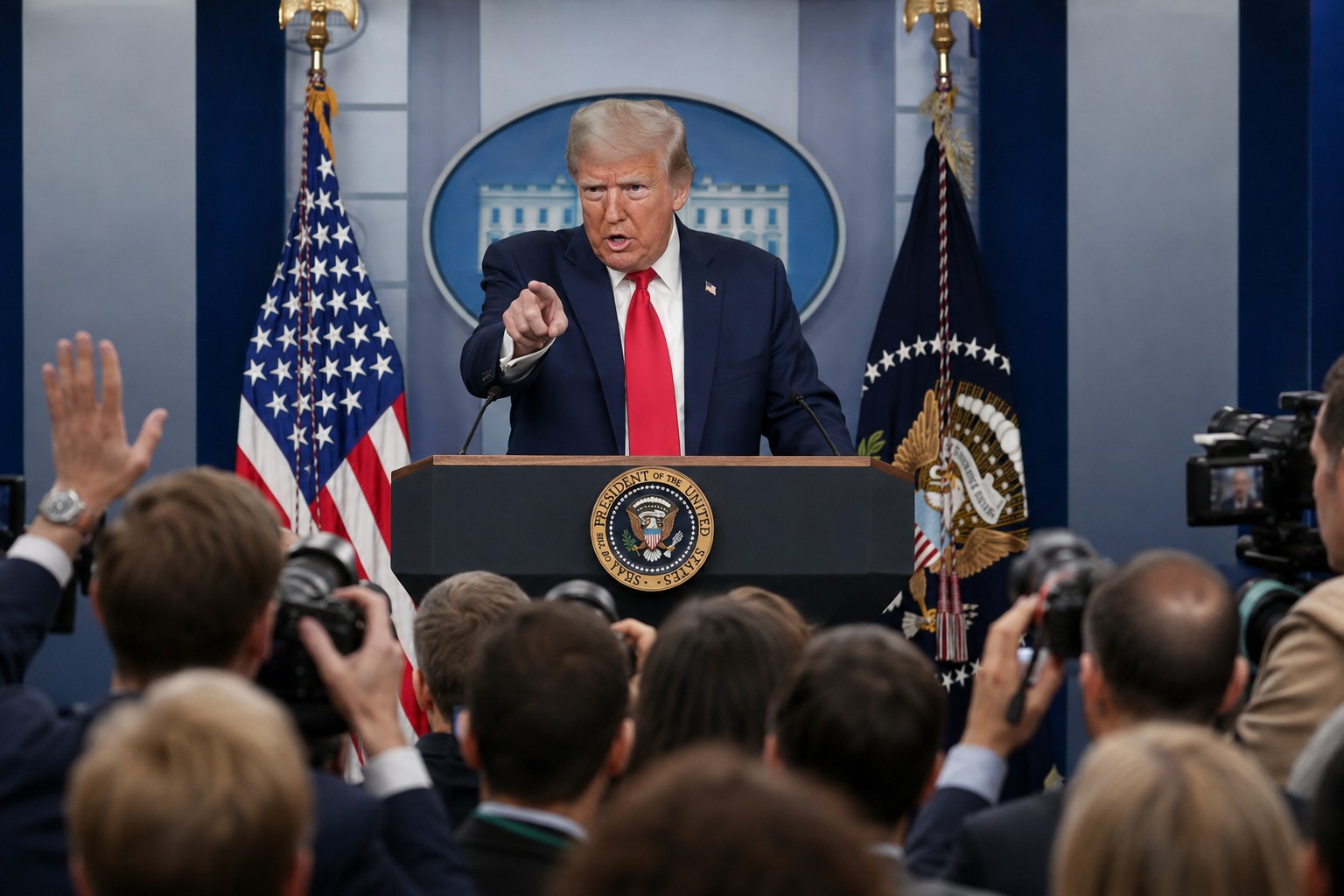
ABC and its parent company Disney sued the Federal Communications Commission in federal court in Washington, D.C. on Tuesday, accusing the Trump administration of running a retaliatory campaign against the network because it disapproves of what ABC puts on the air. The suit asks a judge to stop an FCC proceeding that would force ABC to put its eight owned television stations up for early license renewal.
What the Lawsuit Claims
The complaint is unusually direct for a filing of this kind. It argues that the administration, acting through the FCC and its chairman Brendan Carr, singled out ABC for one reason: the government does not like the network’s programming. That framing matters legally, because the First Amendment sharply limits the ability of a federal agency to punish a broadcaster over the content of its speech.
ABC is asking the court for a temporary restraining order and a preliminary injunction. Both are emergency measures. They would freeze the FCC proceeding while the underlying constitutional question is litigated, rather than letting the license review advance and potentially force the network into concessions before a judge ever rules.
The License Renewal Fight
At the center of the dispute is the FCC’s demand that ABC submit its eight owned-and-operated stations for license renewal years ahead of the normal schedule. Broadcast licenses are the legal permission slips that let a station transmit over public airwaves, and they are ordinarily renewed on a fixed multi-year cycle with little drama.
Pulling that process forward changes the stakes. A renewal proceeding gives the commission a formal opening to examine whether a station is serving the public interest, and it invites outside challenges to the license itself. For a network that owns stations in major markets, an early review is not a routine filing. It is leverage.
Trump’s Posts Are Part of the Record
The lawsuit leans heavily on the president’s own public statements. It cites Trump’s social media posts attacking ABC News, the daytime talk show The View, and late-night host Jimmy Kimmel, who has repeatedly mocked him. ABC’s lawyers argue those posts are evidence that the license review was driven by displeasure with the network’s journalism and comedy, not by any regulatory shortcoming.
That is the crux of the case. Courts generally give agencies wide latitude to regulate. They give far less latitude when there is a documented trail suggesting a decision was made because a government official objected to protected speech.
The FCC Pushes Back
The commission is not retreating. A spokesperson responded that every broadcaster carries a legal obligation to operate in the public interest, and that the obligation applies to Disney like anyone else. Supporters of the agency make a similar argument: the airwaves are a public resource, licenses come with conditions, and reviewing them is exactly what the FCC exists to do.
Critics see something different. They argue that a federal agency putting a network’s licenses on the table shortly after the president publicly attacked that network’s programming is precisely the scenario the First Amendment was written to prevent. The disagreement is not really about whether the FCC can review licenses. It is about why this review is happening now.
What This Means for Americans
Most people will never file anything with the FCC, but this case touches what shows up on the screen. If a network can lose its licenses over coverage a sitting administration dislikes, newsrooms and comedy writers have a reason to pull punches long before any regulator acts. If instead the government can never scrutinize a broadcaster that holds a public license, oversight of the airwaves weakens. A judge in Washington is now being asked to draw that line, and whichever way it falls, the ruling will shape how freely American television can criticize the people in power.
Stay Informed
Stay informed on the stories that matter most. Follow Palmedia News on Facebook and bookmark palmedianews.com for breaking news and analysis.